Throughout our stay in Dubrovnik, we told locals our onward plans when asked. We were going to cross over to nearby Trenbinje, a city of about 50,000 people just across the border in Bosnia i Hercegovina (which I’ll call BiH for short).
This plan was universally met with shock and confusion. “Why in the world would you want to go there?!” we would be asked. Even when we tried to steer the conversation another way–we knew well that people from Dubrovnik just plain don’t like Trebinje or the people who inhabit it–the question would come up once more, “So what makes you want to go to Trebinje, again?”
But we held steadfast to our plan. I had found Trebinje on Google Earth and thought it looked pleasant and worth a visit since we were passing through the area. Not enough of a reason for people from Dubrovnik, but it worked for us.
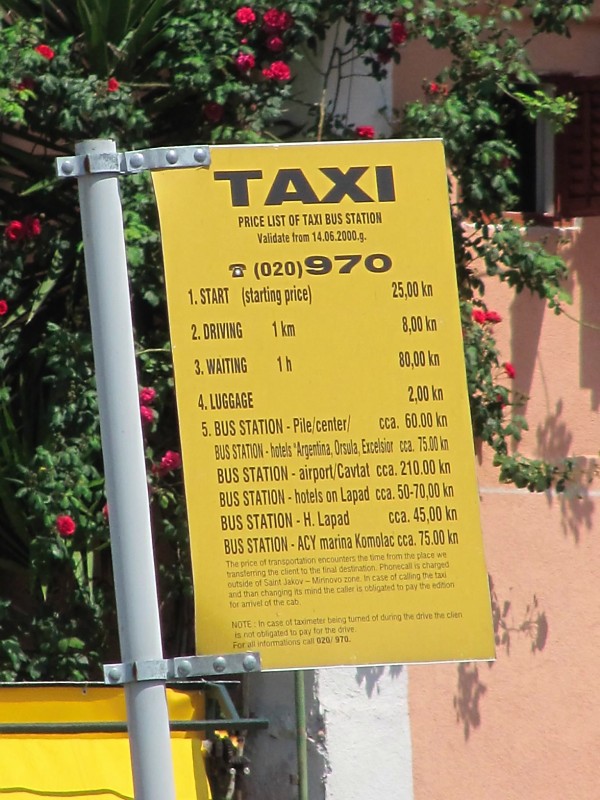
So we headed for the bus station to take the sole daily bus between the two cities–not much of a bus, really; more like a minibus. On the way to the station, the sweaty walk forced us into a taxi cab, where the driver again did all he could to dissuade us from making the trip. As I handed over the 40 kuna cab fare for the 2km journey (!), I thought it was ironic that the driver added, “Make sure you watch your bags in Trebinje.” $8 for a three-minute cab ride is just as good as robbery to me!
After all of this build up, we wondered what we were in for. Is Trebinje really as bad as everyone makes it out to be?
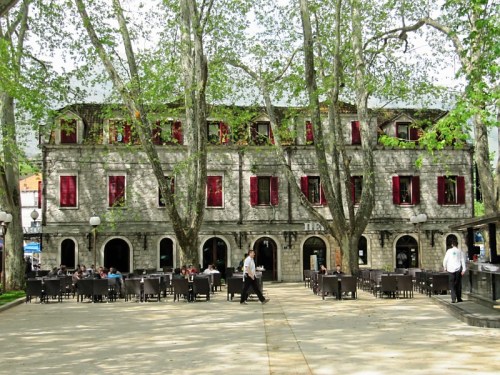

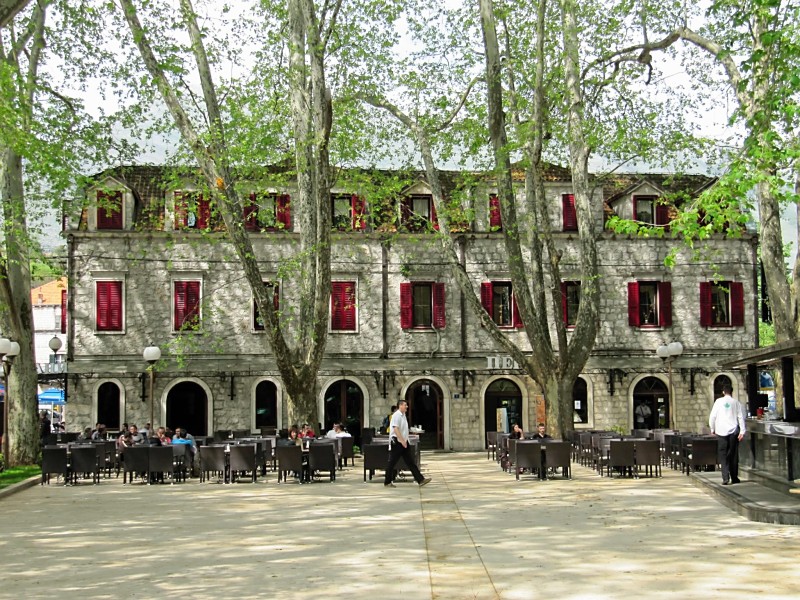
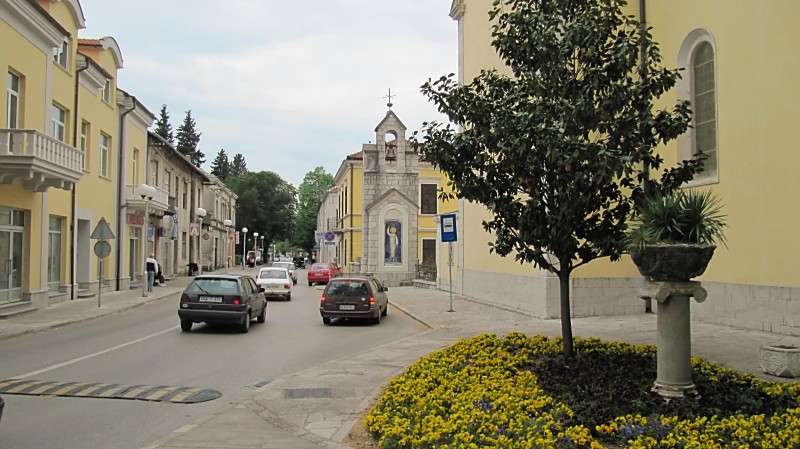
As we quickly learned by exploring the flower-filled center, of course not. Trebinje is a perfectly pleasant medium-sized city. It’s certainly not as wealthy or historical (or expensive) as Dubrovnik, but we could find no reason it should be avoided.
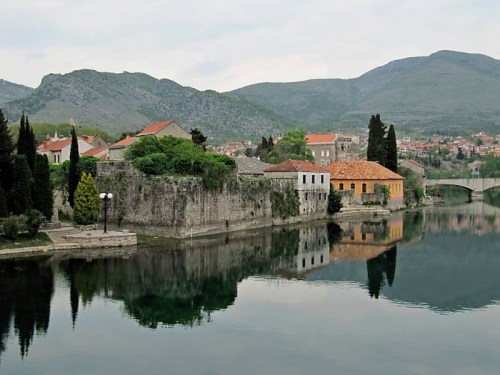
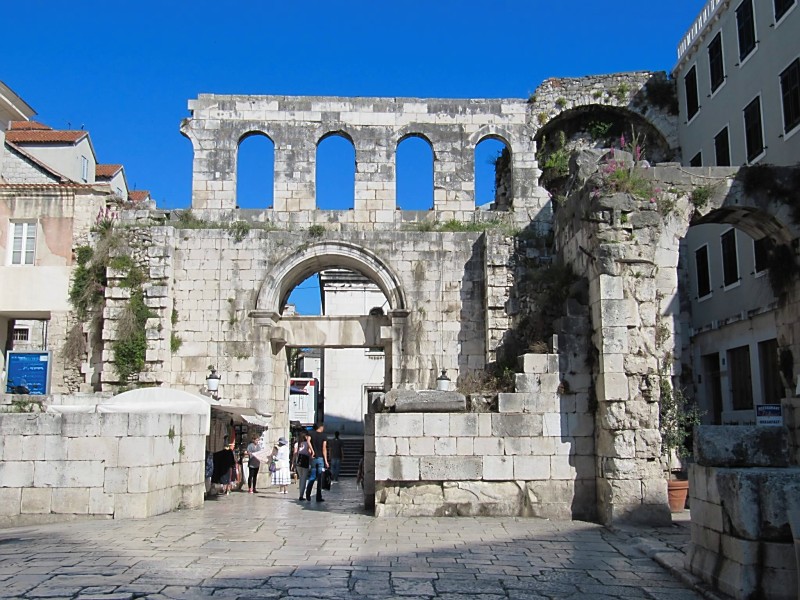
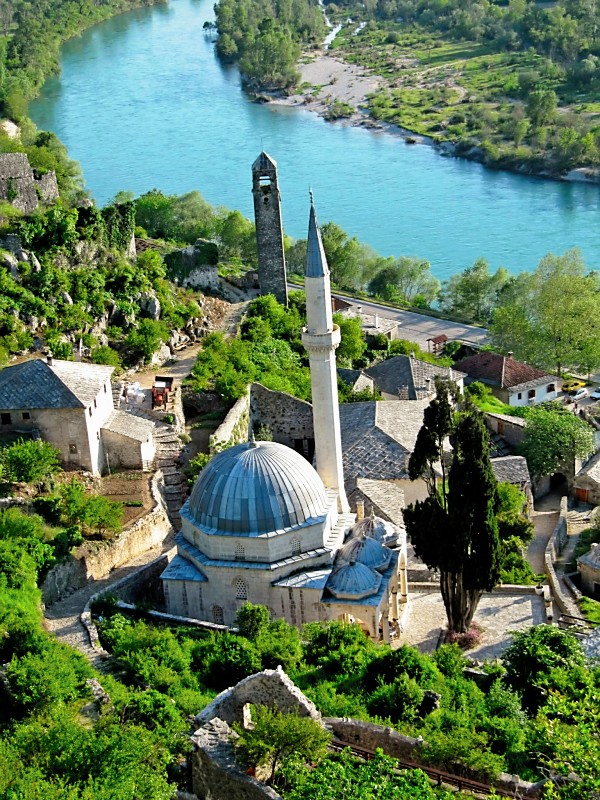
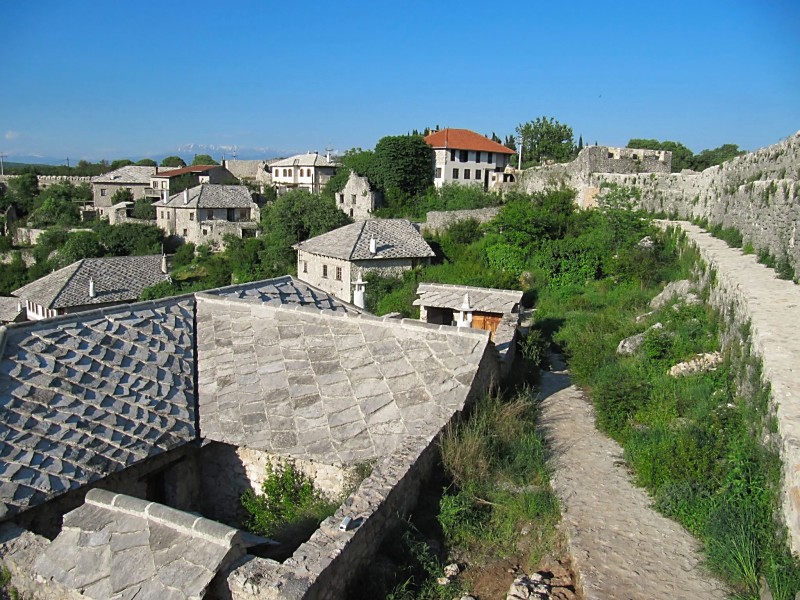
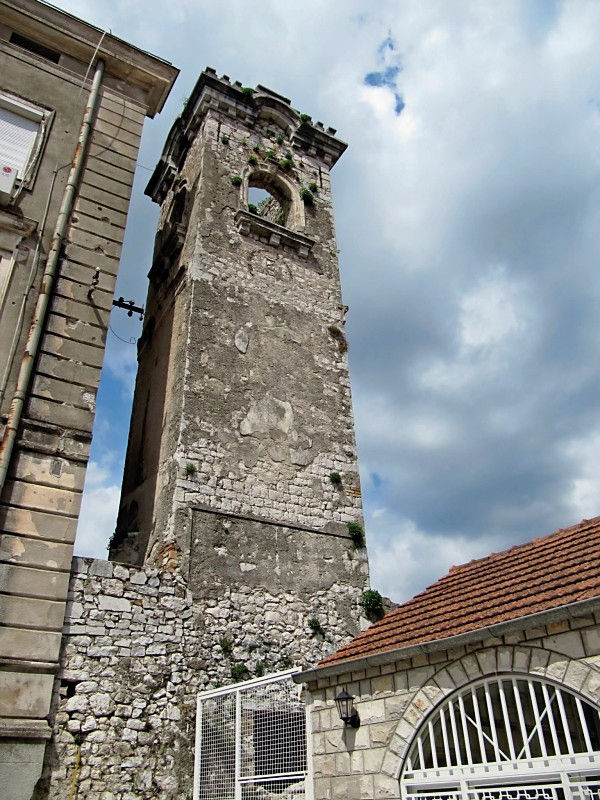
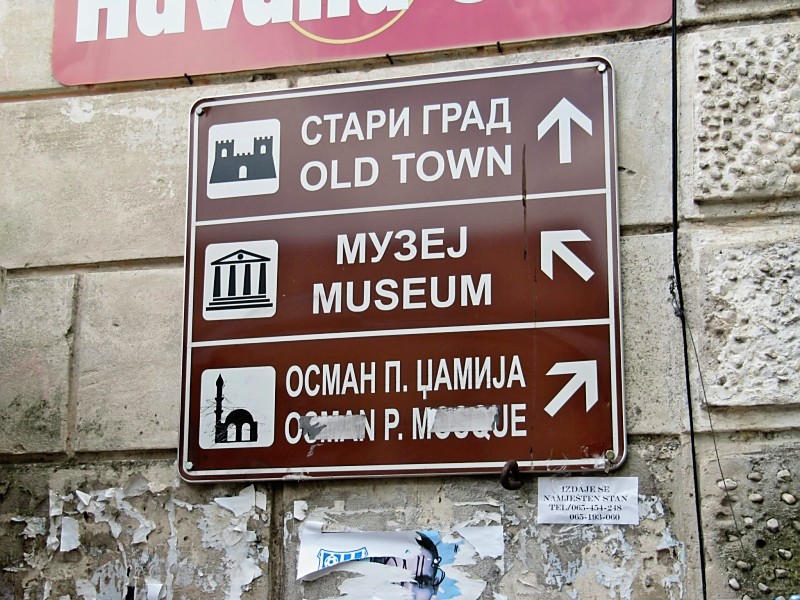
Unlike Dubrovnik, which was never conquered by the Ottoman Turks, Trebinje has an Ottoman-style old town.
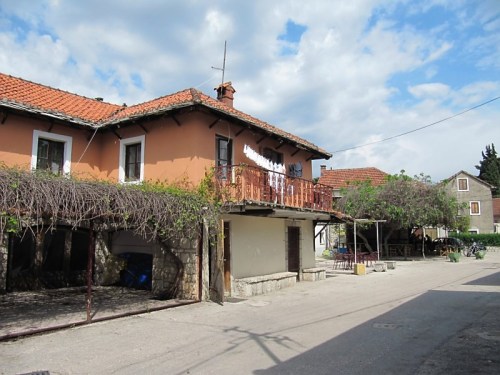

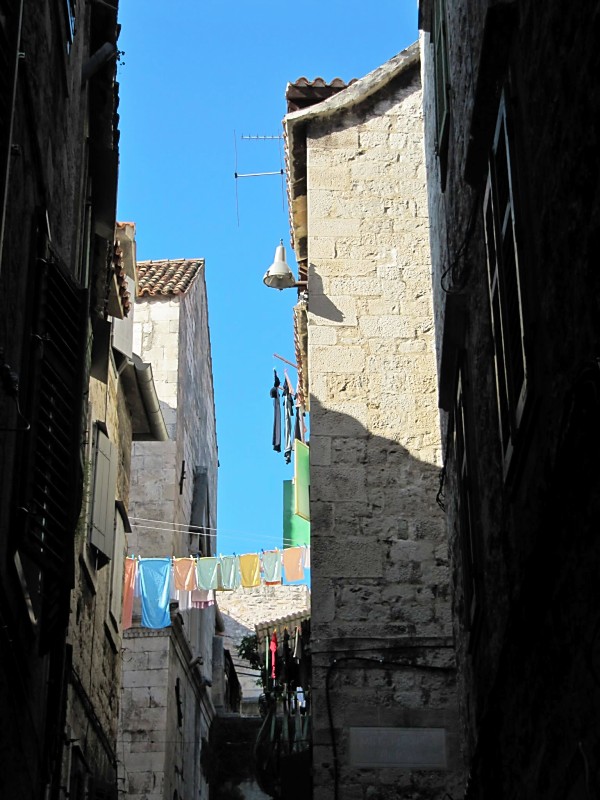
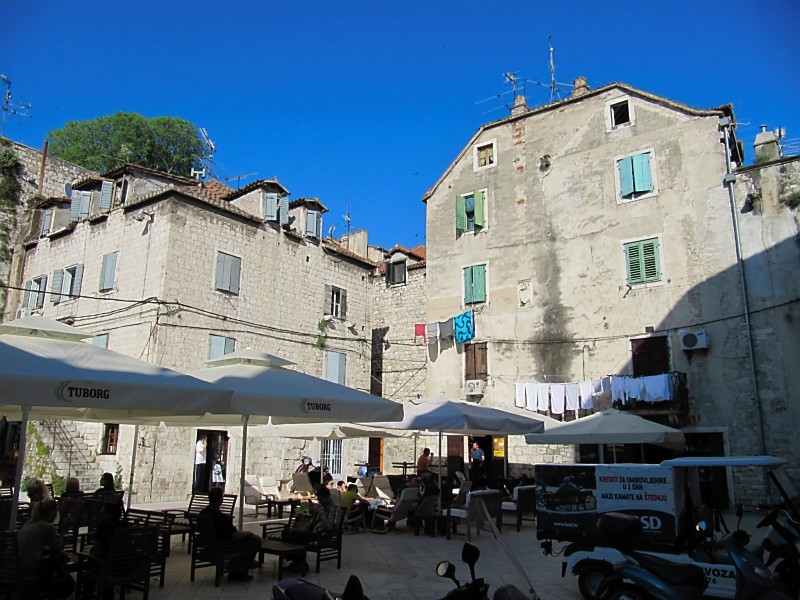
Unlike other places we had seen, where the old town serves mainly as a tourist attraction, in Trebinje it is just another residential neighborhood.
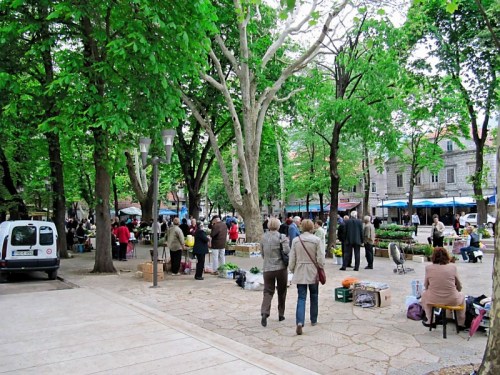
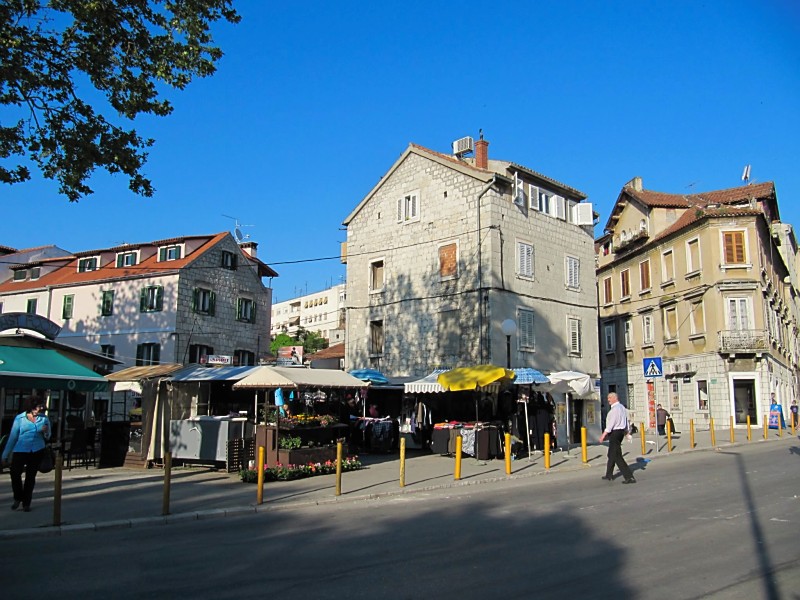
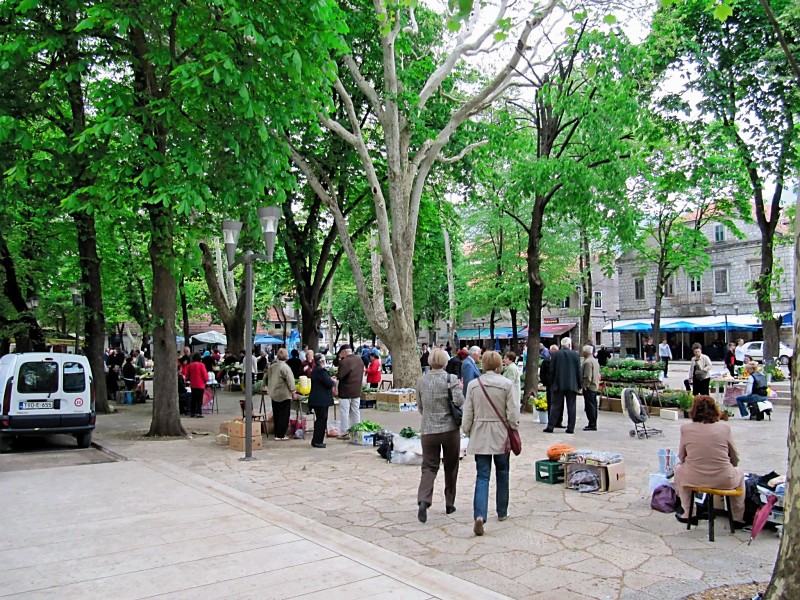
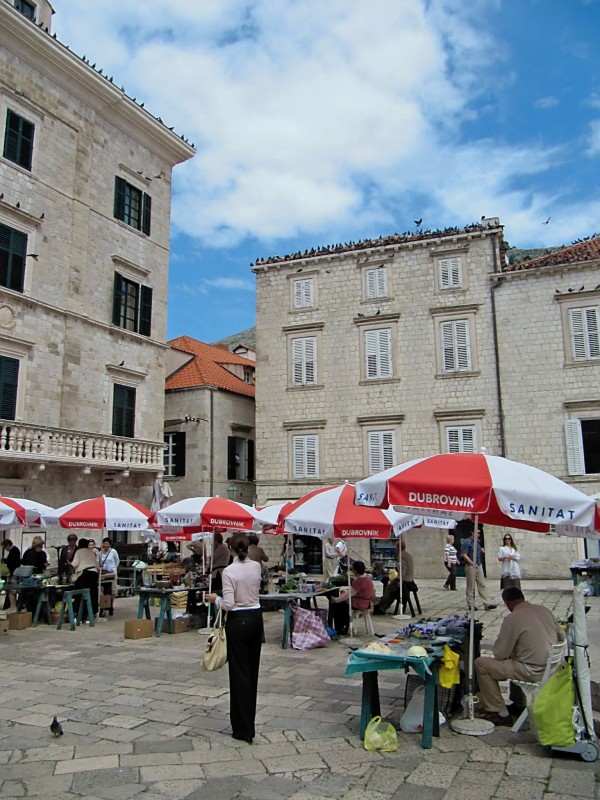
Trebinje’s market, where locals go to pick up herbs, fruits, and vegetables, in stark contrast to the market in Dubrovnik!
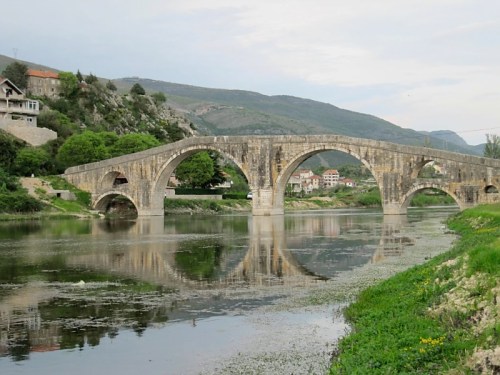
Trebinje’s stone bridge is famous for its a unique design.
To be honest, Dubrovnik does have more of a reason for its distaste to Trebinje than I’m letting on. Although they do also look down on it for not having the historical riches and spectacular seaside setting of its coastal neighbor, Trebinje is the closest manifestation of Serbian dominance in the former Yugoslavia that Croatians–particularly those from Dubrovnik–had to work so hard to brush off.

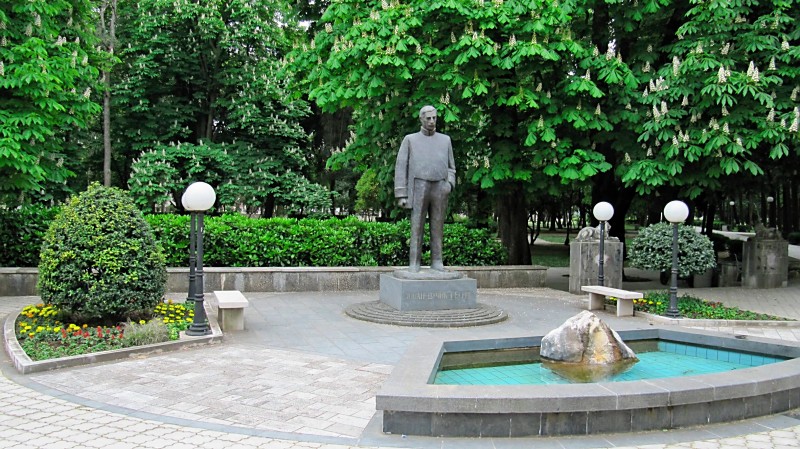
This man, Jovan Dučić, was a poet who is now considered a hero to Serbians everywhere, whether they live in BiH, Serbia, Montenegro, or Croatia. For that reason, Trebinje is an important place for the Serbian people.

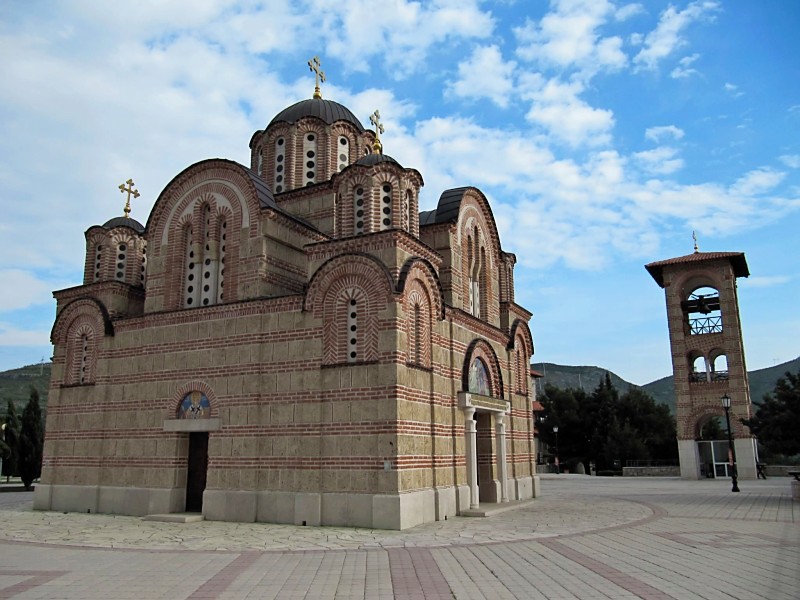
This Orthodox church is Dučić’s burial site.

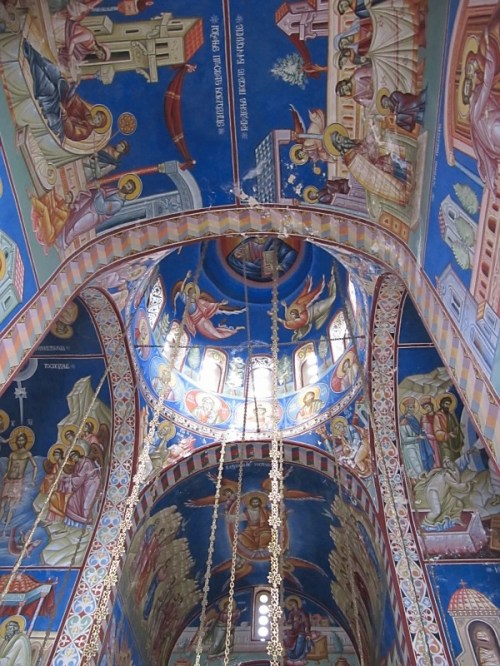
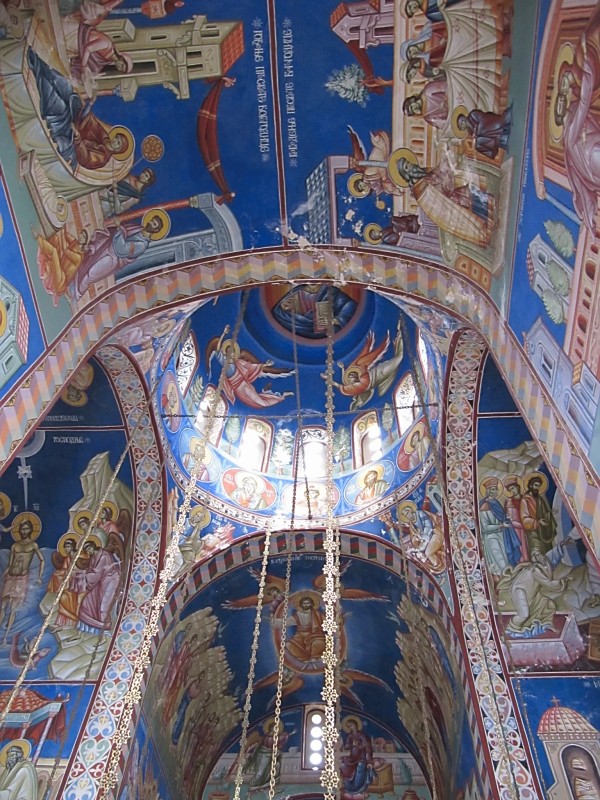
Inside the chruch. The burial site was built by a BiH-born American business man.

The burial site stands on top of the biggest hill in town, and now serves as a fully functioning Orthodox monastery, complete with shale-roofed workhouse…

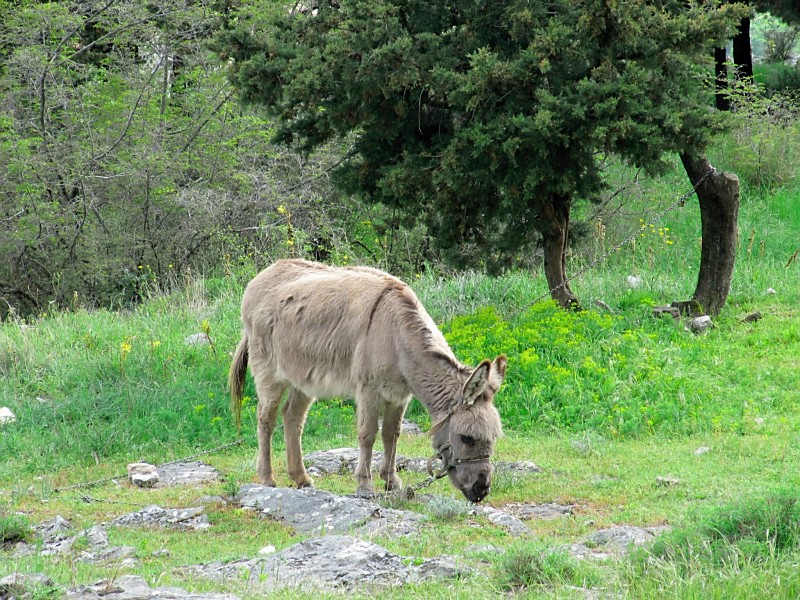
…and monastic donkey!

The place also has an excellent view, which is the main reason we made the hike.
Trebinje is part of the Republika Srpska, the region of BiH administered by Serbs following the 1990s war with which the name Bosnia is now synonymous, in the eyes of most Americans.
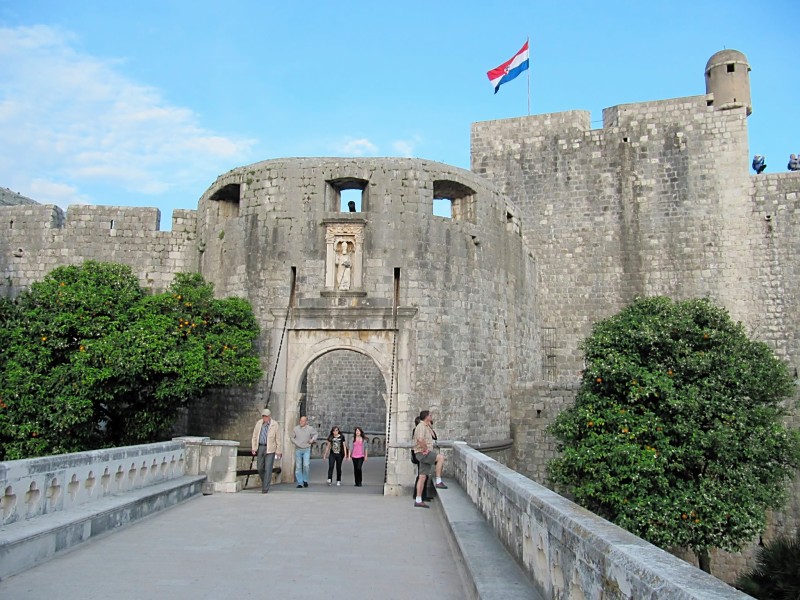
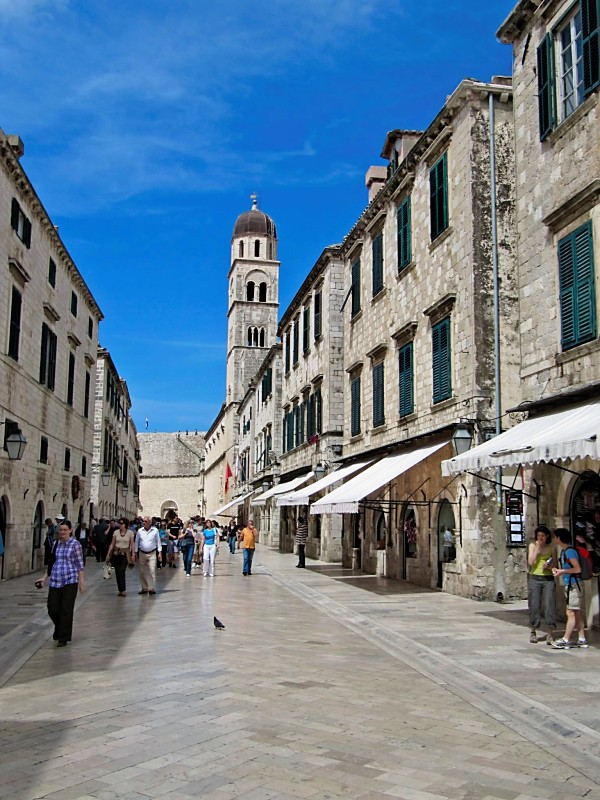
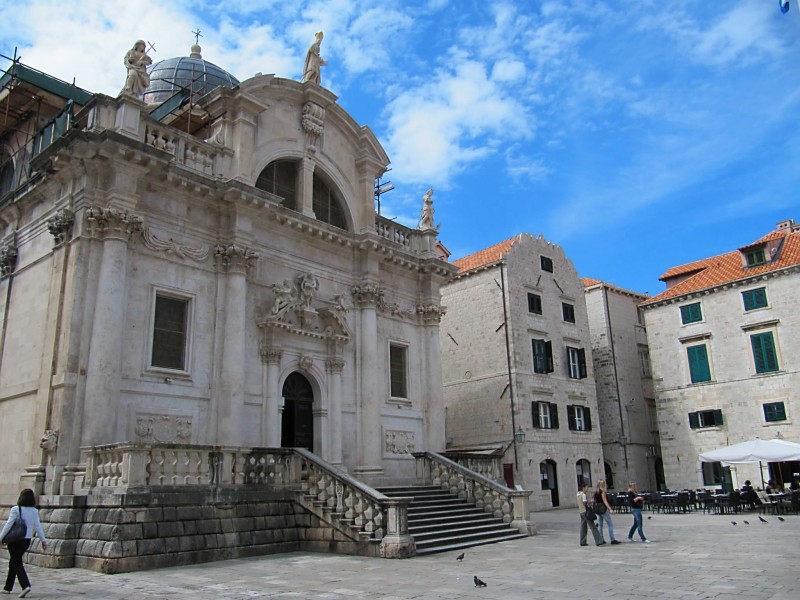
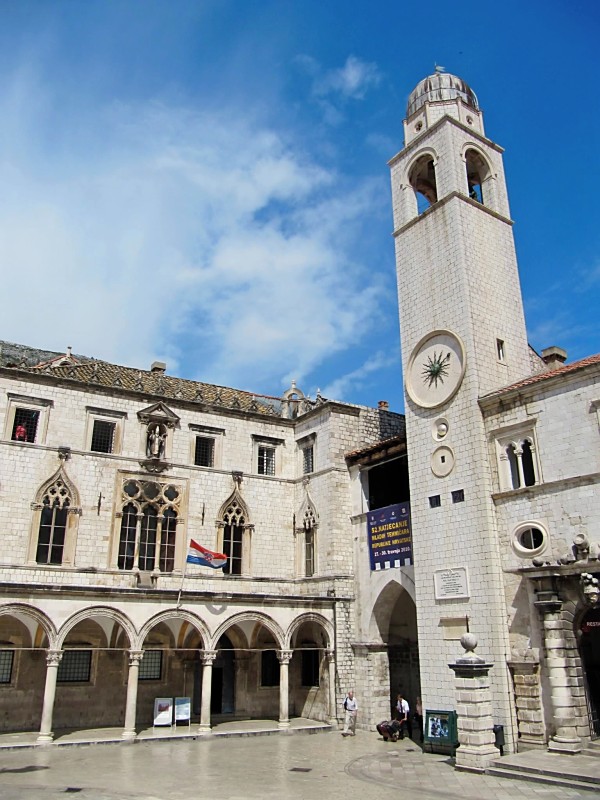
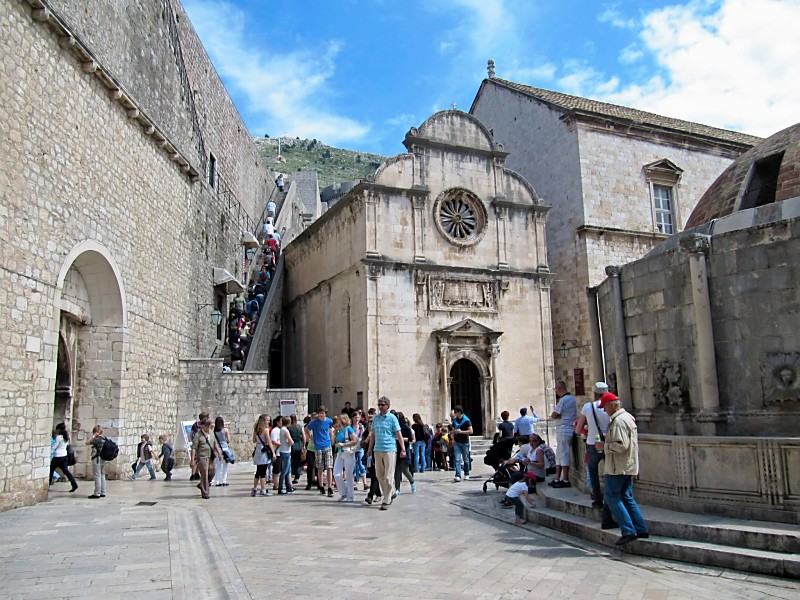
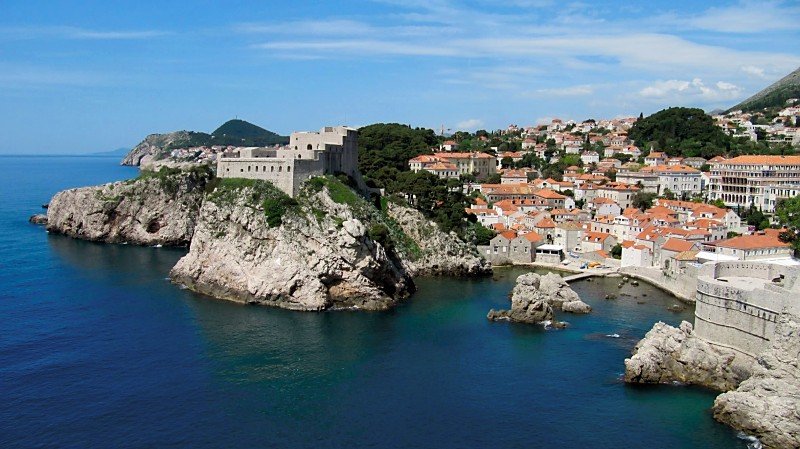
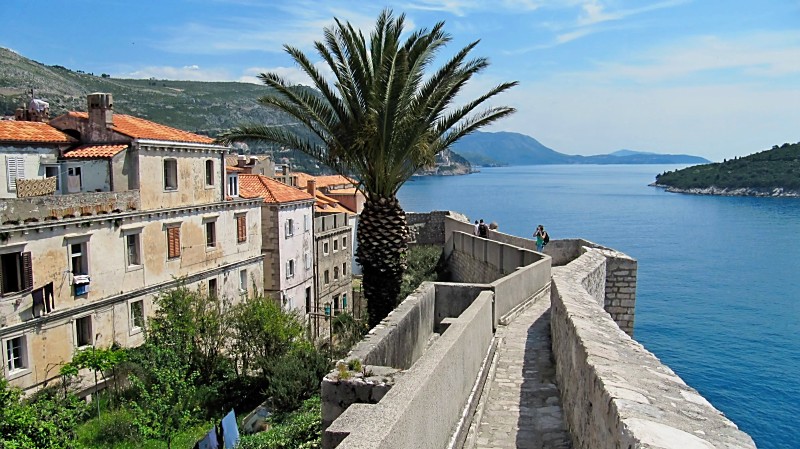
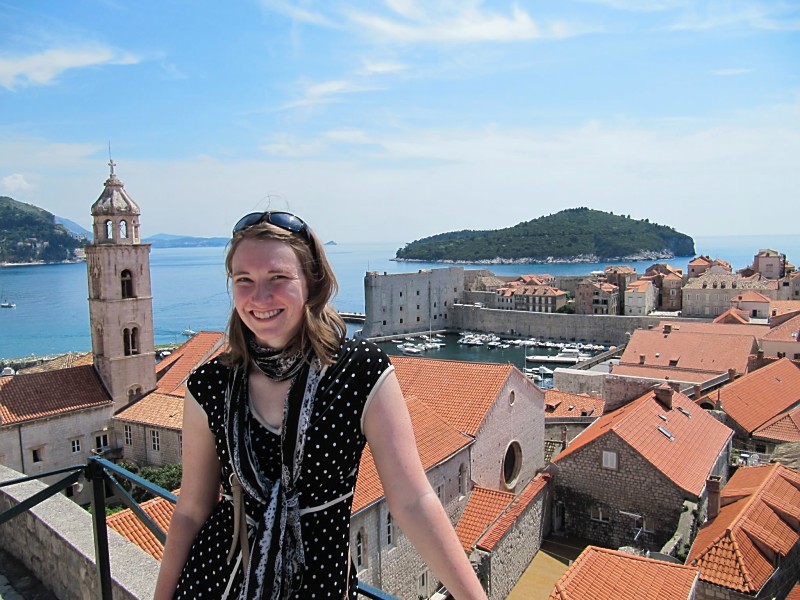
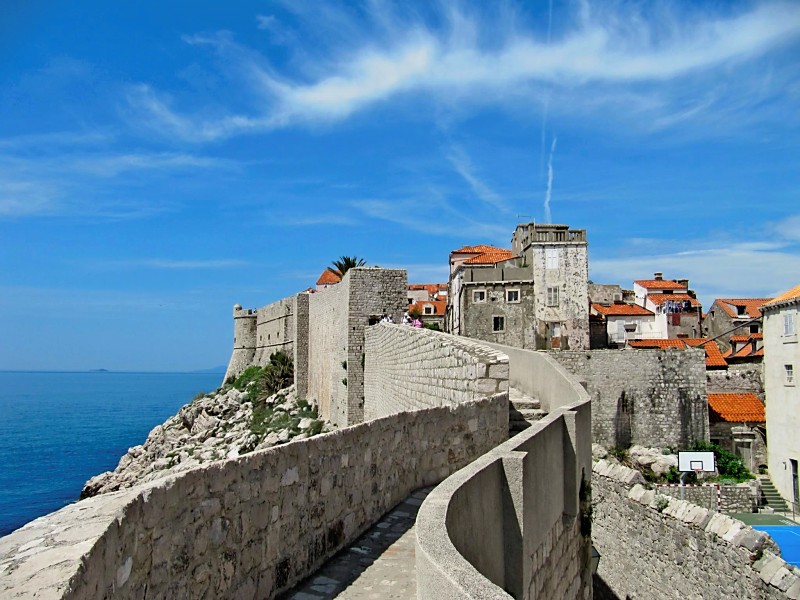
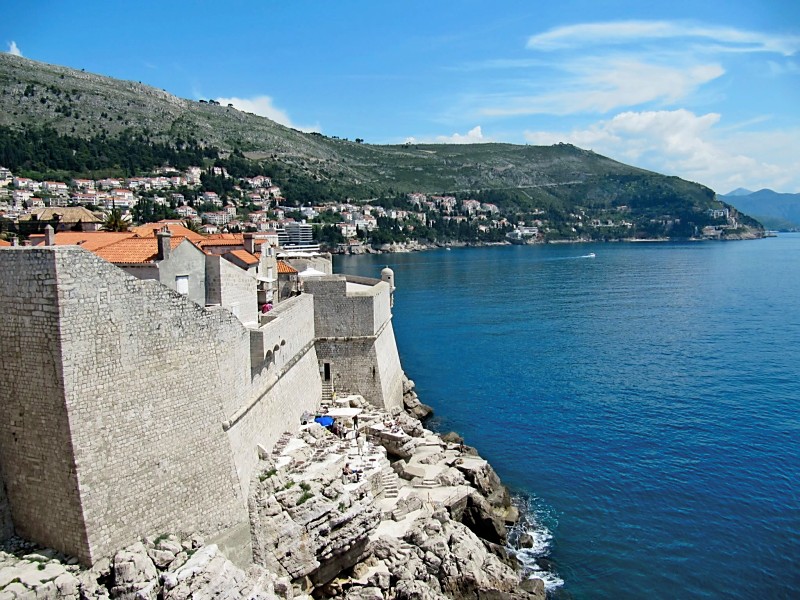
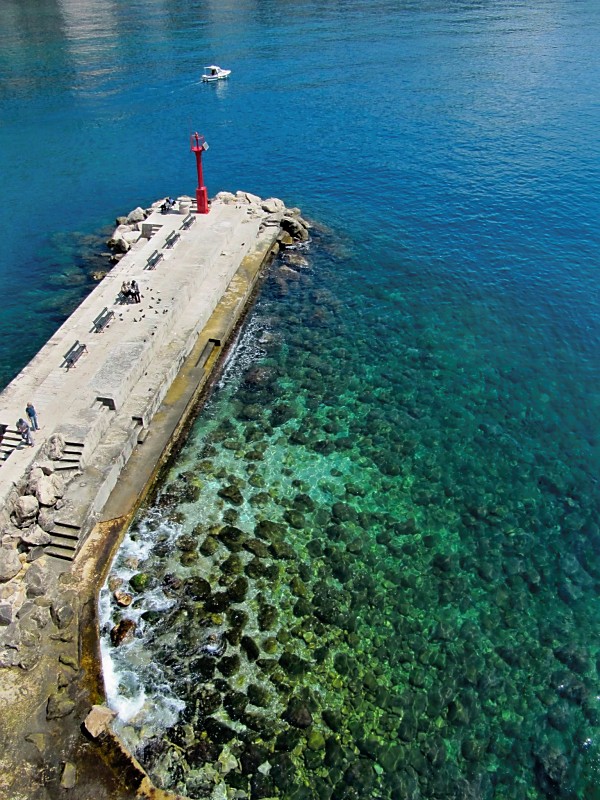
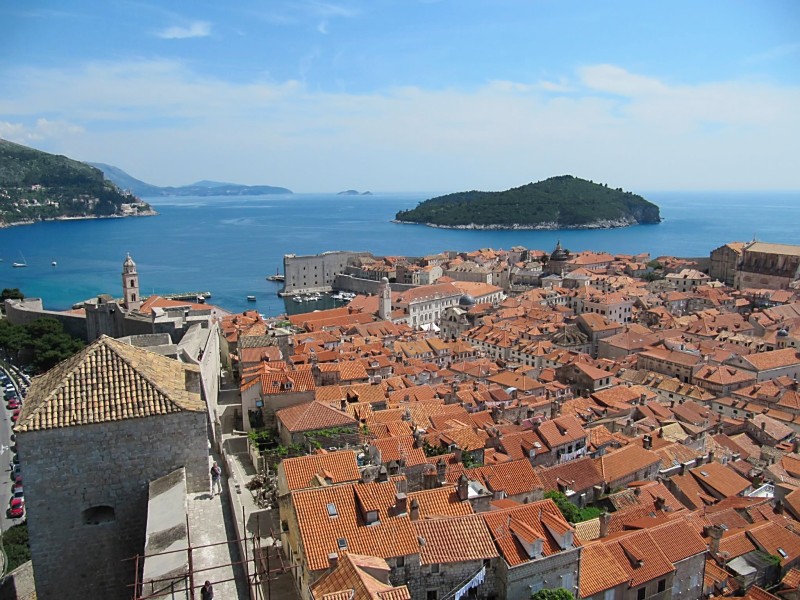
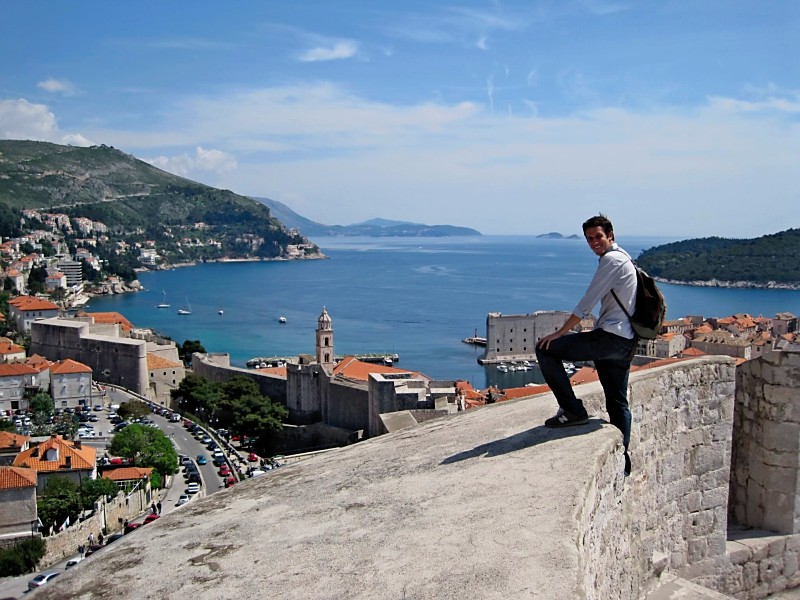
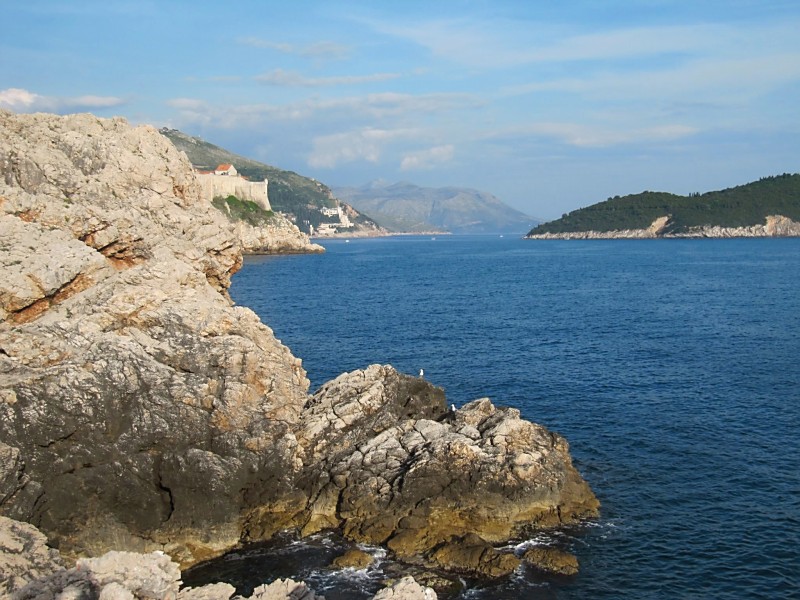
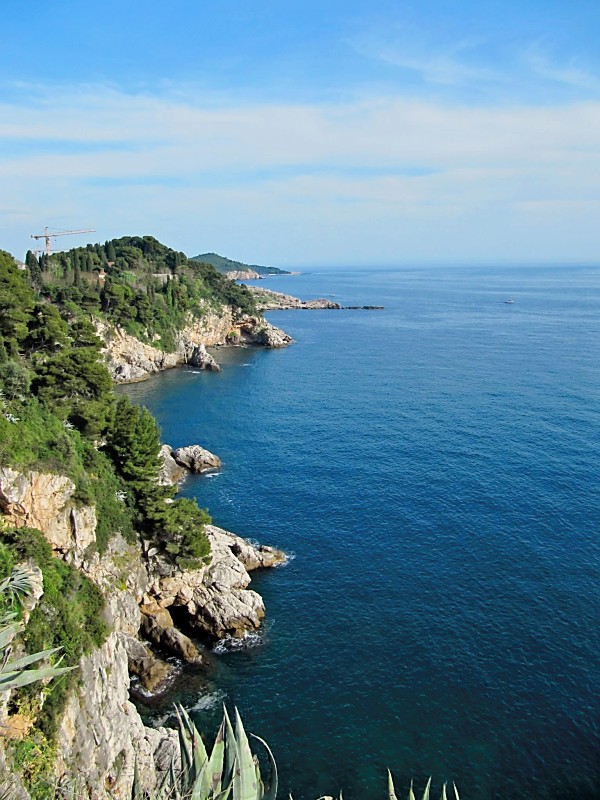
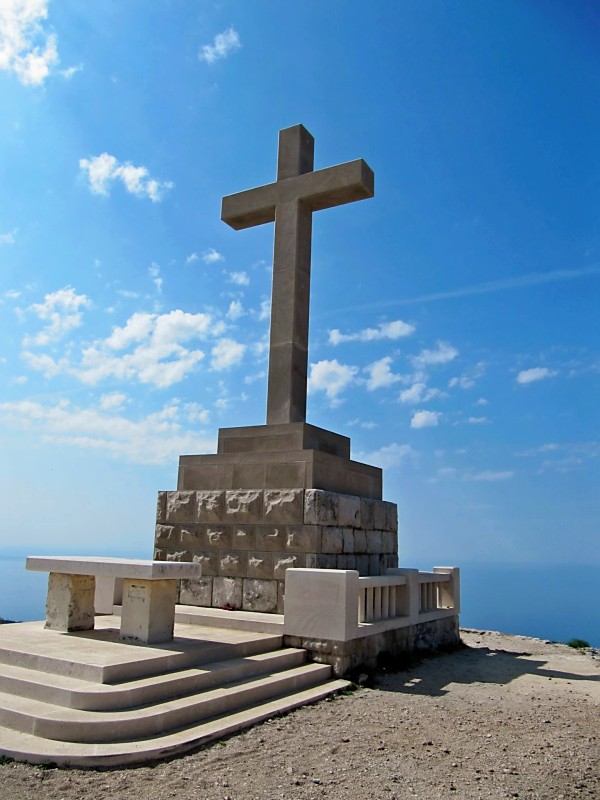
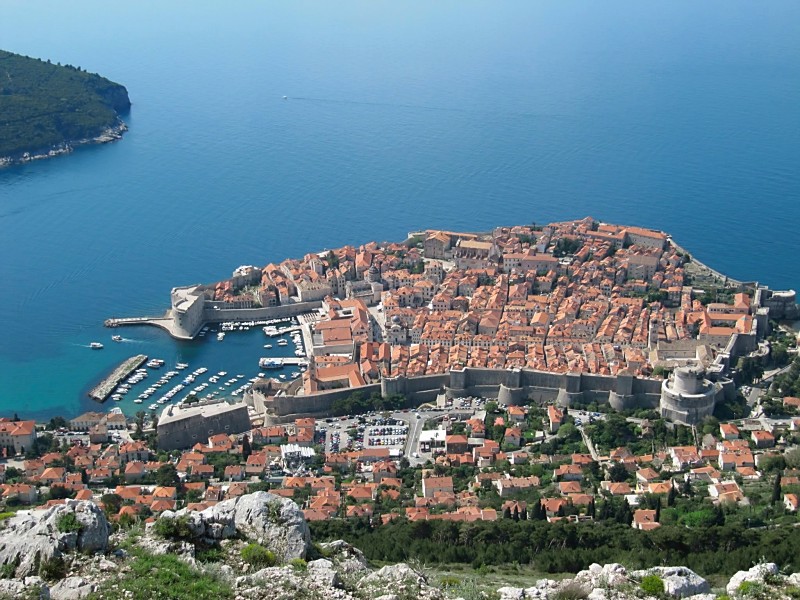
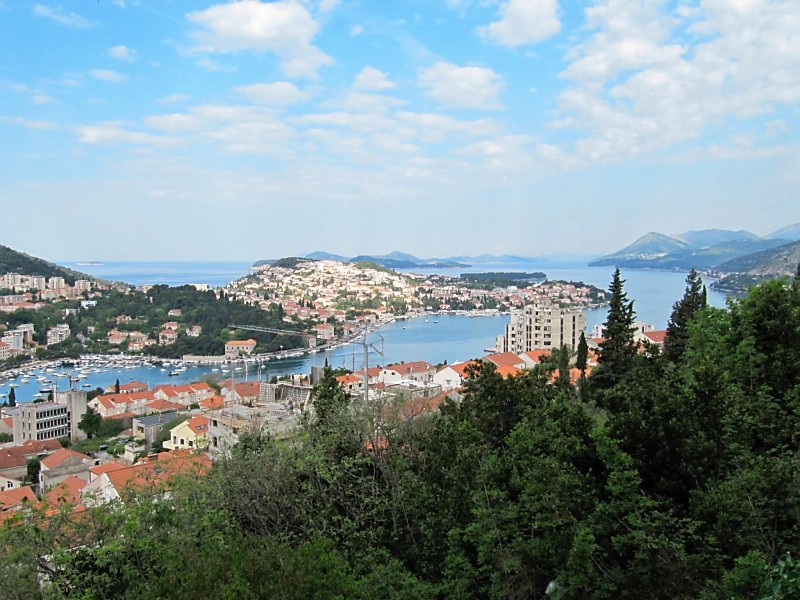
Now is probably a decent time to attempt to explain the Bosnian conflict. (If you mainly look at ths blog for nice pictures, you can scroll down to see some lovely shots of Dubrovnik!)
The idea of Yugoslavia was a union of Slavic people–Serbs, Croats, and Slovenes. As Yugoslavia fell apart in the 1990s, Slovenia–a wealthier republic that enjoys proximity to Italy–gained independence somewhat quickly and painlessly.
Croatia was next. The (mainly Catholic) Croats wanted independence from Yugoslavia, and, after a civil war where many of Croatia’s (mainly Orthodox) Serbs were killed or expelled into BiH and Serbia, modern-day Croatia was born.
Then it was BiH’s turn to decide if it wanted independence. Here, there was no overwhelmingly dominant population: Serbs and Croats were nearly equal in numbers. Serbs loved the idea of being part of Yugoslavia–a pan-Balkan powerhouse headqaurtered in Serbia’s own Belgrade. Bosnian Croats wanted to join their Croatian brothers in their newfound independence. The two couldn’t agree, and war broke out.
Quickly, the country was divided up: Croats took over the west, expelling all the Serbs, and Serbs dominated the east, expelling all the Croats. This eastern part now has a separate government from the rest of BiH, called Republika Srpska.
But if only it were that easy. BiH also has a major Muslim population that didn’t fit with either ethnic group, and neither Croats nor Serbs envisioned a significant minority of Bosnian Muslims (called Bosniaks) in their single-ethnic areas. These were the most horrifying images from the war: atrocities committed against civilian Bosnian Muslims by Serbs and Croats.
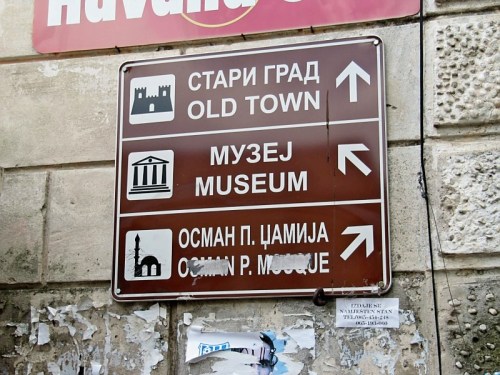
Sadly, if you look hard, you can still see lingering tensions with Muslims in the area, even though most have fled or were killed in the war.
Despite all this, we found the inhabitants of Trebinje to be totally kind and friendly. At dinner, the restaurant-owner was so pleased we stopped in the city that he poured us both a glass of the local after-dinner drink, just to try. (There’s something that would never happen in Dubrovnik!)
Trebinje was a good place to learn that it’s important not to blame what happened during a conflict on the whole group of people associated with it.
Edit: Since the one topic that seems to draw more visitors to this blog than anything is how to get to Trebinje, I’ll go ahead and add that info. One bus per day goes from the main bus station in Dubrovnik daily to Trebinje at around 1PM. It costs about 40 Kuna if I recall correctly and takes around an hour. The bus goes to Dubrovnik from Trebinje in the morning. From Trebinje, there are buses into Montenegro (Niksic and Kotor, I believe) at a greater frequency than along the Dubrovnik route. There are also a few buses to Mostar per day.








































































 Cape to Milan