Posted by: Caroline | July 16, 2012

Murals and More in Esteli

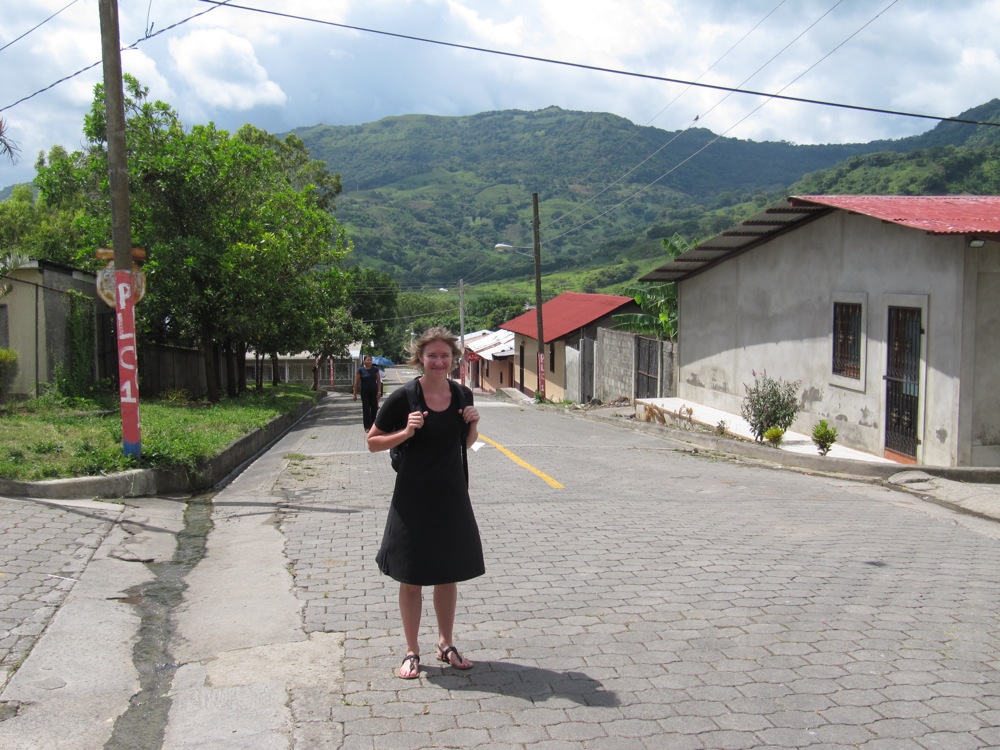
We caught the bus from outside of La Biosfera to Jinotega, “City of Mists.” We got this brief look at the city before hopping on a minibus to the sleepy mountain hamlet of San Rafael del Norte.

Arriving in San Rafael’s central square felt like arriving home. We visited here in 2009 and made friends with a Nicaraguan family that runs a restaurant by the river. It was one of the most enjoyable parts of our trip–we ended up hanging out at the restaurant for most of the day, discussing politics, meeting the whole family, and making tortillas–so we decided to stop by and say hello three years later.
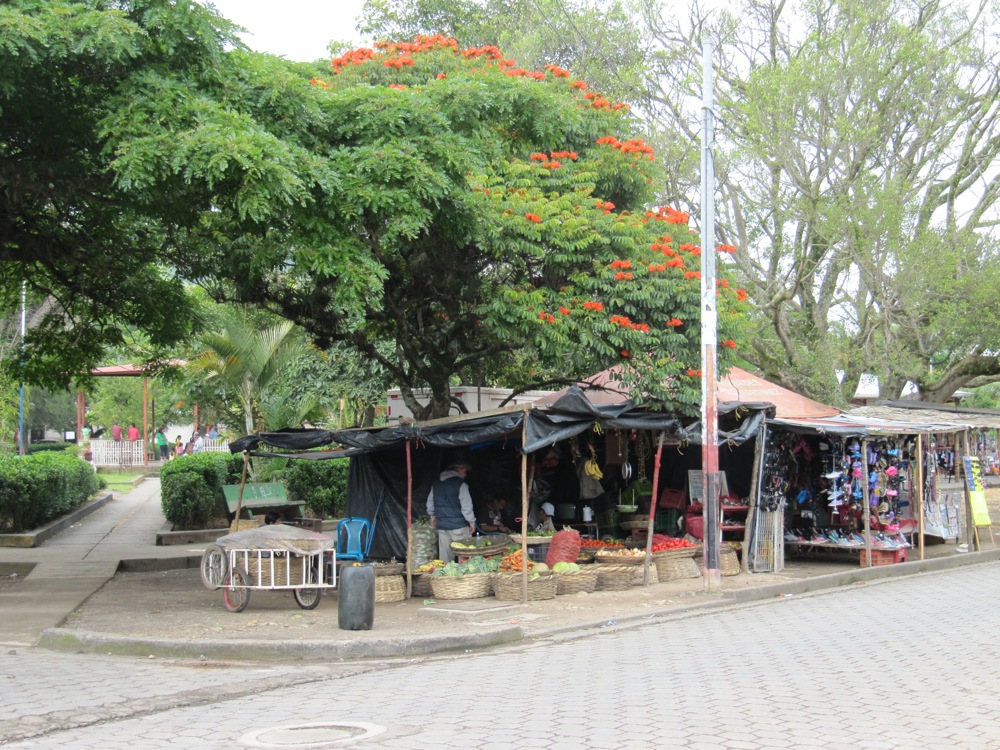
San Rafael then…
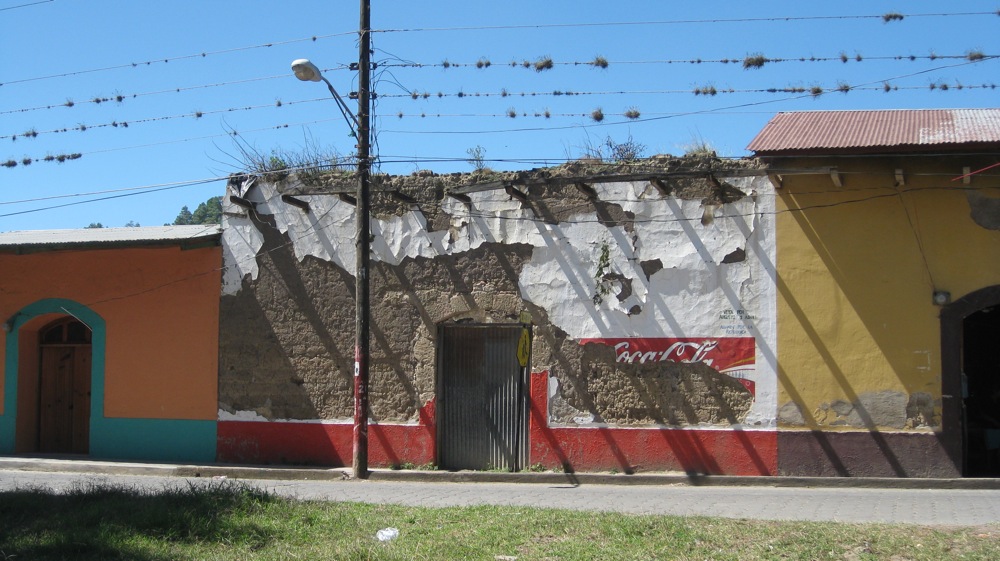
… and now.

The restaurant, Los Encuentros, has easy river access that would be a great place for swimming–if it was a bit warmer! Instead, I read The Poisonwood Bible. Equally heartwrenching in any temperature.

San Rafael’s church.

It’s famous less for its beauty than for this ominous portrait of the devil–or Daniel? Painted in the 60s, well before Daniel Ortega came to power, but vanloads of Nicaraguans still arrive to marvel at the coincidental resemblance–or eerie prescience, depending on your political vantage point.

Our next stop was Estelí, a university town on the Interamericana (or Pan-American Highway).

It’s got the feel of a typical Nicaraguan city: vibrant streets crammed with cars, businesses, and umbrella-shaded produce stands…

… and some hints of colonial architecture.
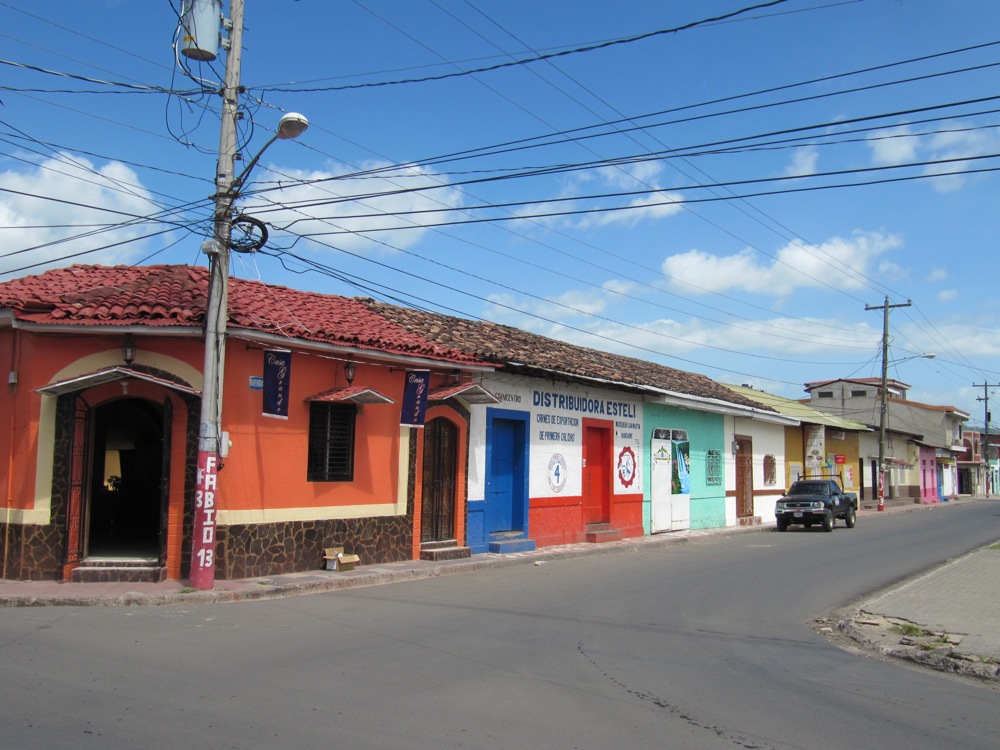
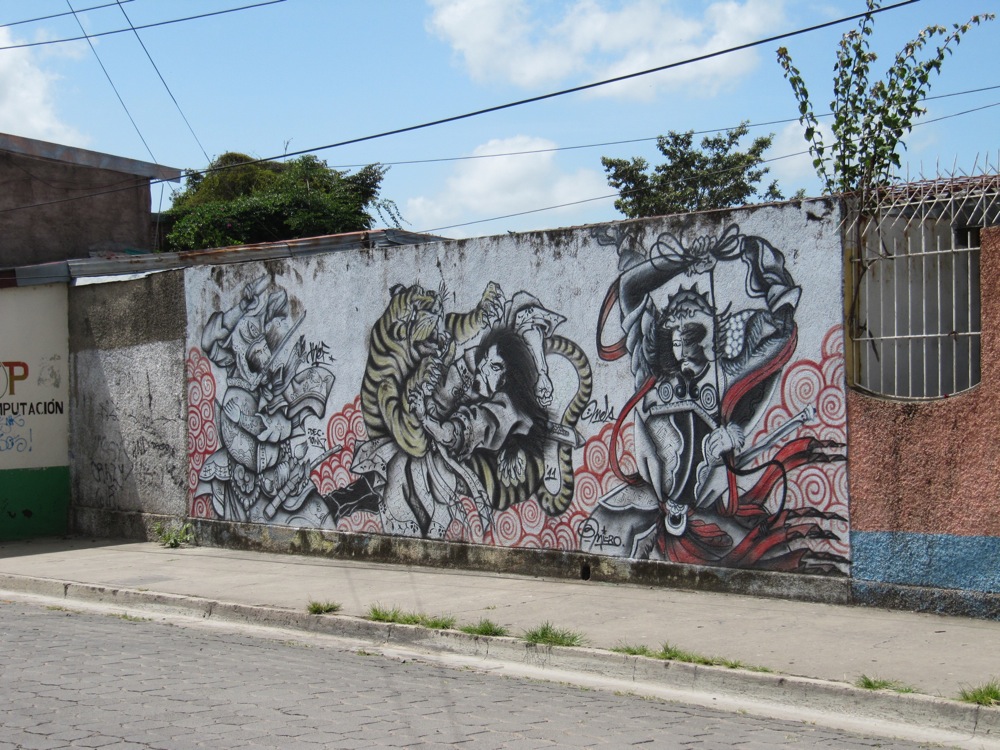
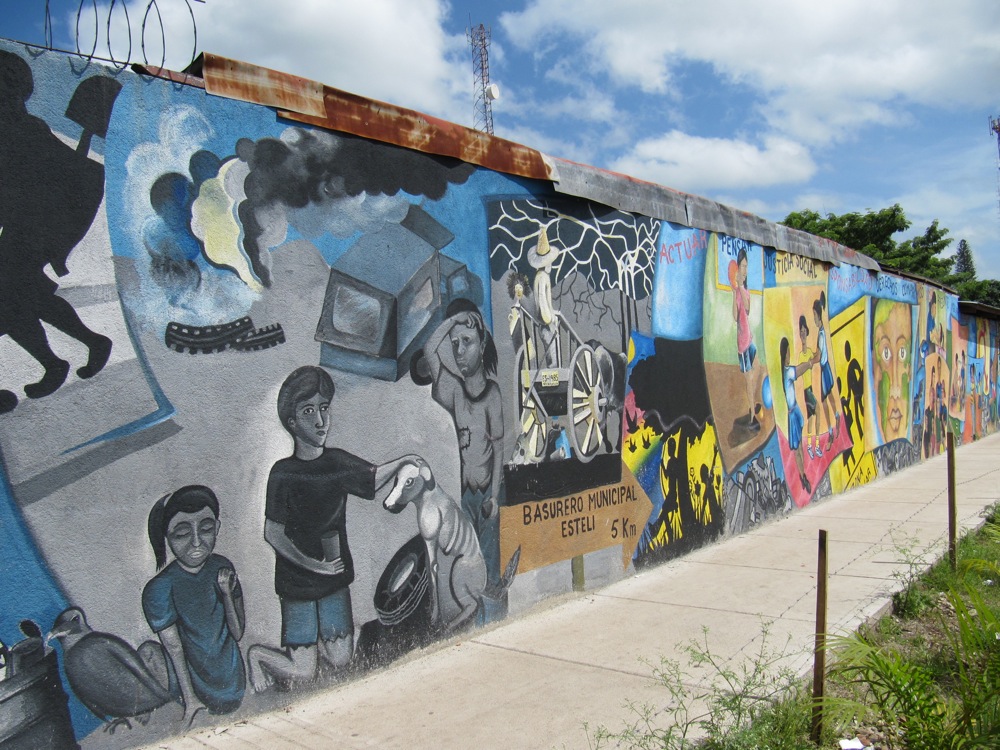
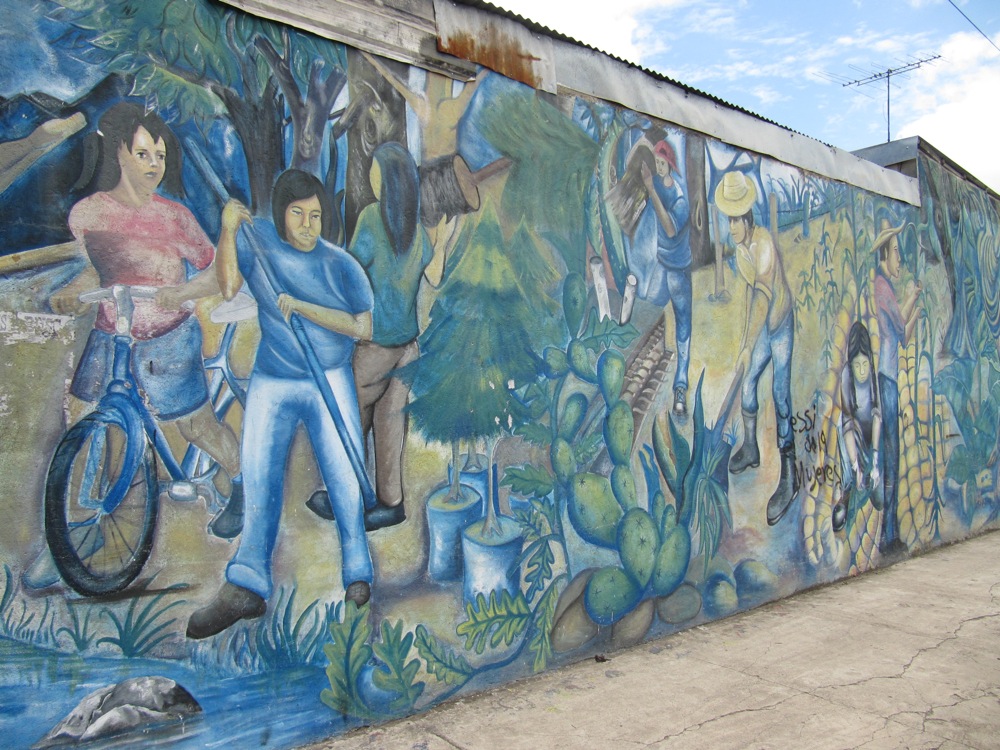
Because Estelí was a rebel stronghold throughout the Sandinista Revolution, so much of it was bombed. What it lacks in extensive colonial architecture, it makes up for in revolutionary spirit. Murals coat much of the wallspace around town…
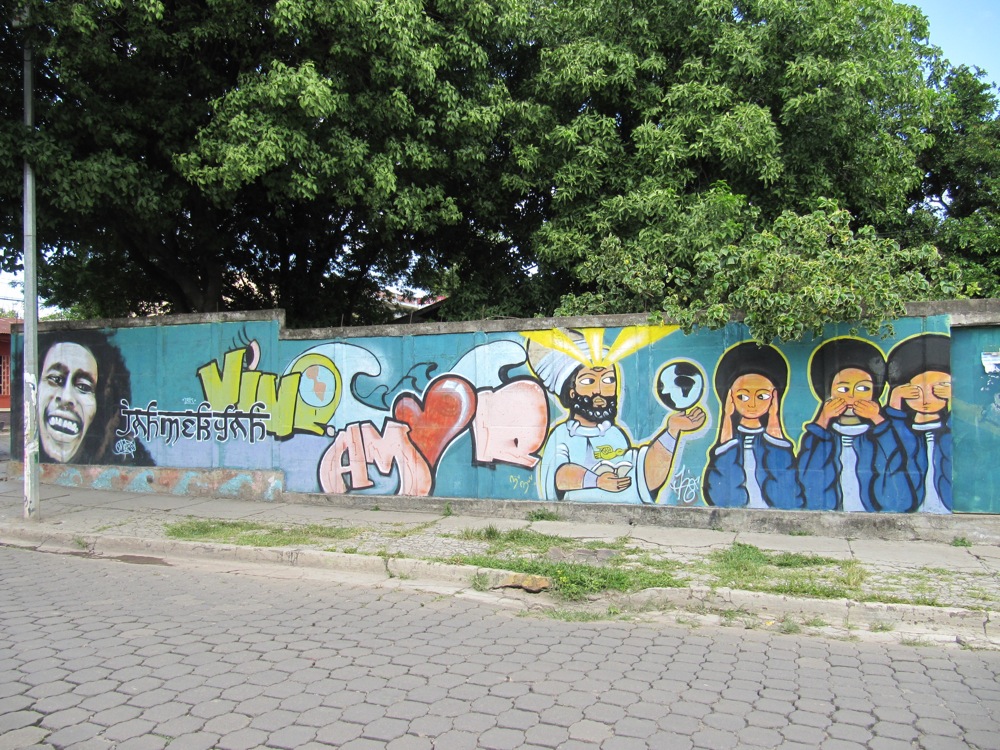
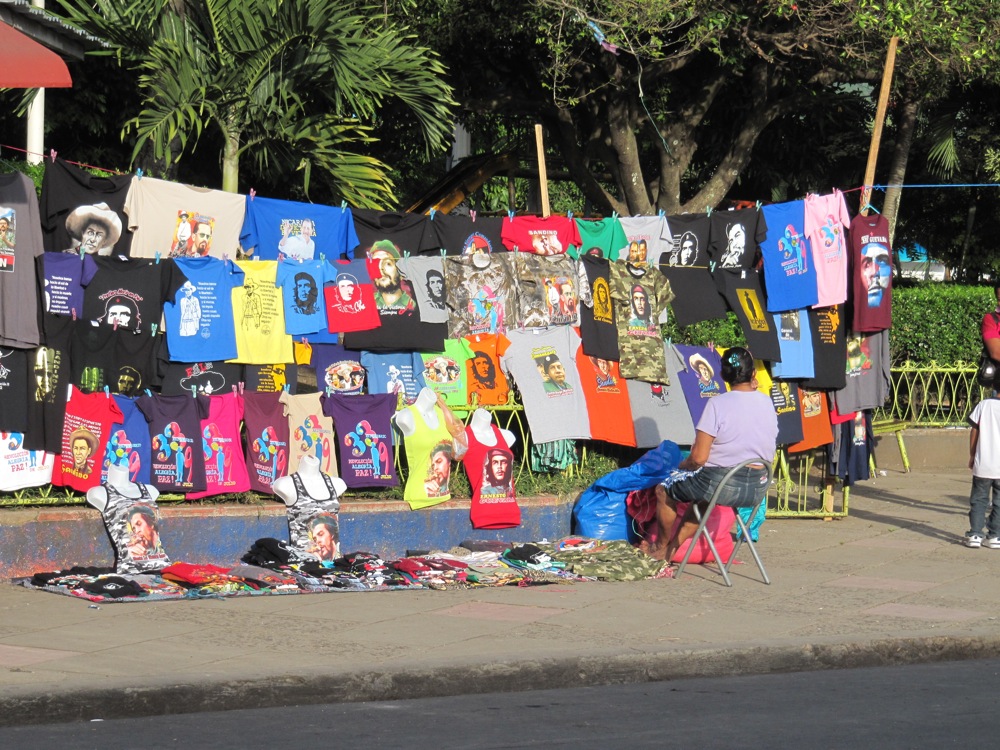
… and you can’t walk too many steps without seeing Che’s face.
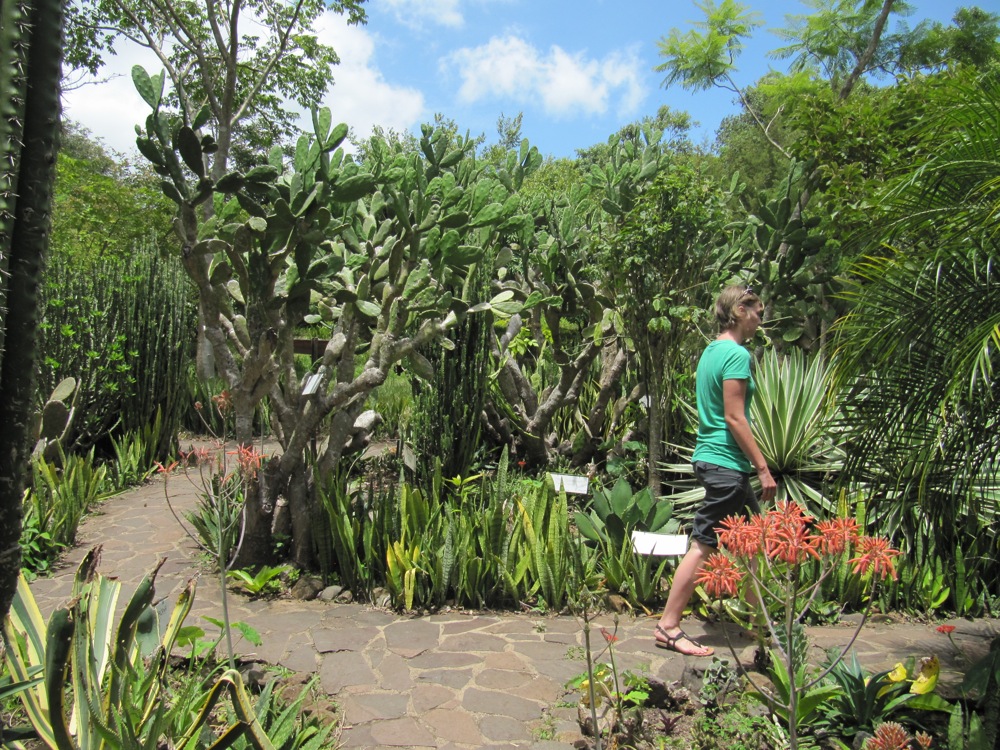
Adding to Estelí’s university and revolutionary spirit is its commitment to natural medicine and all things organic. We tried visiting the most-loved natural medicine clinic, but it was closed–a bummer after our long, dusty trek down the Interamericana. Thankfully, the restaurant next door was open. La Casita offers up fresh yogurt (I had the mango) with muesli, fruity milkshakes, and whole-wheat bread (hard to find elsewhere!). Plus, its location–right on the edge of a nature reserve–is so zen.

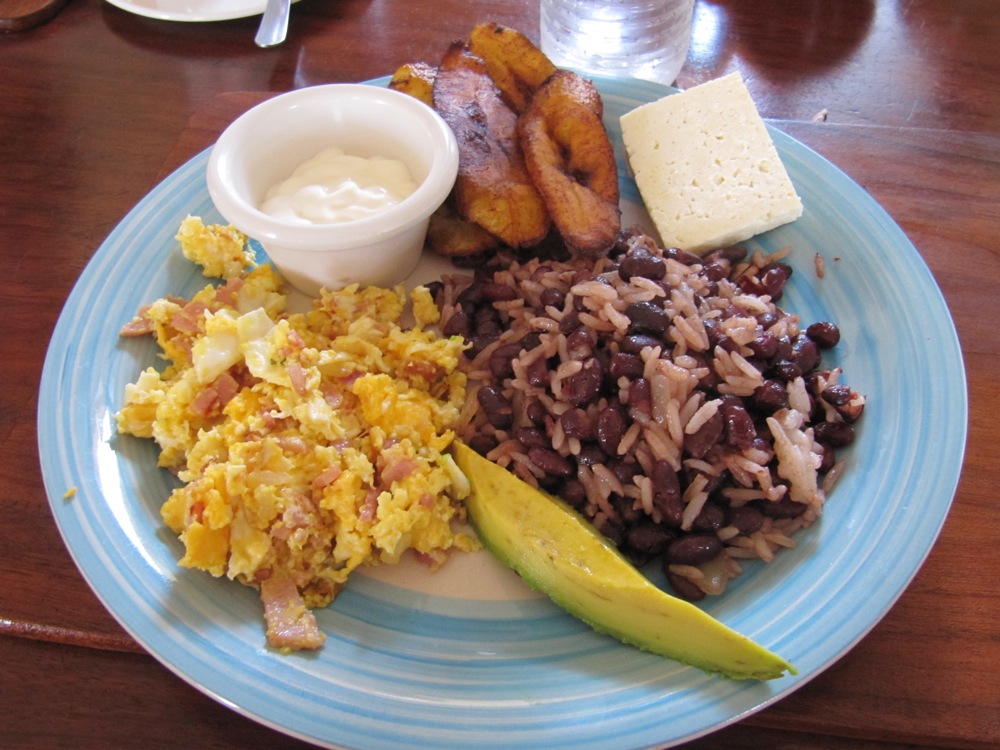
Although I loved my fresh yogurt and organic salads at La Casita and other restaurants around town, we still made time to devour some more traditional fare. This is a typical Nica breakfast with bonus avocado (that Estelí touch!).
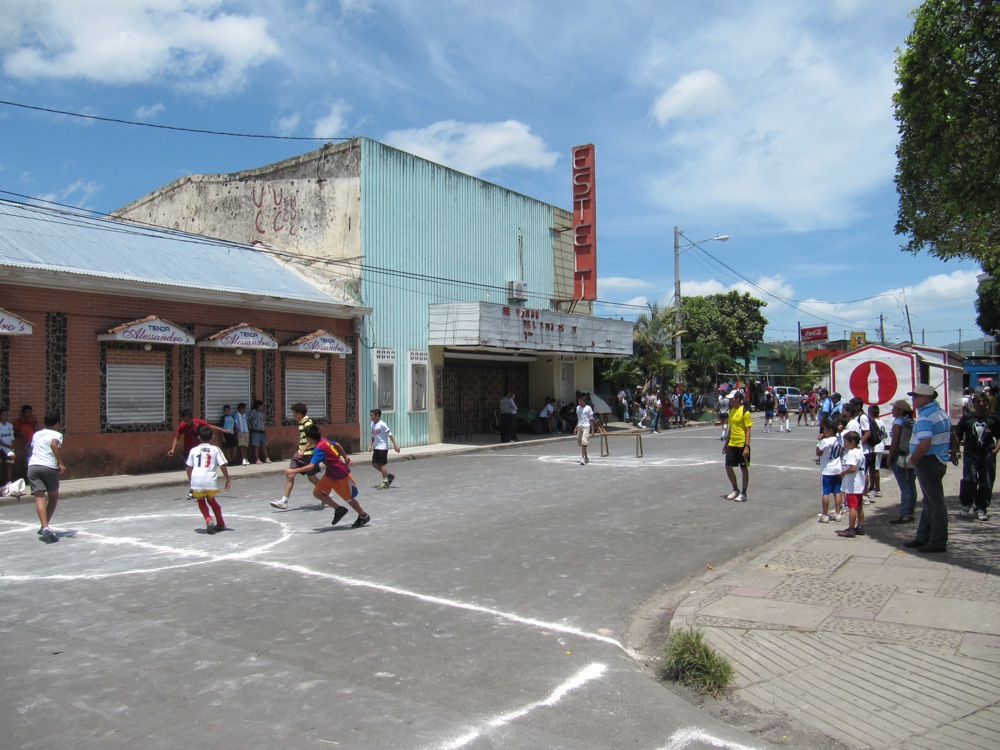
Estelí’s parque central is as lively as any, with soccer, volleyball, and even taekwondo matches filling the surrounding streets.
But my favorite part of the parque is this enterprise: parents pay to rent a Barbie Jeep or mini-ATV and pull their kid around the central gazebo. I could watch this drama unfold for hours. There are the kids who love it, the ones who are bored, and the others who seem downright miserable. I couldn’t quite figure out if parents pay for a certain amount of time or if they just pull the kids until they’re exhausted.

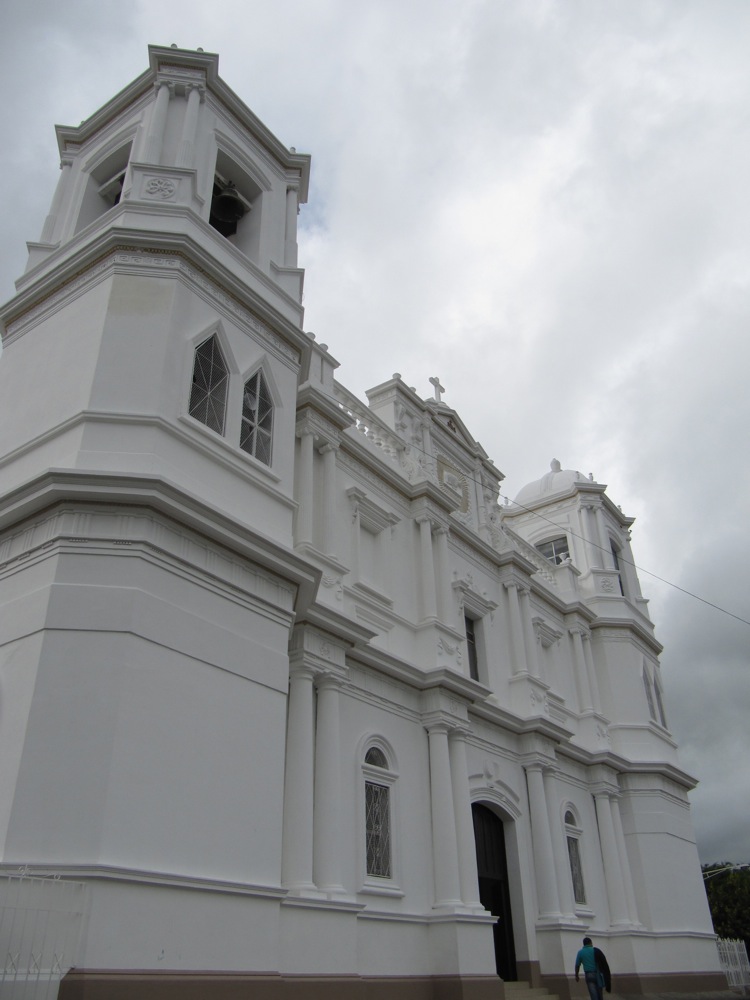
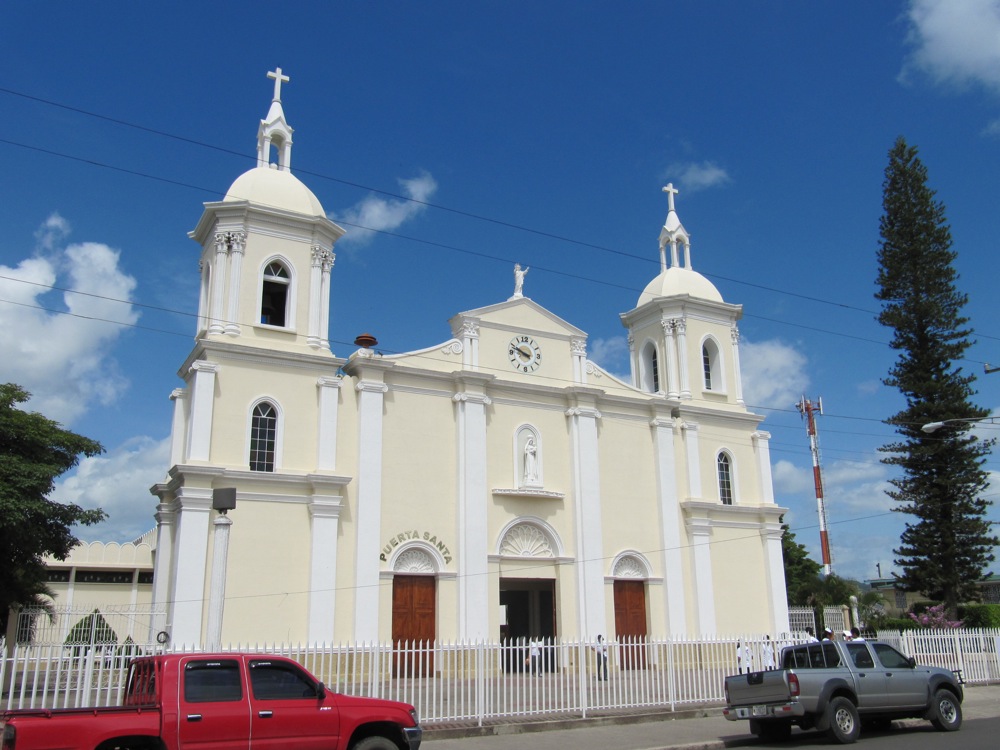
Estelí’s main church.
Posted by: Alex MacGregor | July 14, 2012

A Night in the Biosphere (Con Mucho Café)

We thoroughly enjoyed the cool mountain temperatures and small-scale tourism in San Jose de los Remates, so we decided to back it up with…more time enjoying small-scale tourism in the mountains. Yes, the DR, Haiti, and the place which shall not be named  for another week were that hot.

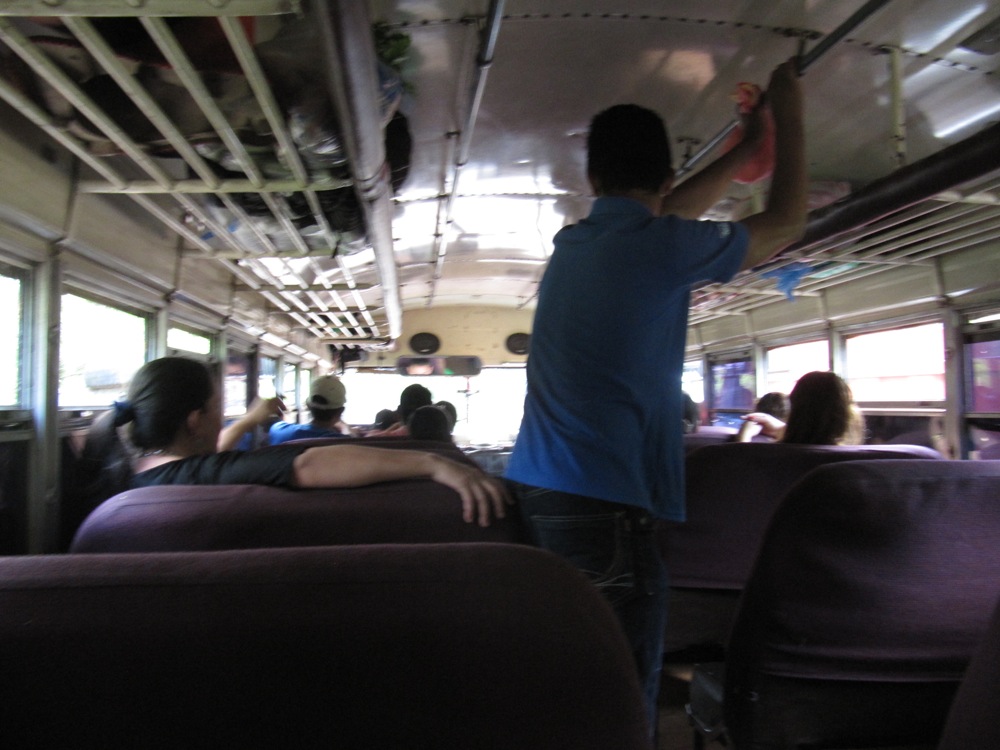
Although taking the back roads for our onward journey was possible, in Nica that’s rarely the easiest option. To get to Matagalpa–the transport hub in the highlands–from San Jose the easiest route is simply to take chicken buses back to the country’s main highway, then wait for a bus heading out of Managua. Probably some absurd percentage of Nica’s transport is either going to or from the capital.

Here is Caroline waiting at the aforementioned side of the highway. Not a place of beauty, where two of Nica’s main highways intersect. Fortunately you’re hanging out with a bunch of people who sell food on the buses, and they know the routes and schedules like the backs of their hands. A great source of information.

After a bit of waiting, we were on a bus to Matagalpa.

There isn’t a heck of a lot to see in Matagalpa. The obligatory cathedral in the center of town is impressive, and the scenery is nice. We mainly used it as a place to take it easy for a night, since we’d barely had a chance to catch our breath since the plane landed.

One great thing we learned while in Matagalpa: Nicaraguans are finally getting into good coffee. On our past trips, you had to search far and wide to find anything besides Presto, the local instant coffee. Nowadays, you regularly run across gourmet coffee shops run by Nicas and mainly for Nicas.

Archrivals Toto and Tito apparently square off in a daily competition for the parkside fast food business.

As we headed back out into the countryside from Matagalpa, we couldn’t help but notice some quintessential Nica-isms.

Are you out there, Kendra Randle from Kansas (or possibly Kennesaw, Georgia)? Did you become Miss KSU?

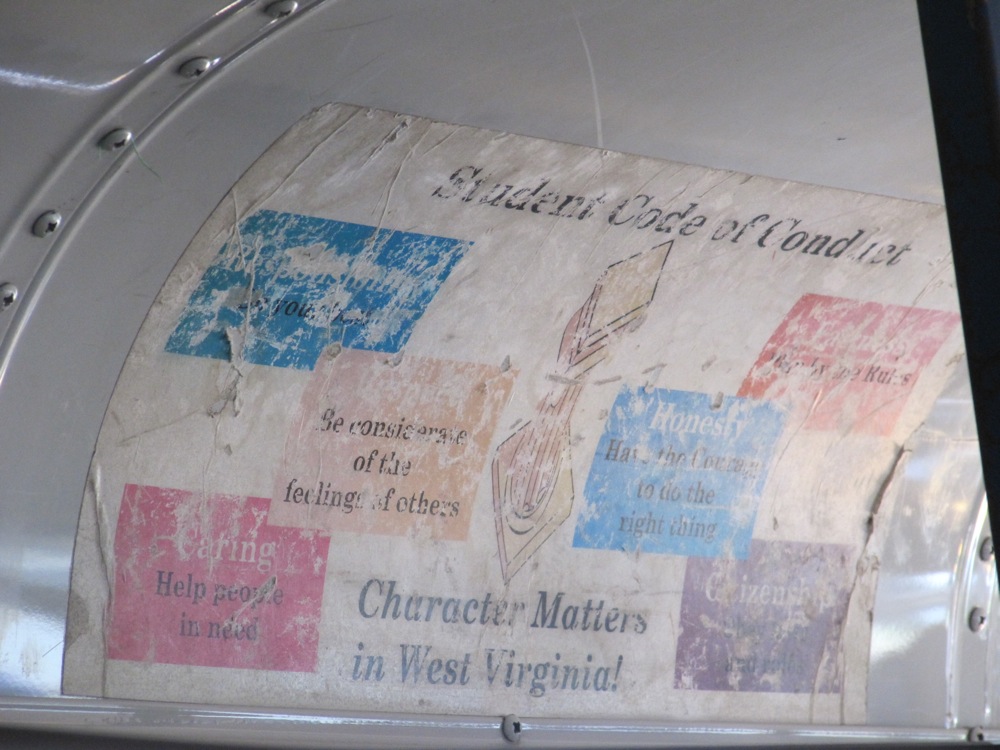
Gotta lova the out of place character development placards on repurposed American school buses.

45 minutes north of Matagalpa lies our destination: La Biosfera.

Lots of places fancy themselves eco-tourism resorts these days. Throw some tourists in a bamboo tree house with compact florescent light bulbs and you’re eco-lodging. But La Biosfera, located just south of Jinotega and run by an American woman named Suzanne, fits the bill in every way possible.

The first rule: no trash, or waste of any form that needs to be taken offsite. Garbage is compacted into plastic bottles and used as a building material. All forms of organic waste are composted.

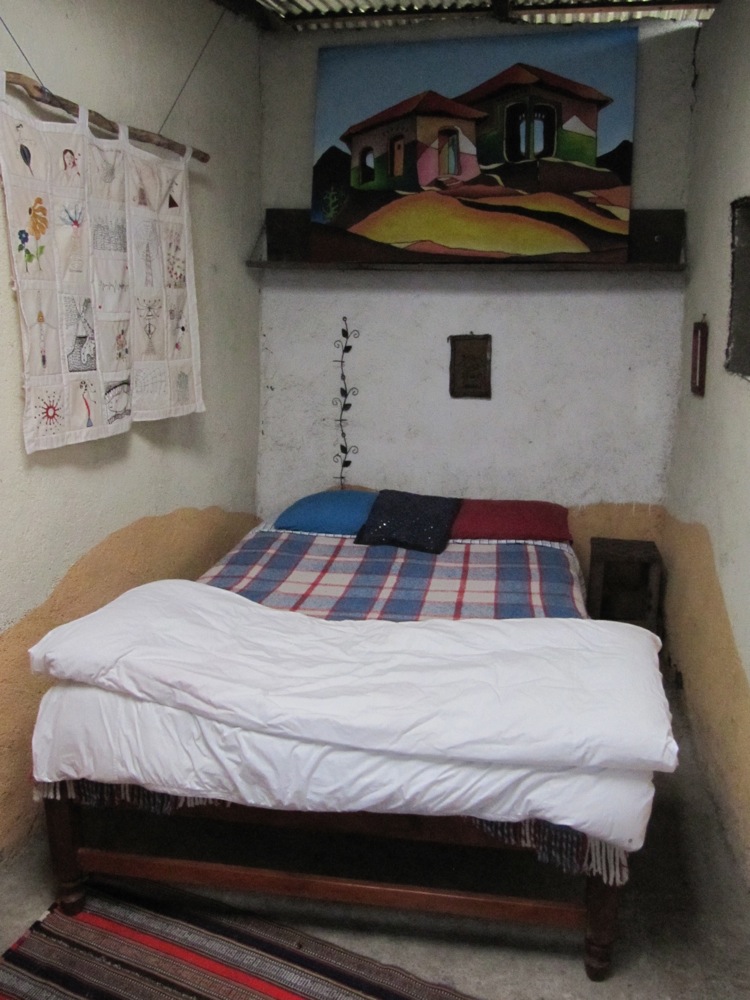
In fact, the resort really ought to absorb trash rather than generate it, right? Instead of using mattresses, bedframes are fixed with strips of old truck tires. Surprisingly comfortable.

Of course, many of the foods on your plate come from right within the property. All sorts of herbs and crops are grown, along with plenty of coffee.

The cozy accommodations, in a building that was built into the side of the mountain out of dirt-filled bags and clay.

And another thing that’s just a matter of personal opinion: there’s no fleet of staff 4WDs sitting out front, just a single motorcycle. The use of public transport to get there is not only possible, it’s practically obligatory. That’s doing an eco-lodge right, in my opinion.

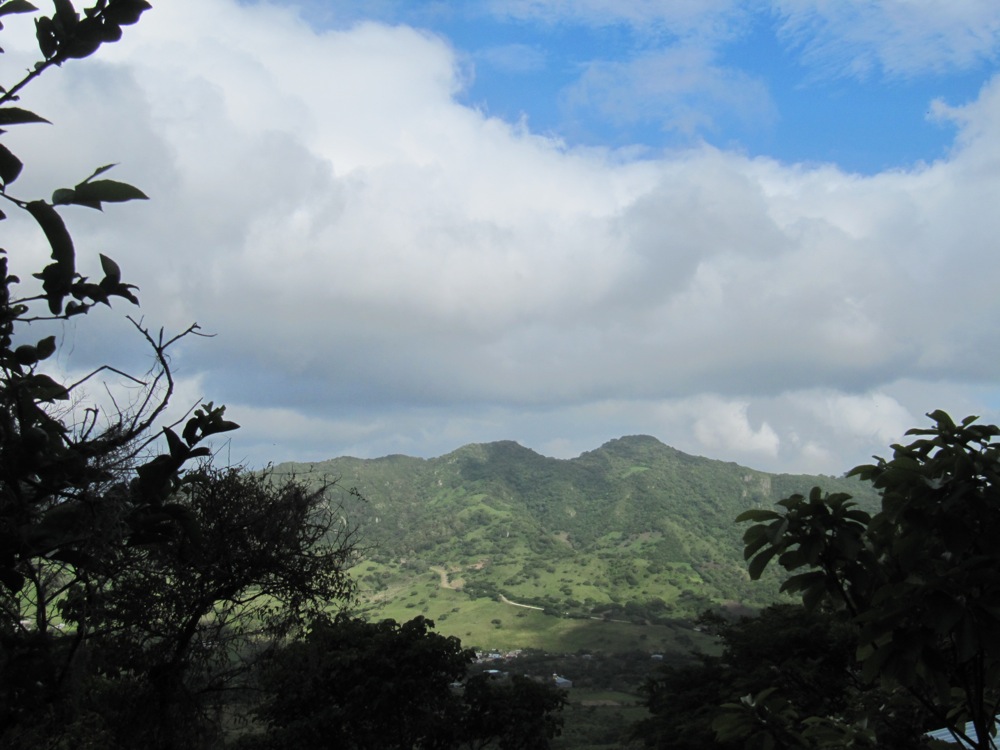
Fantastic mountain views from La Biosfera. With altitudes approaching a mile above sea level, it’s deliciously chilly at night.

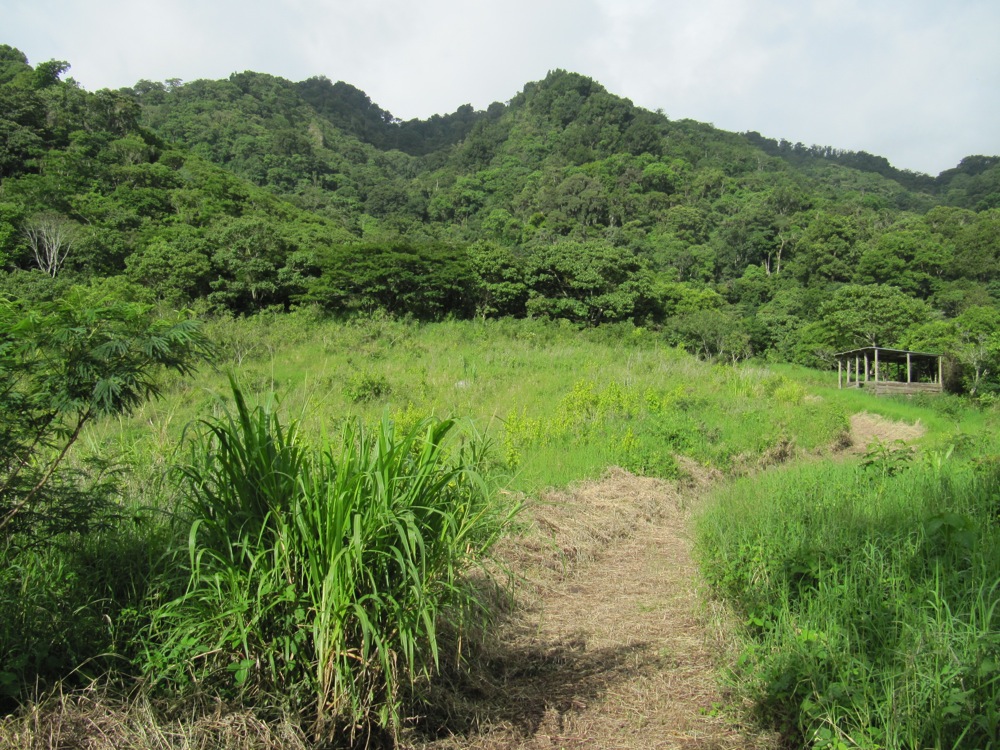
La Biosfera has about 20 acres of forest under preservation.

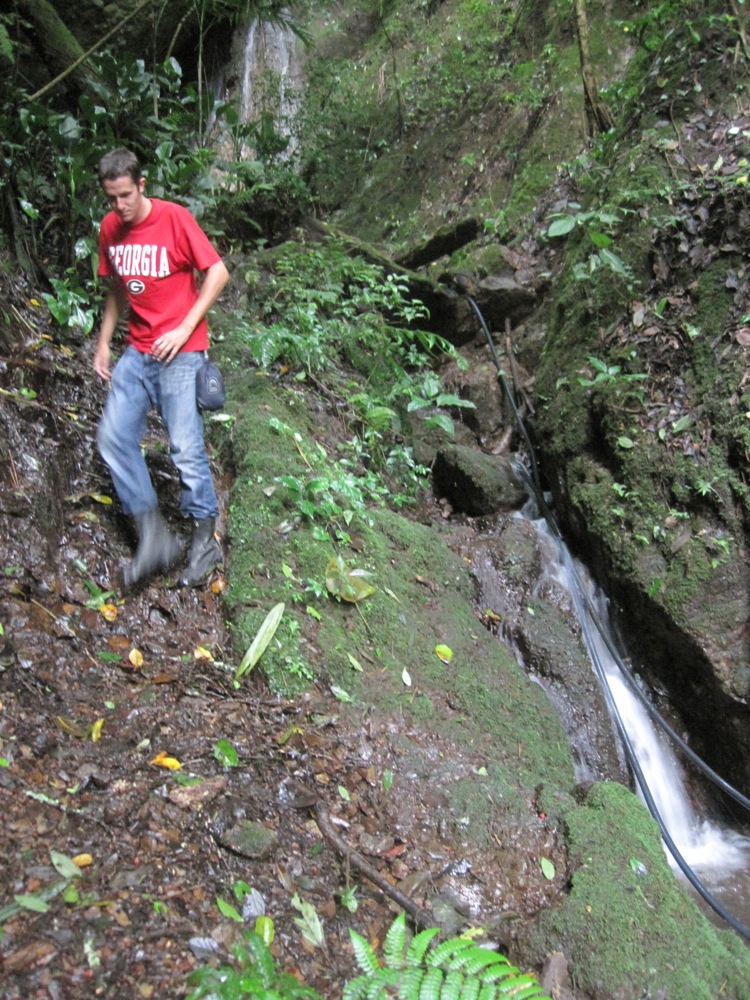
The area is open to hiking–rubber boots recommended (and thankfully included).

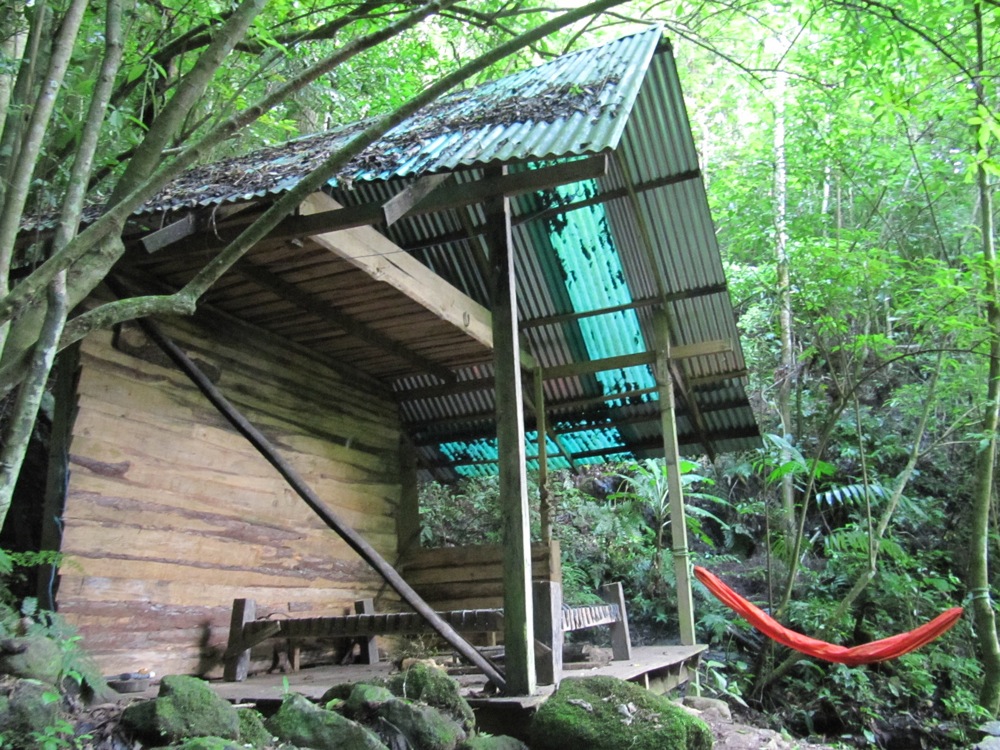
If the lodge doesn’t have you feeling quite close enough with nature, you can opt for an even more earthy accommodation, well out in the jungle (curtains and bedspreads are added, should you choose to stay there).

The original idea for the land was as a source for bottled spring water–it’s easy to see why. A small reservoir and network of pipes generates potable water for the whole facility.

At the end of the hike, a giant boulder sits eerily suspended above the ravine.

The boulder forms a substantial cave–a pretty spooky and fun place to hang out!

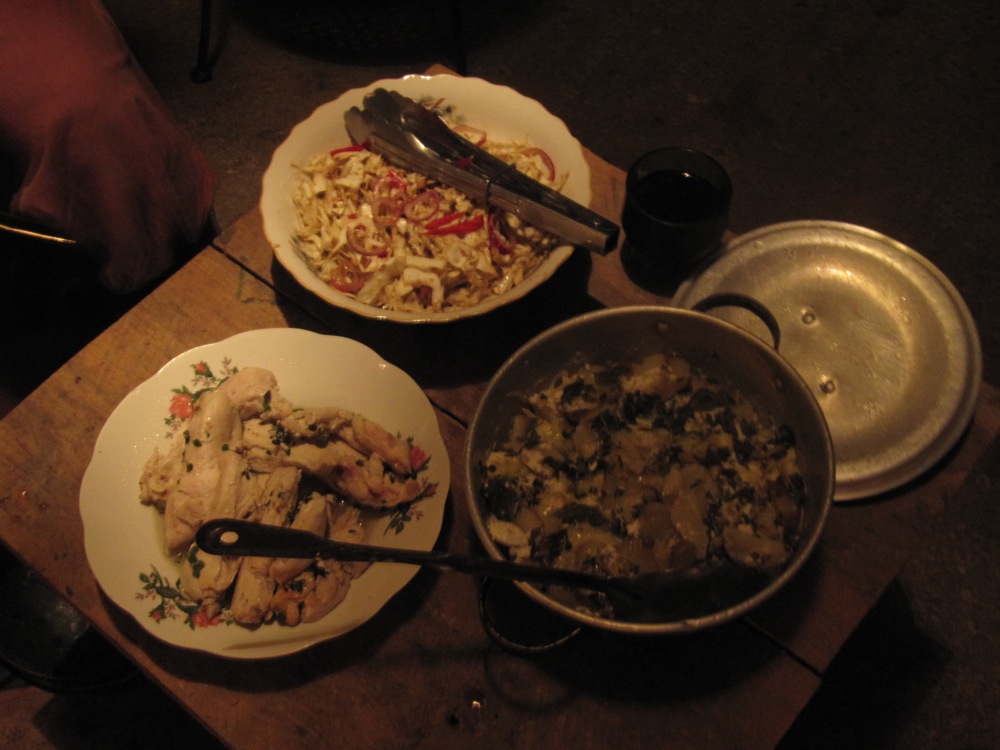
Not only does this take the cake for being our lowest carbon-footprint day, well, probably of our whole lives (although I think Mulanje, without electricity, can compare). The home-cooked dinner was, without a doubt, the best food we have had on the whole trip–chicken with thyme, a perfectly seasoned au gratin, and a cabbage salad with homemade passion fruit dressing. These simple yet incredible dishes are made from local ingredients as well as crops straight from the property. Suzanne’s motto is that she never makes the same dish twice.

Bon appetite!

Posted by: Caroline | July 12, 2012

San Jose de los Remates

After a couple of weeks in an undisclosed location (don’t worry, we will blog all about it just as soon as we successfully get across the US immigration desks), we landed in Mangua, Nicaragua. This country is kind of our home away from home. We have been here three times now, and we can’t help but compare every other country we visit to this Central American gem. You know those annoying people on vacation who keep complaining about everything because it’s not like home? Yeah, we’re that way about Nicaragua.

One thing we love about Nica: transport is so, so easy. Just hop on the chicken bus–an old school bus, no doubt now colorfully decorated with a combination of Looney Tunes characters and religious slogans, that will almost definitely have at least one chicken as a passenger. In most capital cities, taking an overpriced taxi to a transport hub is a harsh fact of life. That’s why it felt so, so good to walk 250 meters from the airport and hail a bus to Teustepe–a 1.5 hour journey for a mere dollar!

We were bound for the mountains. After a month of hanging out in the heat, we were ready for some cool highland mists.

In Teustepe, we grabbed a bus to the tiny town of San Jose de los Remates.And I do mean tiny: the population is 2,000, and we definitely got an eyebrow raise from the immigration official at the airport when we gave this city as our Nicaraguan address.

We got to San Jose at around 3pm–after waking up in a completely different country at 4am and teetering on mountain cliffs for several hours–and of course, the deluge begins. It’s rainy season, por supuesto.

I also haven’t mentioned that we had no place to stay, nor any idea if there even was a place to stay. We came here because our guidebook said something akin to,”This place is great! Off the beaten track! The mayor is cool and can tell you about good hikes!” That morning on the plane, when we realized we really should start planning our itinerary, we had felt so adventurous! Now, my belongings and self soaked, I didn’t feel quite so adventurous.

Thankfully, some guys at the local FSLN office (Daniel Ortega’s party) invited us in to wait out the storm.

Afterward, we found out from the mayor (who did live up to the guidebook’s cheery assessment) that we could stay at Rincon Chepeno–complete with resident pig.

After setting our (wet) stuff down, we explored town.

Didn’t take long!

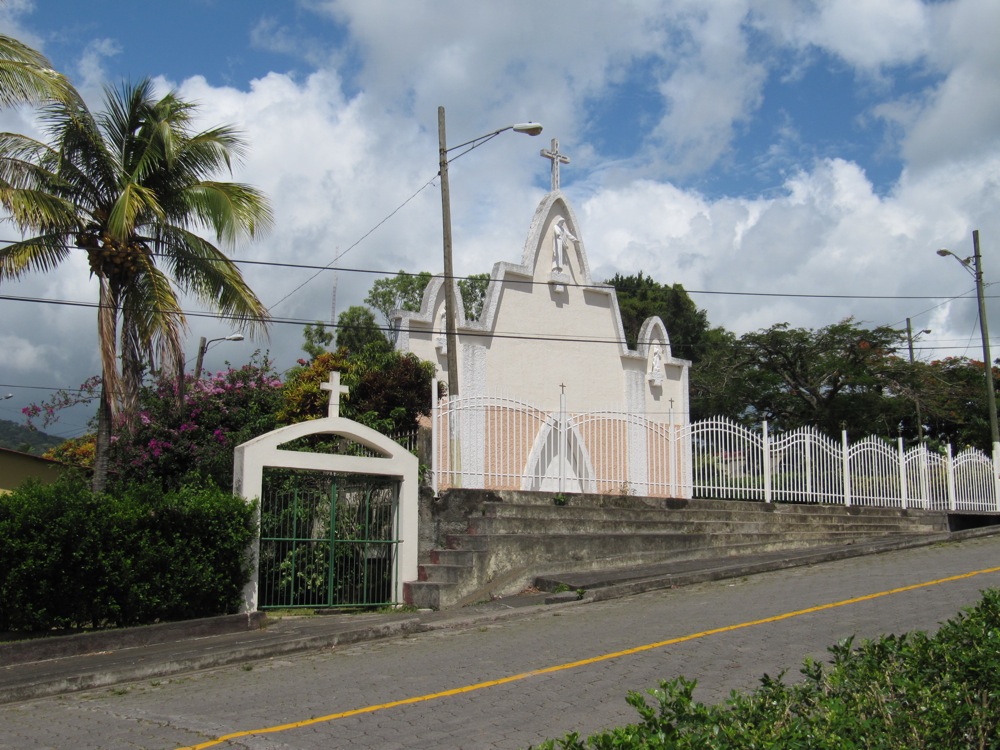
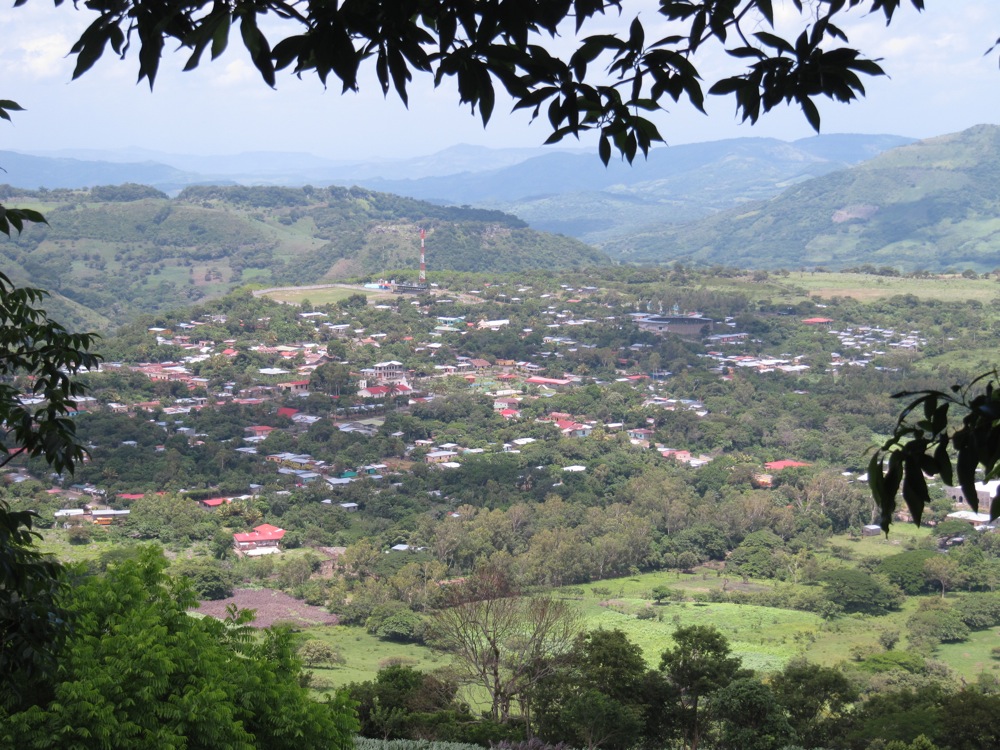
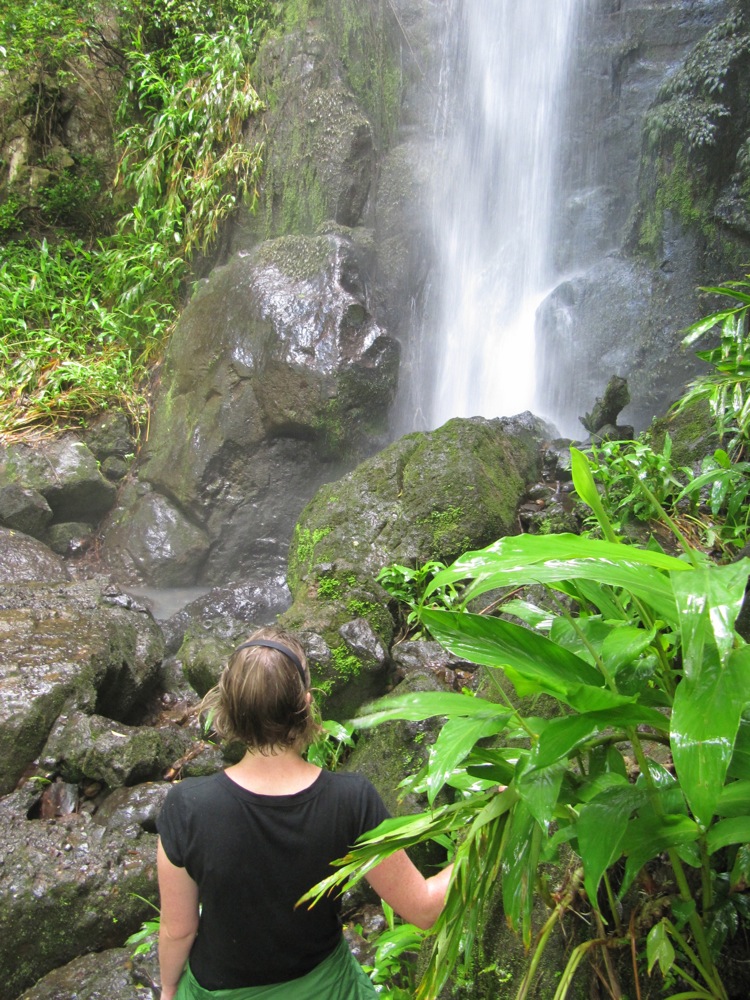
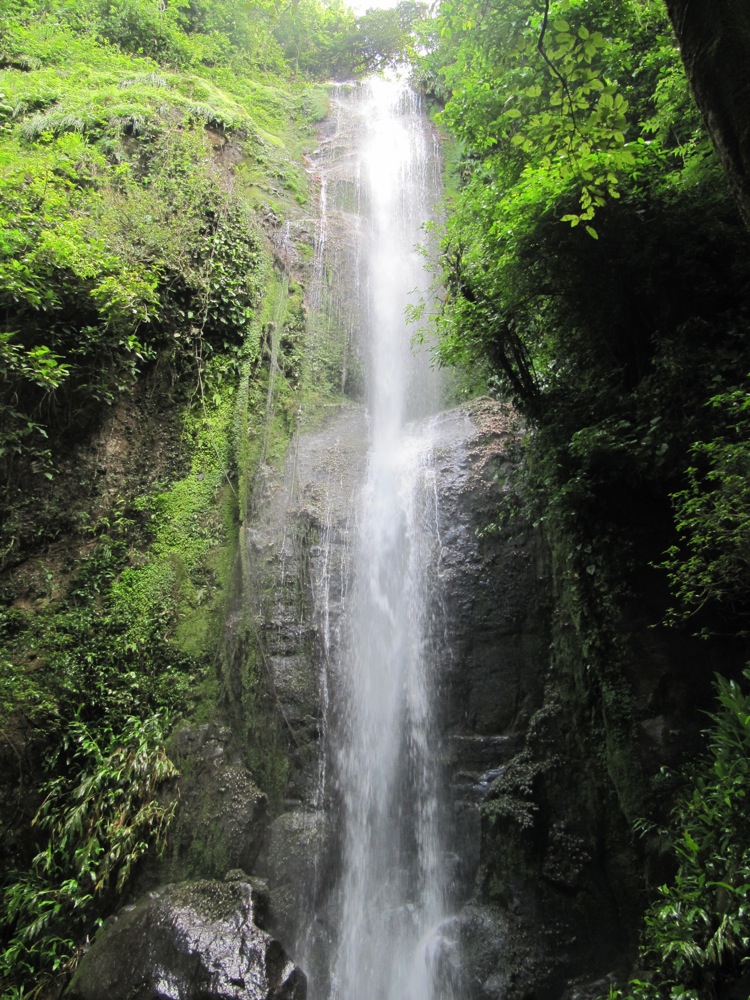
The main reason to come to San Jose is for the hiking. The mayor set up a guide to take us on the Ruta de los Charros, a 3-hour hike through cow pastures, banana and coffee farms, plus a healthy dose of mud.

The view of San Jose.

The hike had a few tight squeezes. Worth it.

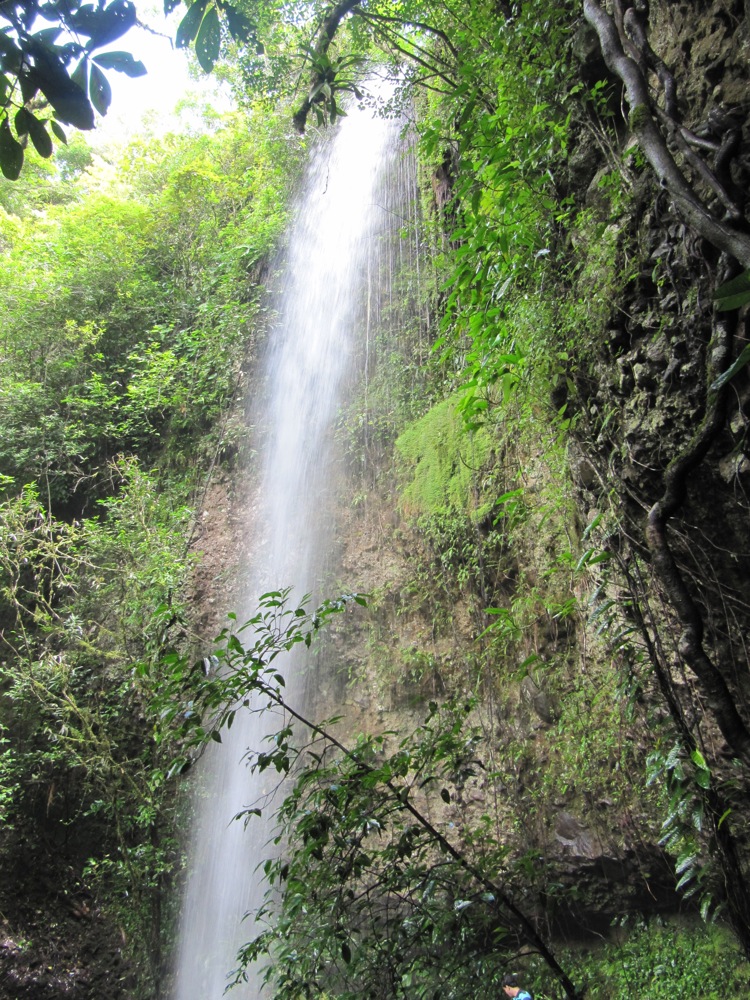
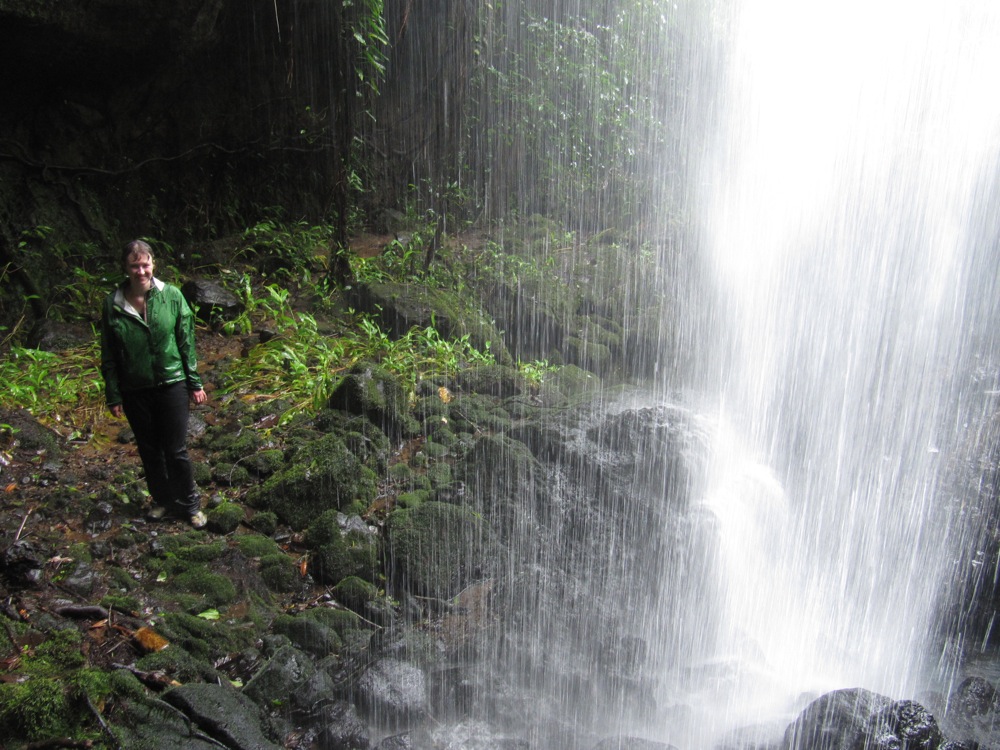
The First Waterfall

The Second Waterfall


The Third Waterfall

The perfect first stop on the Ruta del Cafe. Next stop: Matagalpa.

Posted by: Alex MacGregor | July 10, 2012

Santo Domingo Revisited

Our onward journey required us to make another stop in Santo Domingo. This was no bother, considering we really needed to get some things that are difficult to come by outside the capital.

Topping the list was sunscreen. We just didn’t bring enough.

Also, I stupidly left my computer charger in Haiti. For an Apple laptop. An expensive and annoying problem under the best circumstances. A real pain to acquire in a developing country.

Our guagua from Las Terrenas arrived in the gritty commercial area north of the Zona Colonial. The taxis in Santo Domingo are a complete pain to use. Usually taxis are either expensive or dangerous–normally it’s a tradeoff. Here, they’re both expensive and dangerous. The guidebooks say “Just have your restaurant/hotel/whatever call a cab.” Ah yes, so simple! I wonder if my minibus arriving in a sketchy market area will call us cab, as they usher us out onto the street?

After getting wildly inflated prices to ride the 6 blocks to our hotel (US$8? Really?) we just decided to walk it.

Now is probably not the right time to ignite the eternal pan-American debate about what constitutes a lime and what constitues a limon.

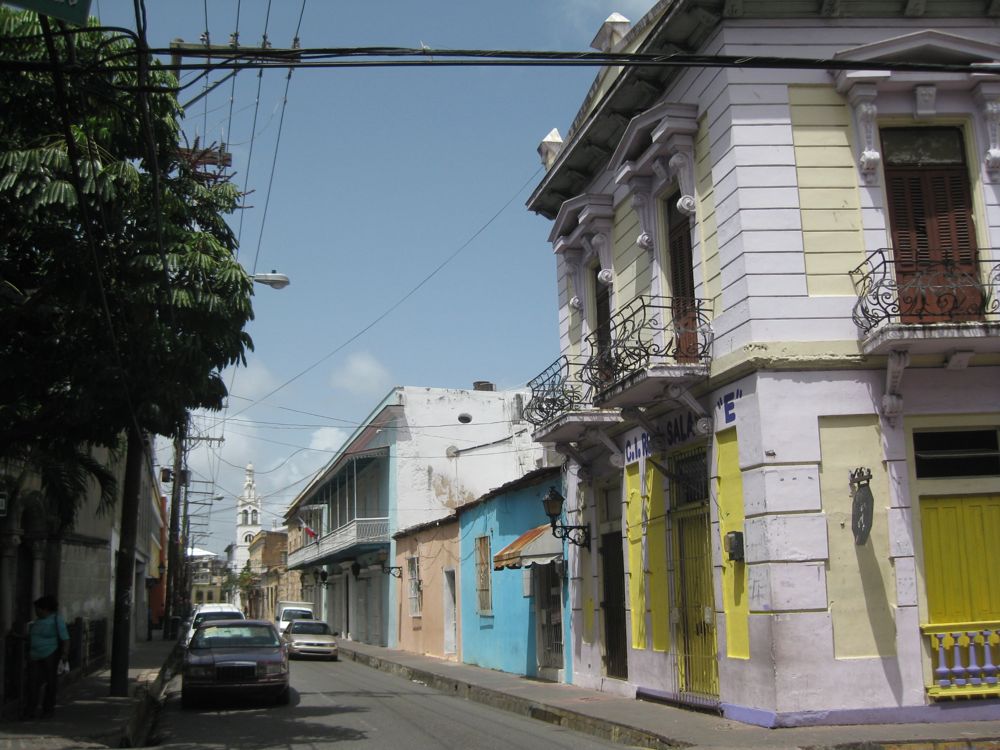
Ahh, back in Zona Colonial.

Our first objective was also the hardest: obtain a new computer charger.

First, we tried checking out the big tech shops north if Barrio Chino (Chinatown) we had seen walking back from the guagua earlier, thinking we might get lucky. It was our second visit to the area that day.

Nada. Not an Apple product in sight. Time for Plan B.

The internet is full of hints about an Apple Store in Santo Domingo (I use “Apple Store” loosely–I’m not talking about an actual Apple Store, but rather a local dealer of sorts). Do you count on a random forum thread from 2010 describing an Apple Store? Or a more recent Foursquare check-in at another place called “Apple Store”, with no description or information?

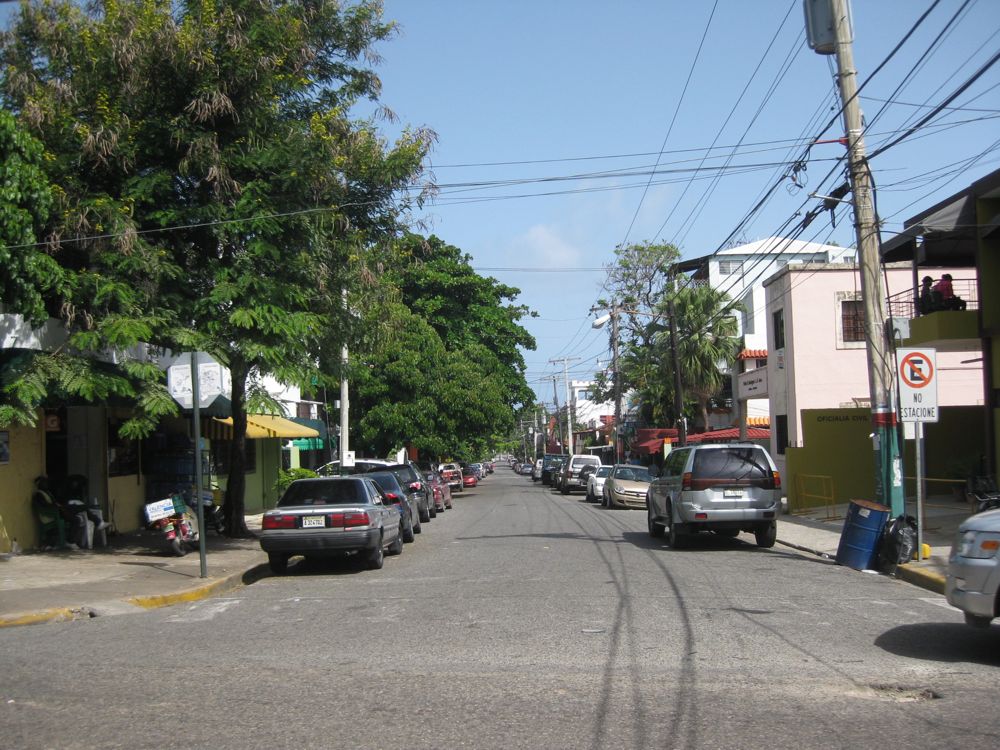
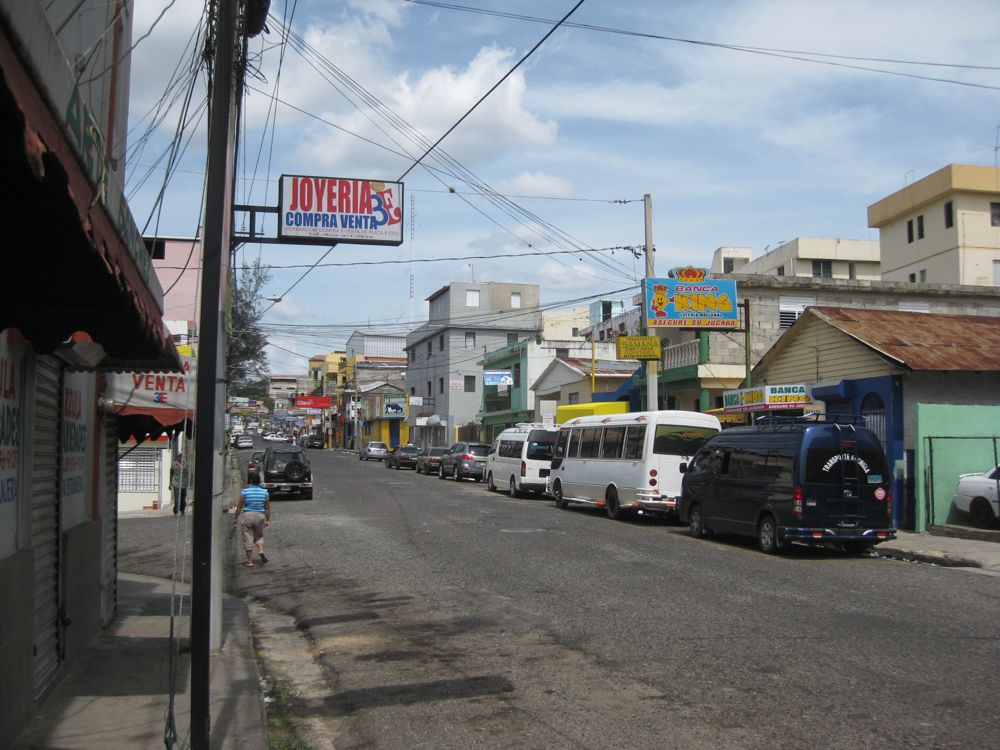
We opted for the Foursquare option, and set off across town on foot looking for it, walking for about half on hour on streets that look like this. It was extremely hot and sunny.

I only wish this were actually true.

As we were turning onto the street it was supposedly located on (Bonito Moncion at Santiago, for those who found this using Google Search), we joked about the odds that we would actually get a working charger out of this (that the store would exist, be open, and have the charger).

Miraculously, it does exist! The store was even open and had the charger. The trying journey caused us to cave in and buy some wildly overpriced Baskin Robbins, but all in all it was a success.

With that ordeal behind us, our next task came into view: obtaining sunscreen.

Getting sunscreen in a developing country is a real racket for a number of reasons. Suffice it to say it’s almost always imported, and it’s something mainly used by tourists with money to burn. Remember the $40 bottle of sunscreen in Malawi?

Another problem: being in Zona Colonial, it’s not exactly like we’ve got Wal-Mart sorts of shopping opportunities around. We saw a Carrefour (the French Wal-Mart equivalent) way out in the suburbs from the bus–surely they’d have an appropriate sunscreen–but I can’t even imagine how much time and money it would take to get there.

First, we checked a pharmacy. The choices were comical: the most suitable option was a small $10 bottle of SPF 4. We were going to need a bigger store.

So where do we turn but our trusted Barrio Chino and surrounding commercial megadistrict?

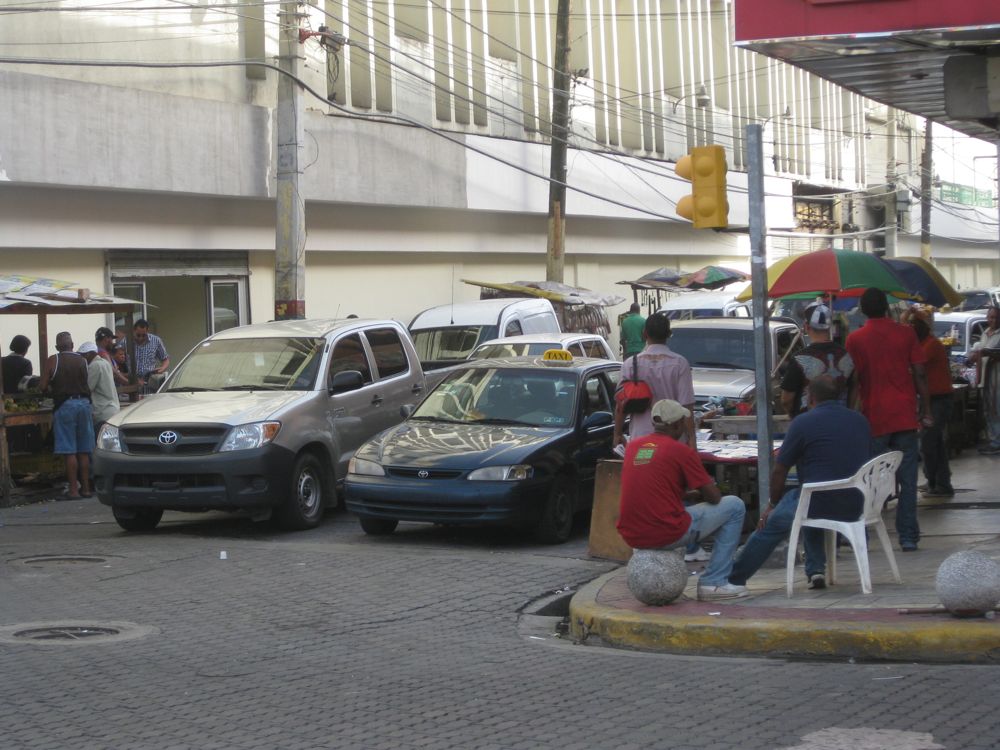
On our third visit of the day to the neighborhood, we got the local shopping experience down. There are a whole lot of really, really big stores, selling stuff almost exclusively to Dominicans. The further north you get, the more it becomes a market rather than formal shops.

This one looked promising–it seemed to specialize in personal products.

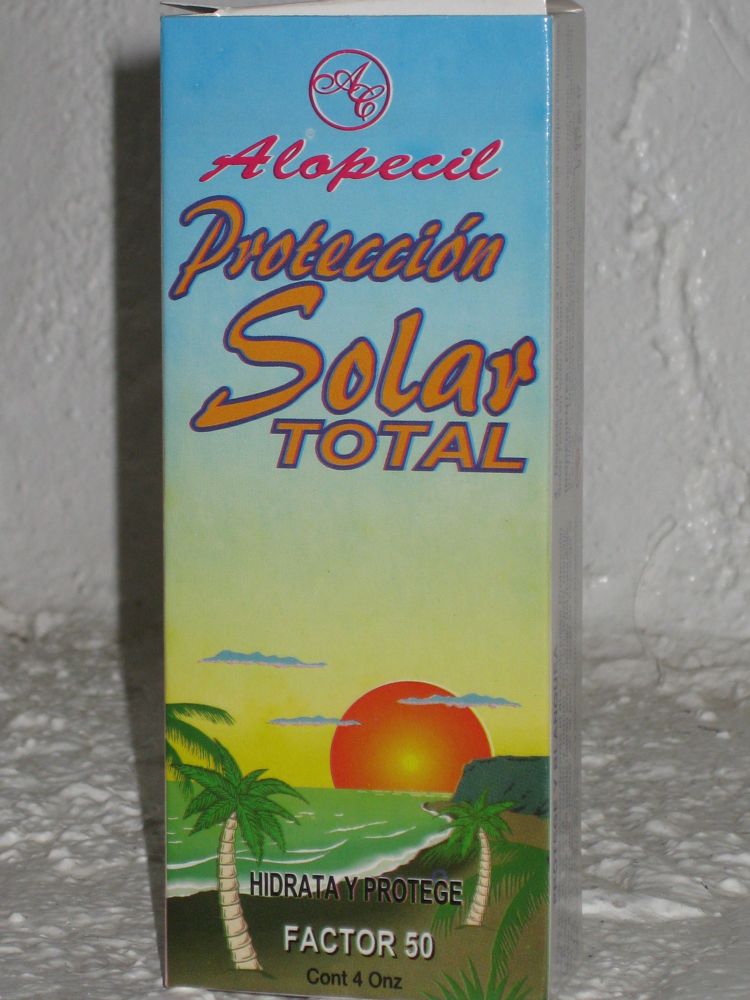
Success! As long as “Factor 50” is more than just a cool-sounding tagline, I think we’re in business. At $4 a bottle, it’s definitely a way better bargain than I was expecting.

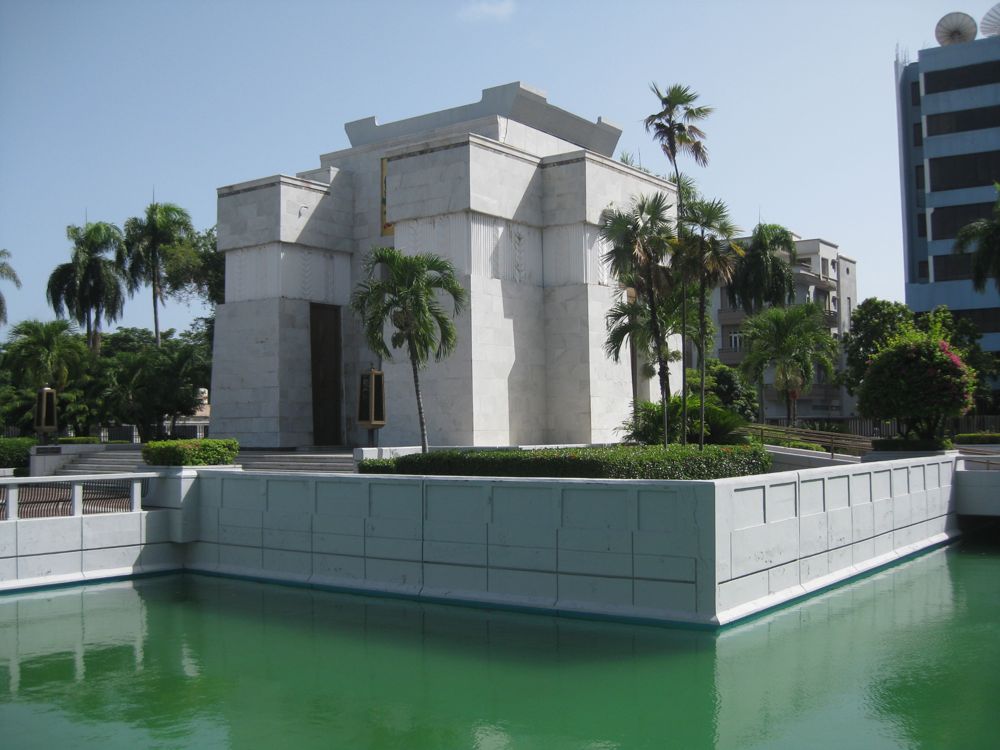
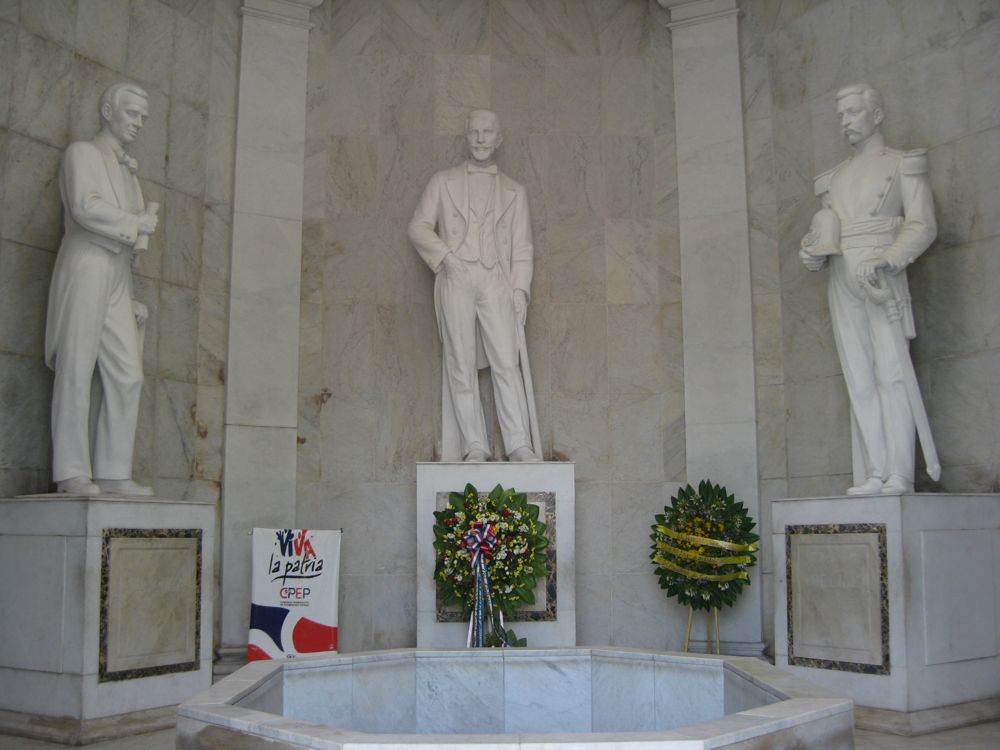
Throughout accomplishing these tasks, we came cross some tourist sites. This is the Independence Monument.

The old gate in the city walls, separating the Zona Colonial from the other zones.

Also, the first time I posted about Santo Domingo, I feel I didn’t give the main square enough credit. It’s beautiful and leafy green.

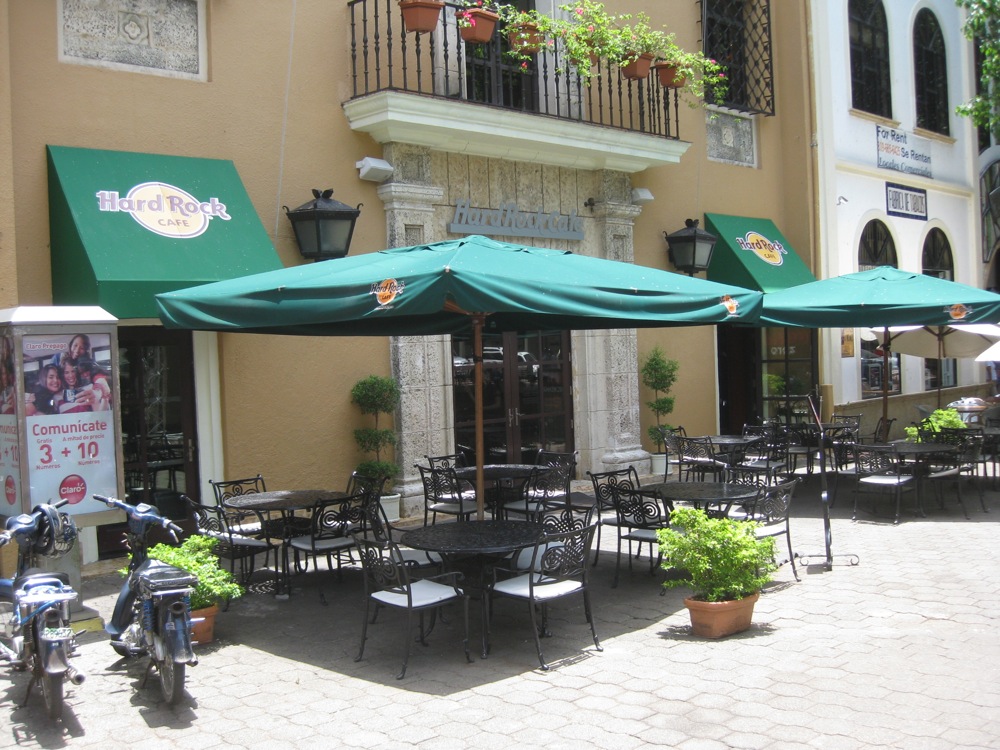
It also happens to be the epicenter of Santo Domingo’s main nightlife scene, which appears to be anchored by the Hard Rock Cafe. During the day, it serves gringo families hamburguesas; at night, it turns full-on nightclub. Don’t laugh–there was everything a flashy nightclub ought to have. Lines, papparazi, cover charges, the works. Someone at Hard Rock definitely deserves points for successful marketing.

Hasta luego, Hispanola!

Posted by: Caroline | July 7, 2012

Las Terrenas

The first night we were in Haiti, I was genuinely terrified. Fast forward to our last night in Haiti, and I was trying my best to persuade Alex that we should stay longer. The country is super charming, and even though traveling there is strenuous (at best), you really feel like you’ve earned it once you eventually reach your goal (a secluded beach, a famous fortress, or a cheap meal that doesn’t make you ill). We had already extended our stay once, though, so we decided to take the Caribe Tours bus back to the DR, stopping first in Santiago and then hoping to catch onward transport to the beachy and mountainous Peninsula de Semana.

Our taxi driver dropped us at this guagua station, and we squeezed our backpacks and legs into the densely packed seats (for each inch of your height, public transport becomes exponentially more difficult). We weren’t able to get a bus exactly where we wanted to go (a small fishing village on the very eastern tip of the peninsula), so we chose a bus that got us to nearby Las Terrenas. We had read about it in the Lonely Planet, and it didn’t sound thrilling, so we expected to stay the night and leave early the next morning.

Until we saw the beach, of course. The perfect place to stretch out a towel and finish our novels (Alex is on The Fault in Our Stars per my recommendation, and I am finishing The Red House, Mark Haddon’s new book, per his).

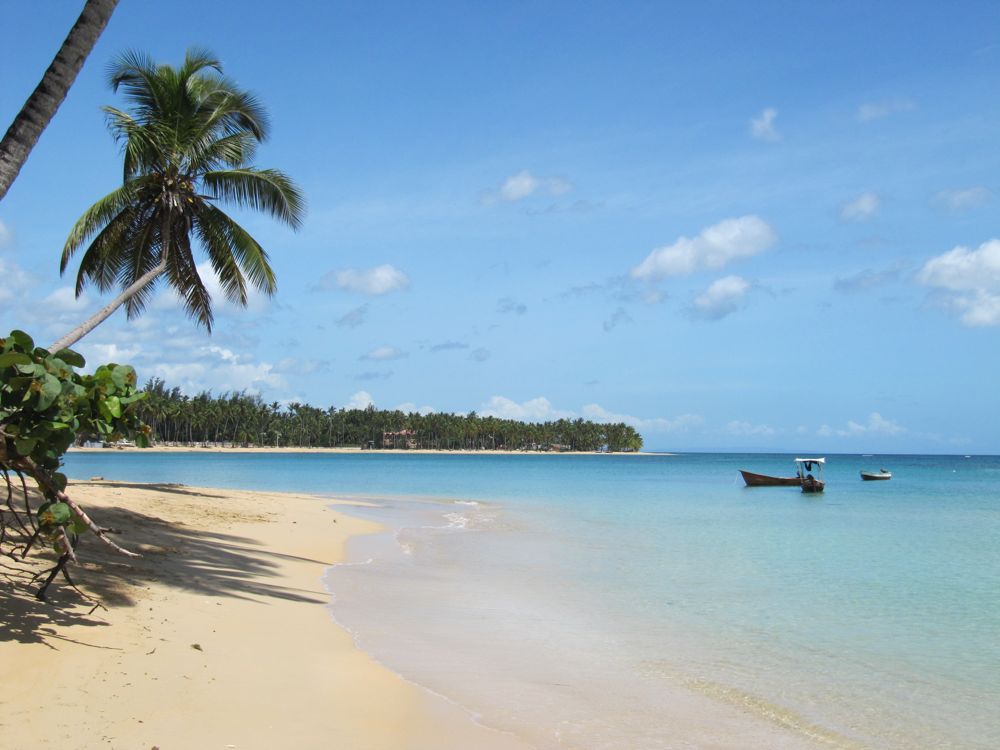
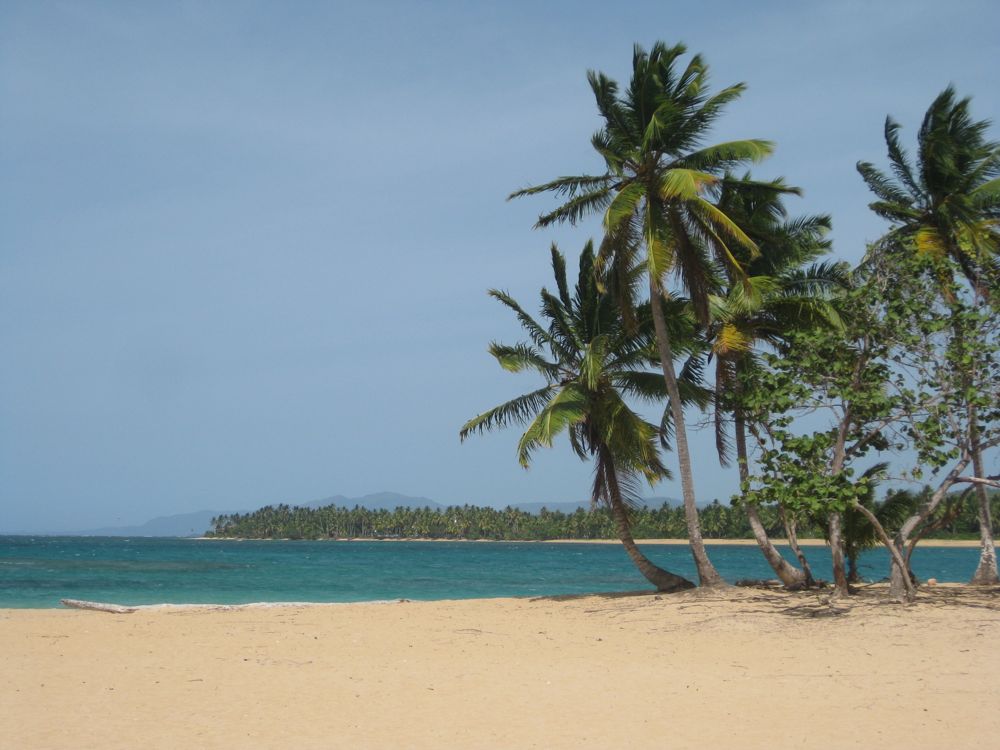
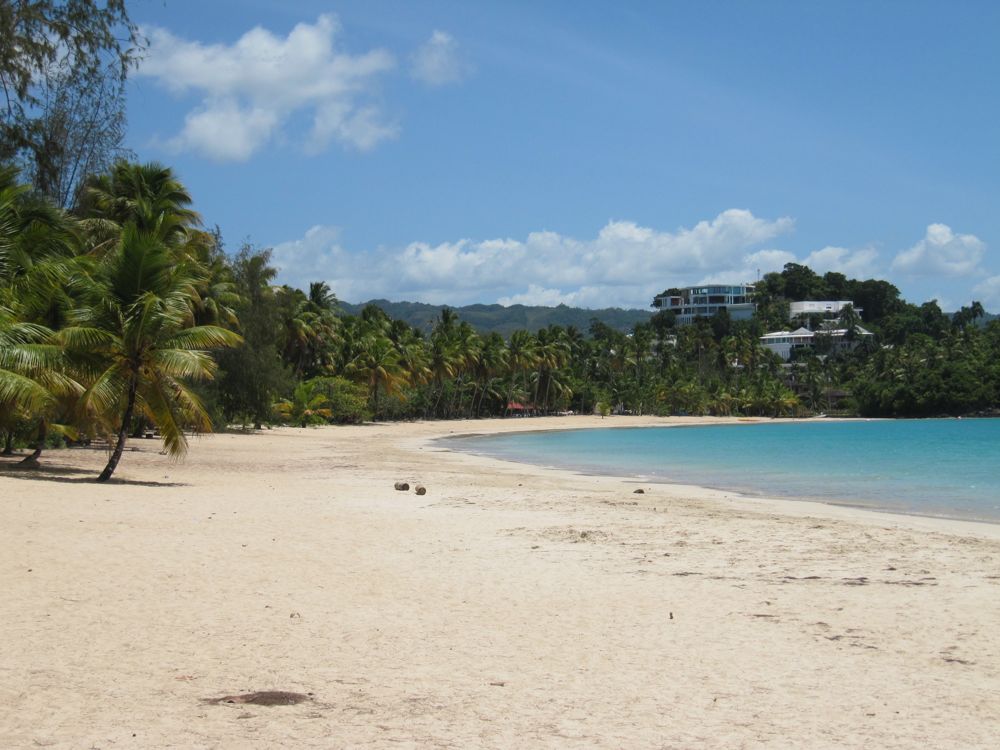
It’s the quintessential beach experience. Fine sand stretching for many kilometers in either direction, fringed with palm trees, ample coral, transparent and refreshing water. Even when we swam out to depths of twice our body height, we could see to the bottom.

One of the reasons we were initially discouraged from coming here is the heavy European expat presence. However, the Euro influx has actually led to an elegant mashup of Dominican and European culture. The town doesn’t feel overrun by tourists, and there are no airbrushed T-shirts. Europeans and Dominicans are seen chatting together at cafes or riding through town on their motorbikes.  It feels like a very tranquila seaside city that just happens to serve as many baguettes as it does pollo con arroz.

Even more fun is the fact that Americans are a rarity here (possibly explaining the lack of airbrushed T-shirts).

Locals would ask us these questions in order every time:

¿Habla italiano? 

¿Habla frances?

¿Habla aleman?

And only then…

Ahh! Inglaterra! 

Moral of the story: If you’re not Dominican, Italian, French, or German here, you must be from England.

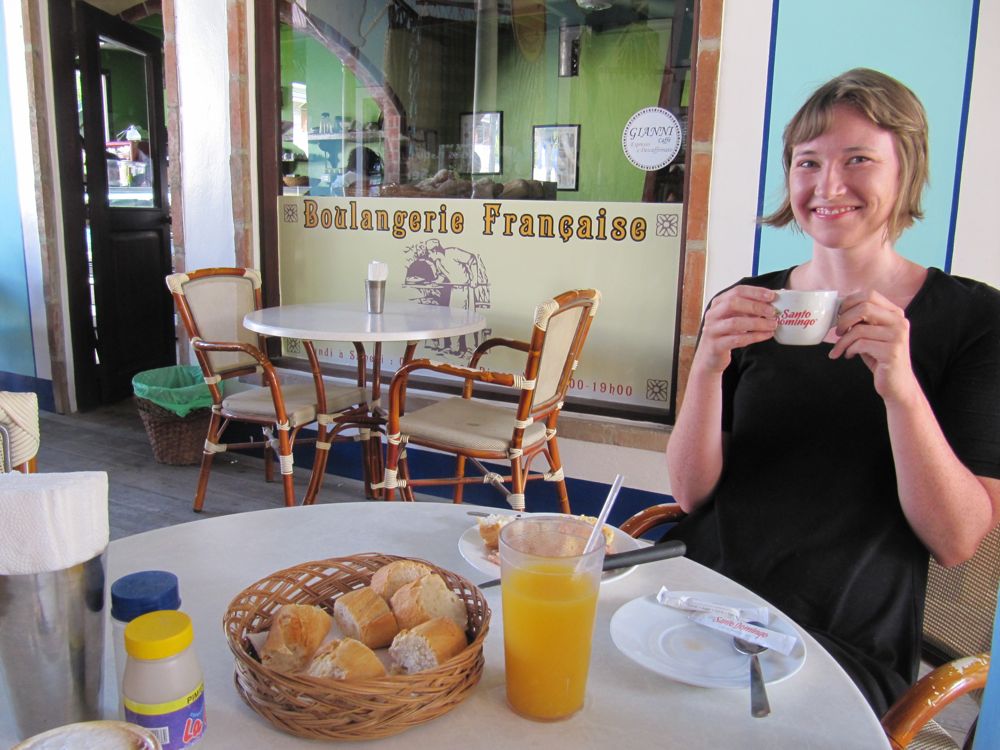
Don’t get me wrong: I love a good plato del dia from a comedor serving up chicken, rice, beans, and plantains. But after having that 17 times so far this trip, I was ecstatic to find this French bakery that churned out quality pastries and delicious cappuccinos.

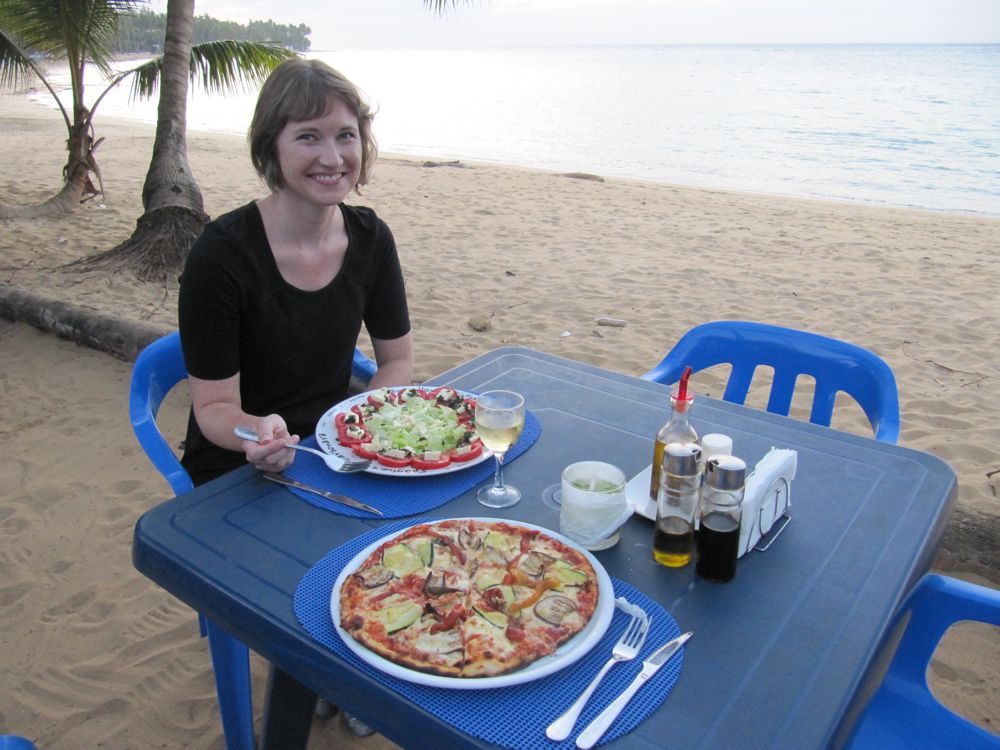
There’s also an Italian pizzeria on nearly every corner. We’ve been craving some vitamins–although we’ve been eating some mind-blowingly delicious fresh mangoes and pineapples, vegetables are few and far between on this trip–so this pizza with thinly sliced eggplant and zucchini was well-loved and devoured.

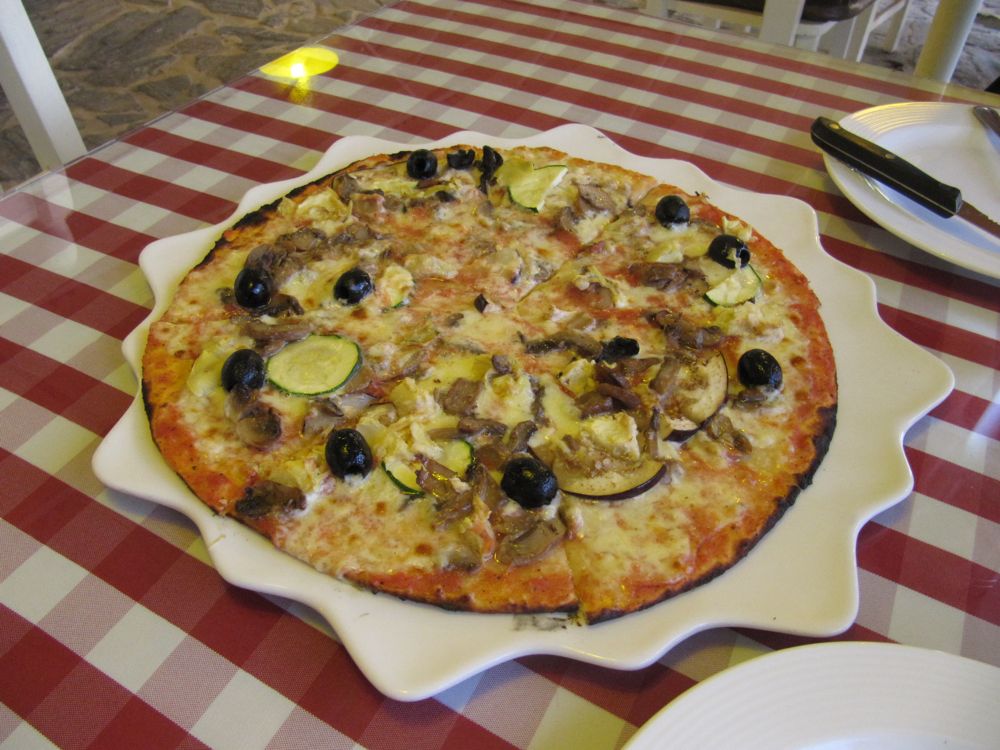
We tried a similarly perfect pizza at another place, solidifying in our minds that pizzas here are, by default, amazing.

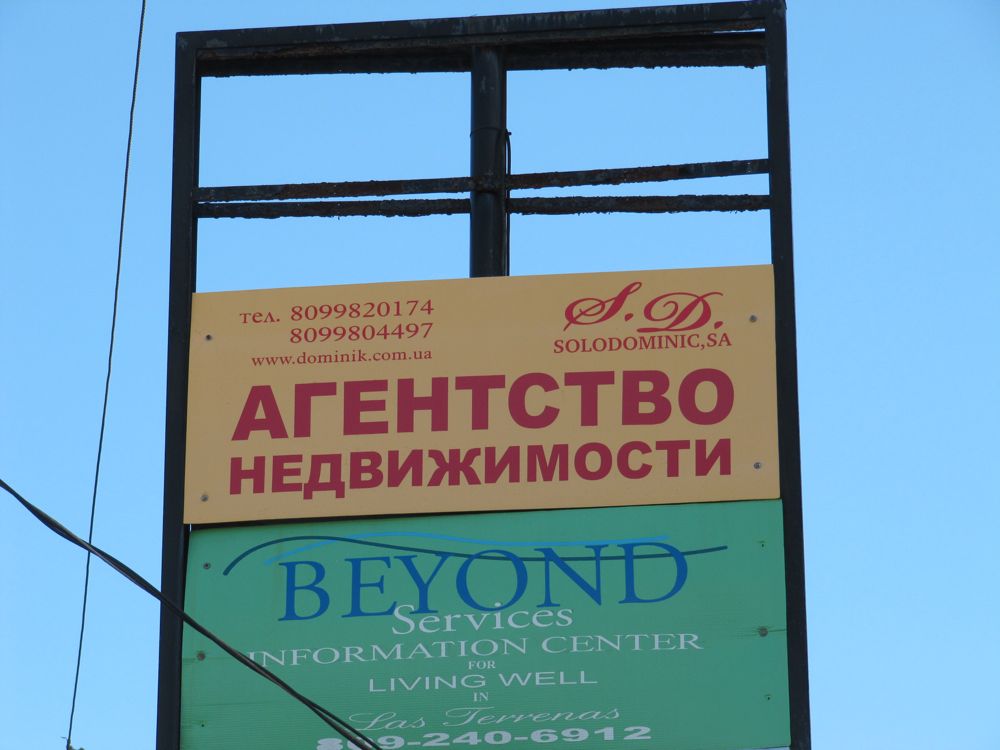
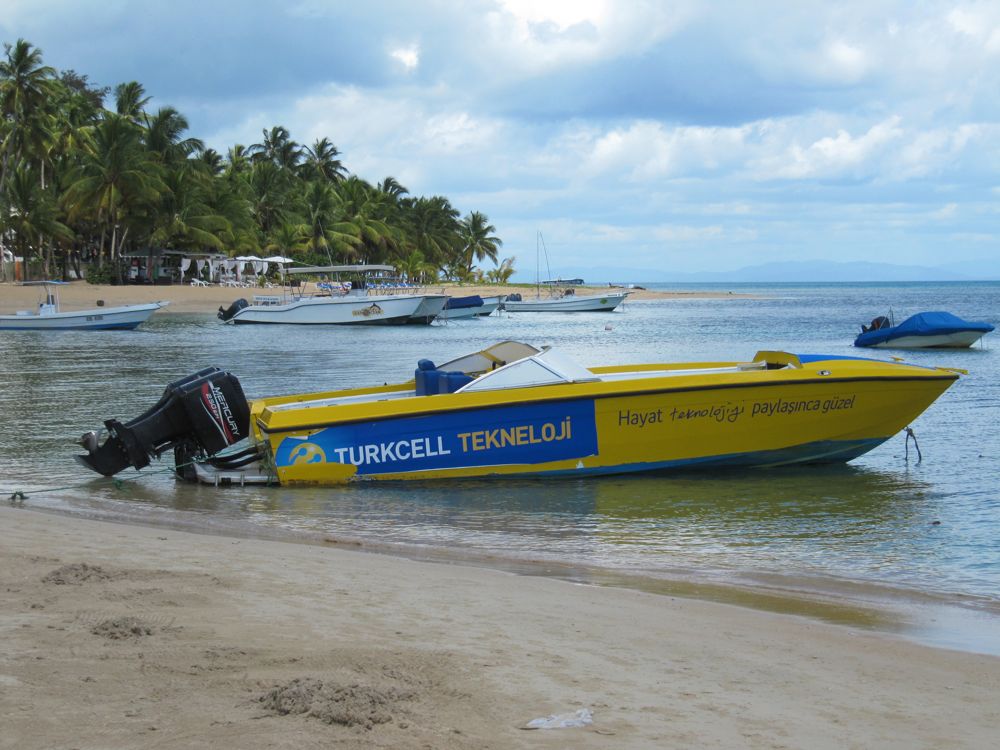
A few other hints of international presence.

Haven’t seen that language in a while!

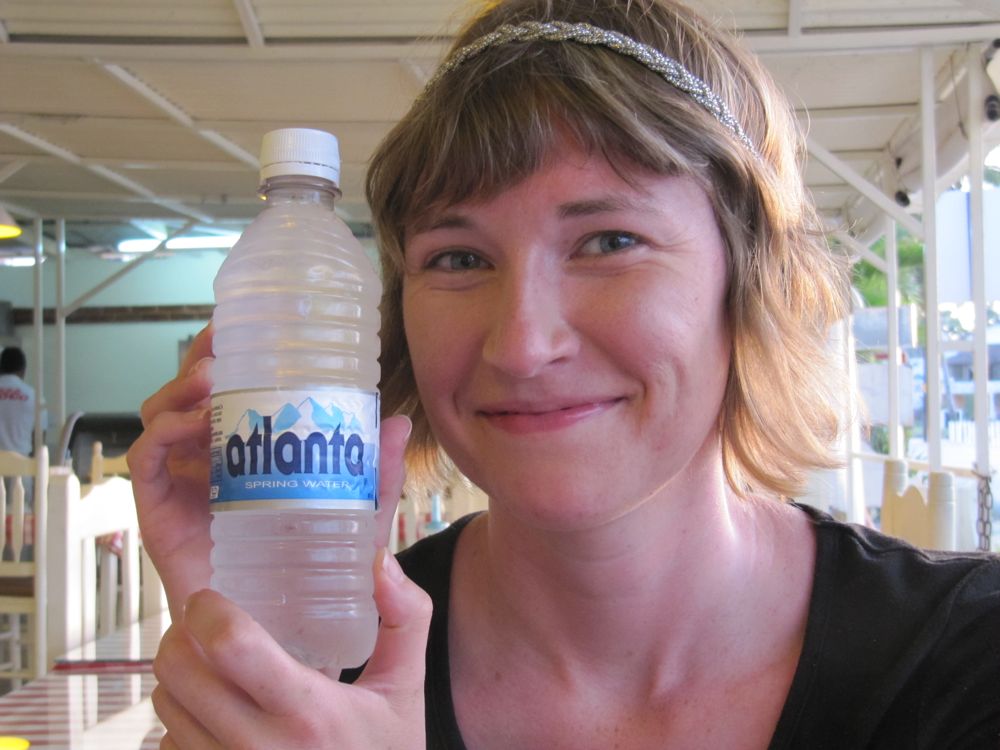
Even some Atlanta-brand water to remind us of home.

Unfortunately, tragedy recently struck Las Terrenas when the restaurant district–a collection of thatch-roofed fishing huts known as Pueblo de Los Pescadores serving up the best food in the city–burned down in a May fire. The tourism board is supporting a quick rebuild, but they’ve still got lots of work ahead.

One thing Alex and I like to do is think about which of our friends and family would enjoy certain places on our journeys. Traveling on uncomfortably crowded mini-buses is not for everyone, after all (and sometimes I even wonder if it’s for me!). But this is definitely a place with broad appeal. You get your clean, calm beach; inexpensive but delicious restaurants; a healthy dose of Dominican culture if you want to practice your Spanish or sample local flavors; an equally healthy dose of European culture if you want a little taste of Italy without crossing the Atlantic; and even if you tire of those aquamarine waters, you can quickly escape to the nearby mountains or to the more purely Dominican outskirts of Las Terrenas (as we drove into town, we noticed a lot of convivial Sunday afternoon parties outside of gas stations. Awesome. Why don’t we have those in the U.S.?).

Posted by: Alex MacGregor | July 4, 2012

Cap Haitien Pati De (Part Two)

Now that we’ve spent a bit more time in Cap Haitien, it seems like it deserves a second post.

For starters, we finally got some good weather and sunshine. A mixed blessing, it turns out, since with the sun comes the heat.

Wondering what the town looks like? I took a video as we rode on a moto-taxi. Cap Haitien in all its glory.

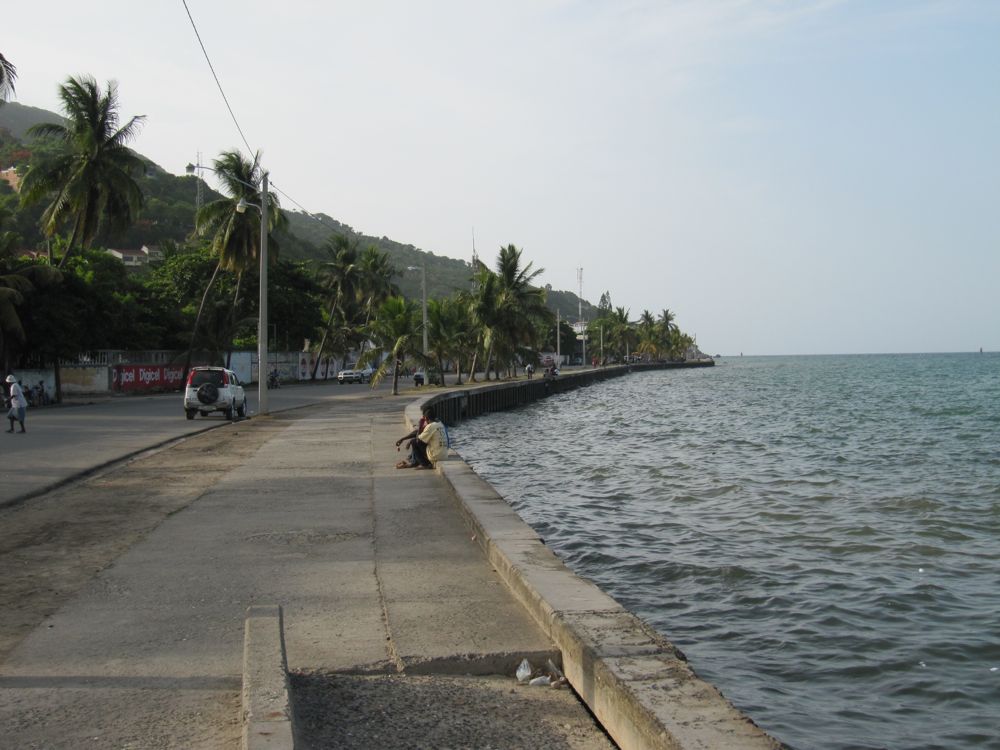
The Malecon looking a lot more inviting in the sunshine. Swimming from within the city is out of the question–it’s almost torture being so close to the blue sea on a hot day, and without any swimming beaches nearby.

The question many of you are probably thinking: is Haiti safe for travel?

I’m actually surprised by how safe it feels. Only a couple times have somewhat aggressive people come up to us on the street. Both seemed out of their minds on drugs. That’s actually not bad for a big city like Cap.

Beggar kids are not that much of an issue, comparatively. I guess because there isn’t a steady enough stream of tourists to target. In places like Nicaragua, you get kids who are trained and groomed specifically to make tourists pity them and open their wallets. Here, it’s normally the kids who walk around washing people’s cars who seriously ask for a dollar (a Haitian dollar, about US$.10). Regular kids sometimes ask for a dollar, then when you say no, they and their friends erupt in laughter. It’s more of an “I dare you…” sort of thing than actually wanting the cash.

By the way, the currency situation is difficult.

Haiti’s currency is the Gourde. 40 to the US dollar. Easy enough. But the “unofficial” currency is the Haitian dollar. 5 Gourdes equals one Haitian dollar–and it’s the same exact money. A 100 Gd bill would be called a 20 dollar bill. The more official businesses tend to quote prices in Gourdes, while everyone else quotes in Haitian dollars. So when you ask how much something is and someone says “25”, you’ve got some math to do, and you don’t want to look like a fool by paying a fifth or five times what it actually costs. Haitians must be the best people in the world at multiplying and dividing by five.

But when they say 25, they’ll say it in Creole. The numbers are kind of like French, but with some big exceptions. So just hearing the number can be a chore, especially when the word for “one hundred” (“san”) often just blends into the rest of what they say. “San vent senk” (125) can sound almost exactly like “vent senk” (25).

Then you’ve got the issue that ATMs only give you 1,000 Gd bills. US$25. Breaking one of those requires careful planning. But that’s a problem that happens in a lot of different countries.

Cap sits at the bottom of a pretty impressive mountain. There is a trail to Labadie village on the other side, although it takes several hours to get there.

Fantastic chicken, brimming with flavor, in Creole sauce.

We’ve talked a lot about tap-taps. This is what they typically look like–essentially just an old pickup truck with a covered bed. People and cargo go inside, and more cargo goes on top. Tap-taps are sometimes more basic than this, without the top.

To people who drive trucks: Will this be the fate of your pickup truck? Is your old pickup truck now living a radically different second life on the streets of Haiti? It’s actually somewhat plausible.

What with all the crazy traffic and narrow streets, it seems likely a car will eventually hit any given building. What better to protect it than a 200+ year old cannon, lodged into the concrete?

In Cap, some sort of educational institution seems to be on every block–whether s primary school, secondary school, or college. And school tends not to be free, no matter the level. These prices for college courses would be in Haitian Dollars, so a 5 month course in mass media journalism would cost 1,000 Haitian Dollars, which is 5,000 Gds or US$125.

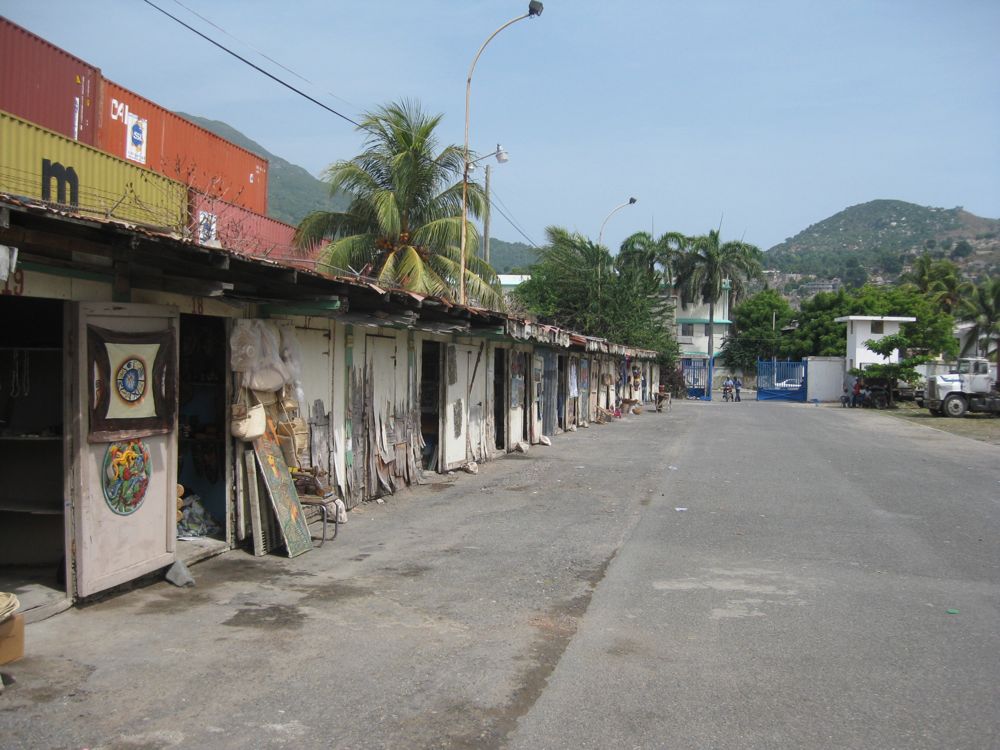
Tourist Market Cap Haitien

Near the port, you have a completely different type of market from what I talked about in the other post. This one is rather clean and nice. It’s where the expensive, imported goods go for onward distribution after they get unloaded from the ships.

Yet another very different sort of market, also right next to the port (note the container stacks). This is the tourist market, where arts and crafts are (theoretically) sold to tourists. It’s gigantic–this picture probably shows about a third of it. And we were of course the only tourists in sight, with dozens of vendors competing for our attention. Still, the vendors were pretty tame compared to Egypt or Vic Falls, and generally respected if you wanted to look at something and then say “No Thanks” (in those other places, “You touch it, you bought it”).

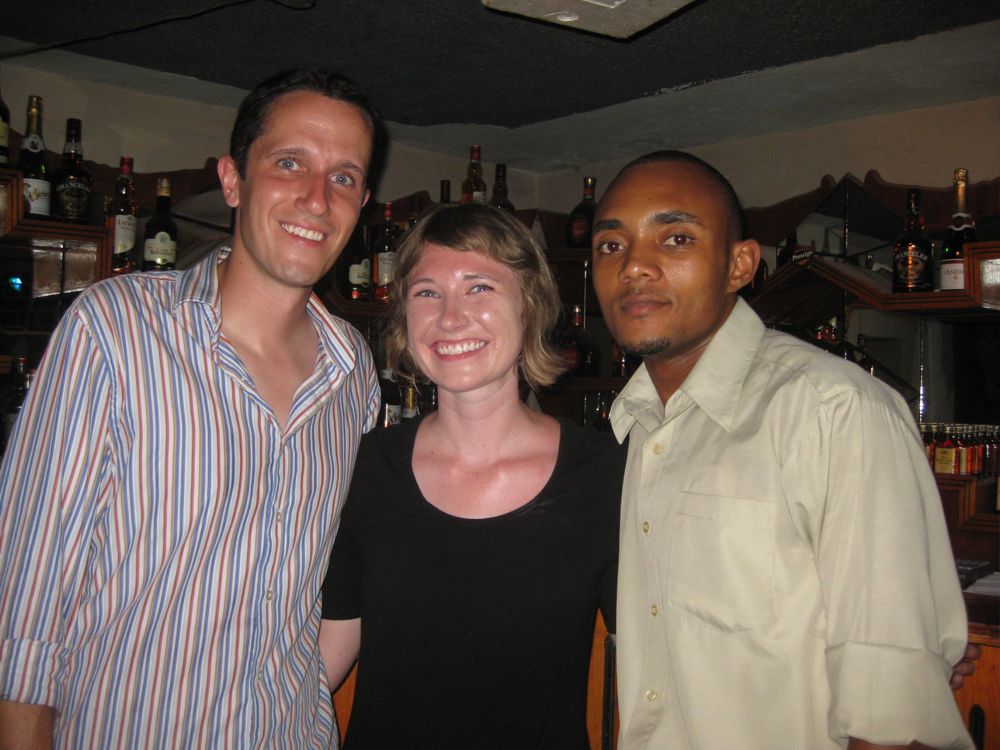
We made friends with a Haitian fellow named Markenley.

Sadly, we had to leave eventually. This is the last we saw of Haiti–the rather forlorn Rio Massacre, which forms the border with the DR.

Posted by: Caroline | July 2, 2012

Plage Paradise

Sensing we were interested in a bit more sand than her place offered, our host Angelique suggested we visit some of the surrounding beaches. Since there’s no road there, we strolled to the village dock and negotiated boat transport with Willie, a guy with fantastic English who had helped us get to Norm’s Place the day prior. We joined him on his taxi–as colorfully decorated as the rest–and grabbed this shot of one of the other taxis by the dock. A true representation of the Haitian spirit: life is something to be enjoyed and not taken too seriously.

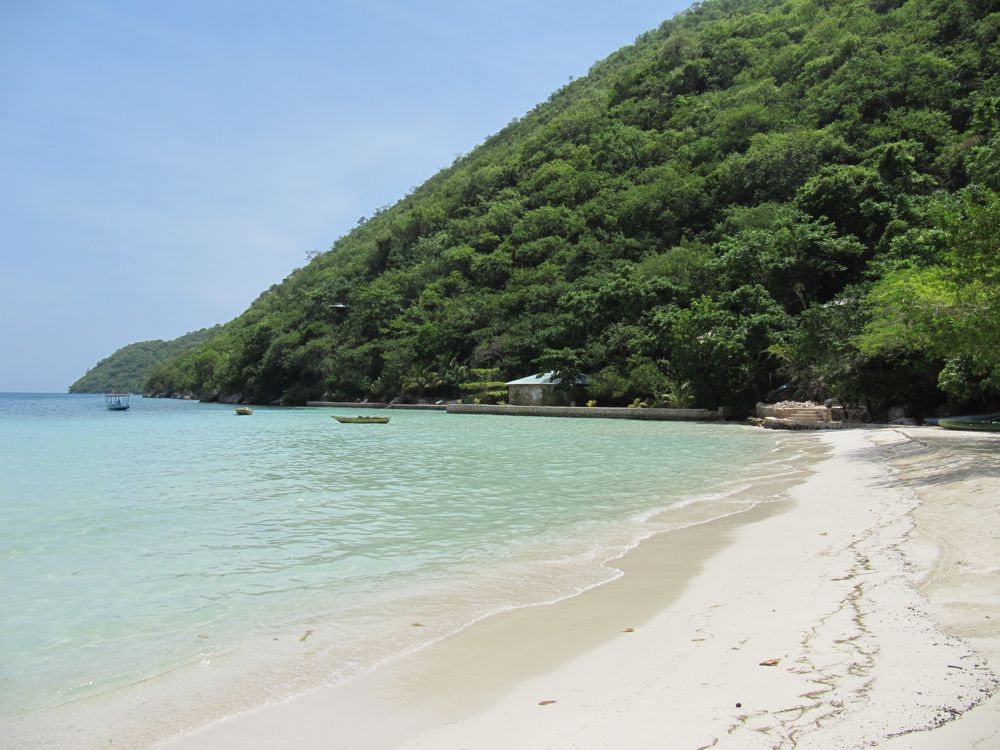
The 10-minute boat ride ended at Plague Paradise.

We will let you be the judge: is it perfectly named?

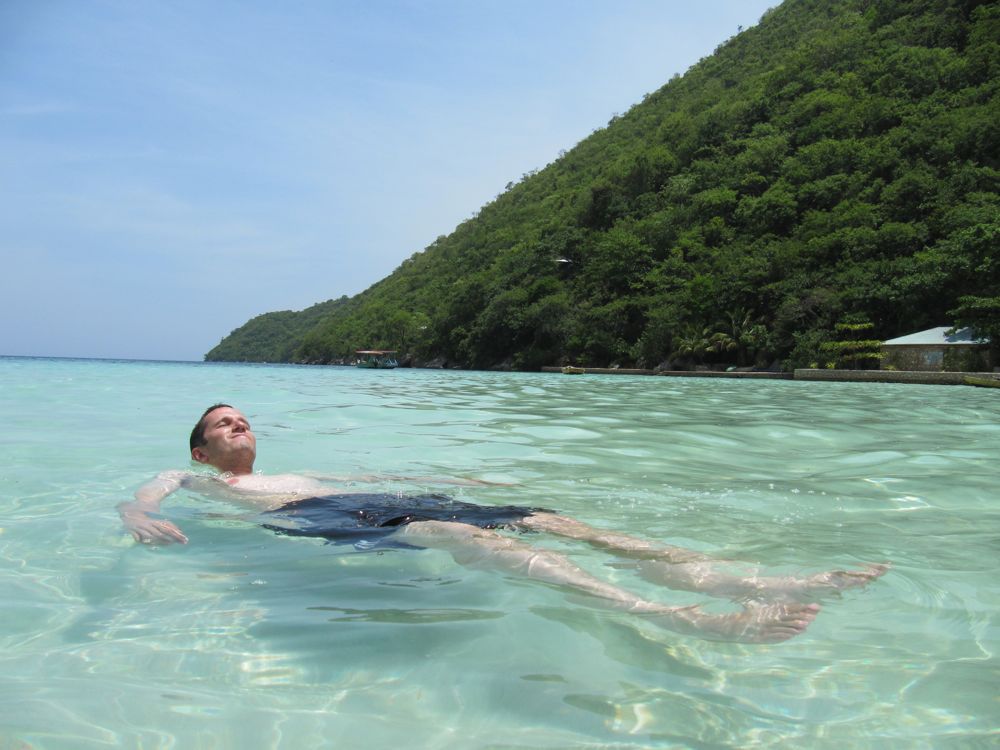
The ocean was deliciously cool on the top and bathwater warm on the bottom, so we could float through as many different temperatures as needed.

The only other people on the beach were our taxi driver, his assistant, and a beach caretaker who also sold bottles of Prestige.

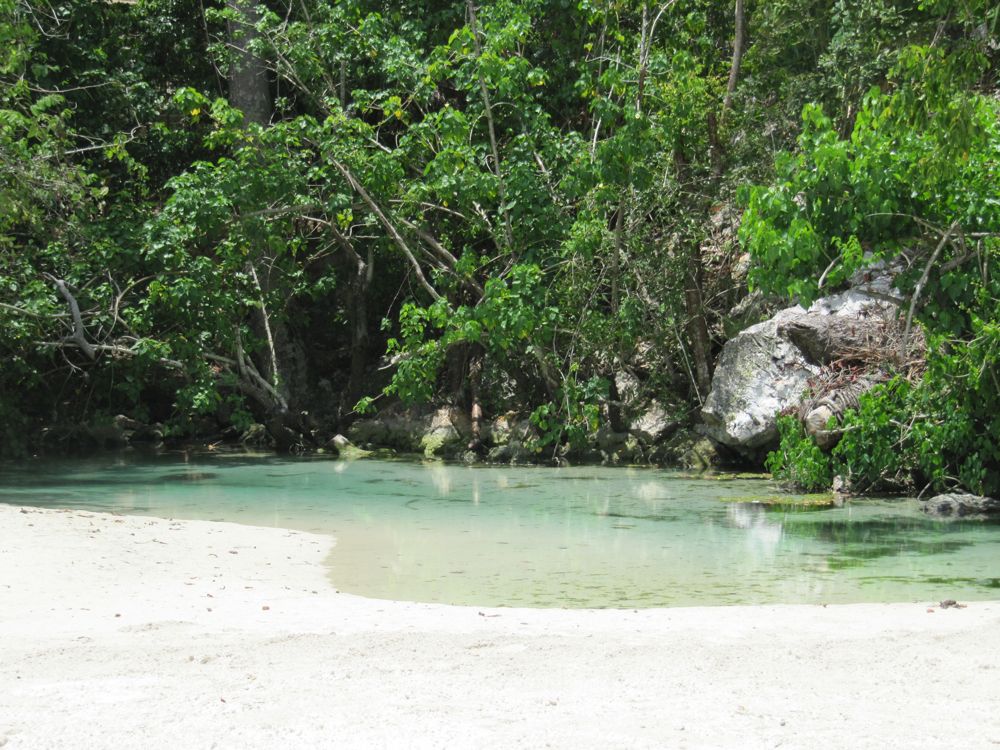
No fridge here; just this cool spring to chill the beers.

A short panoramic video.

We were sad to leave it.

Posted by: Caroline | June 30, 2012

Lounging in Labadie

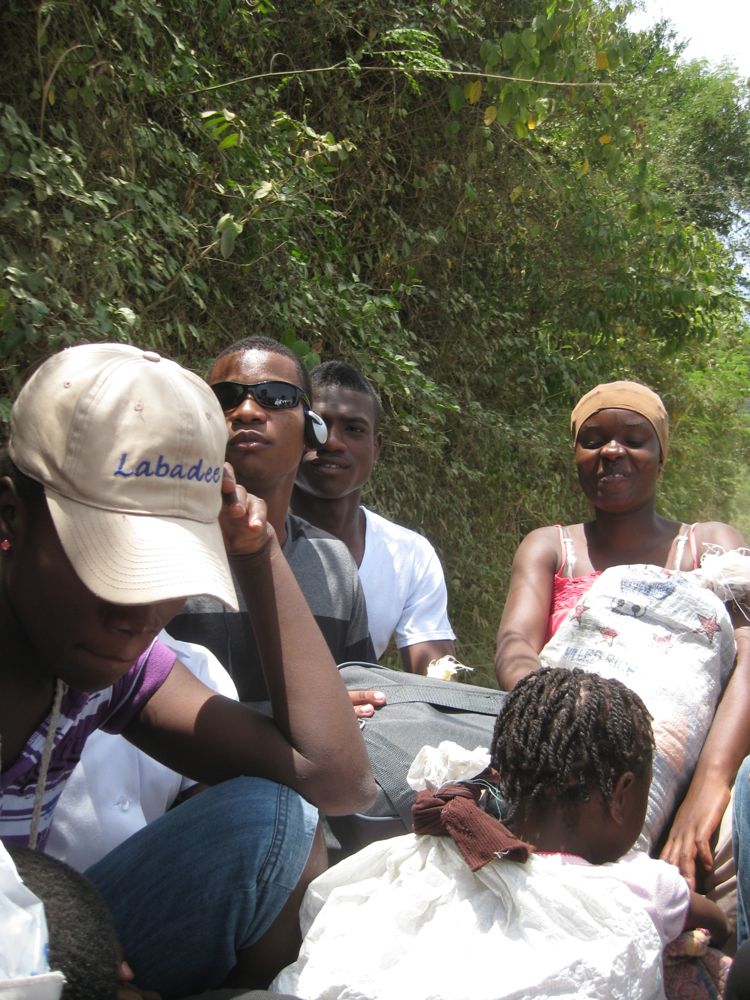
So, remember those tap-taps I told you about? This is our view from one–packed in with 15 other people, a spare tire, two huge bags of individual water packets, a cooler, luggage, and my fear that all of us would tumble down the side of the mountain as we bumped along a treacherous, cliff-hugging road. My hope for Plage Labadie (Labadie Beach), a reputed gem of Haiti’s North, is what kept me going as my spine was crunched between pieces of metal and my legs wedged between a person, the cooler, and my backpack. (Not the most comfortable way to travel after a day riding horses up a mountain.) And yet, after extensive discussion, Alex and I concluded that this is NOT the hardest we have ever worked for a beach. That honor still securely belongs to Carrusca, Mozambique.
We survived the harrowing ride there, which dropped us right in front of the boat taxis. We hopped in one and asked for Kay Norm.

Norm’s Place is a beautifully restored French colonial style guesthouse with its own swath of beach along the sea and plenty of mango trees. The place was started by an American businessman in the 70s (back when it was just ruins). His widow, the witty Angelique, now runs the place.

The view from Norm’s Place.

The guesthouse’s private beach, which is often shared with fishermen and village kids out for a swim.

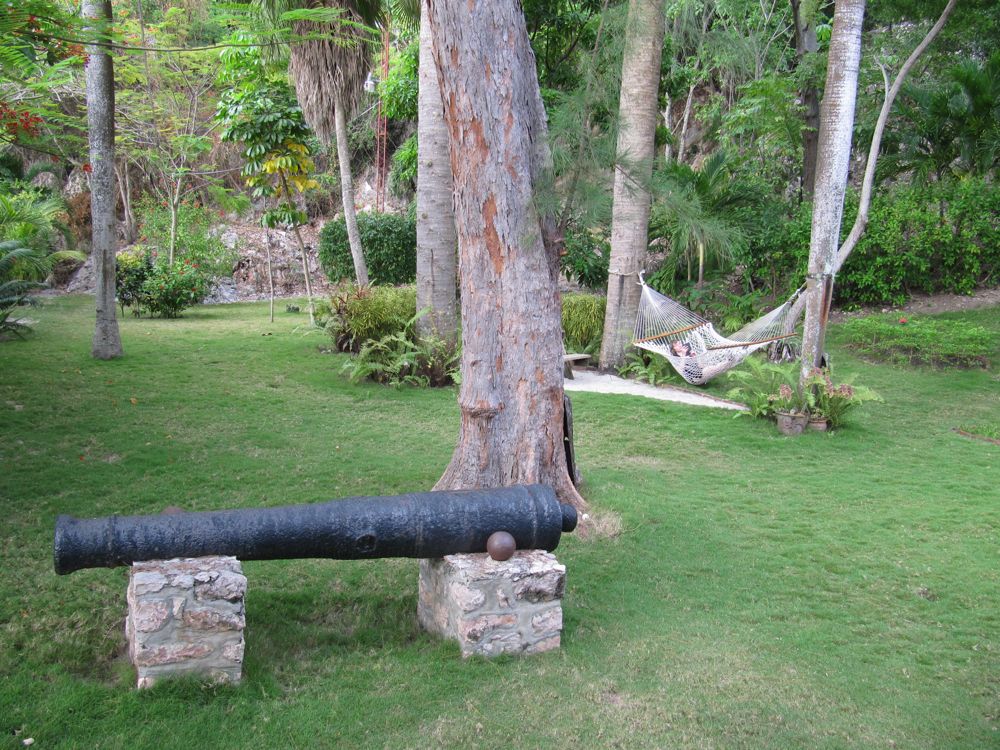
The place is swimming in history. Angelique told us that many of the building materials for the Citadelle came from here, and she’s found a number of artifacts from the years leading up to independence and after, like this cannon.

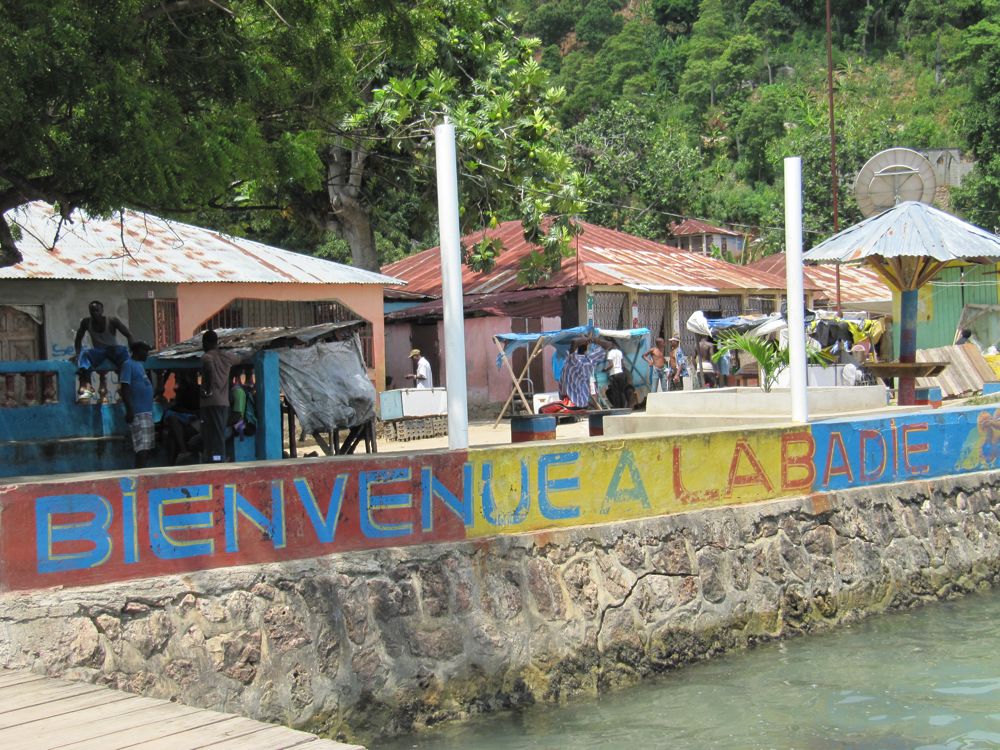
The best part about Plage Labadie is the vibrant village…

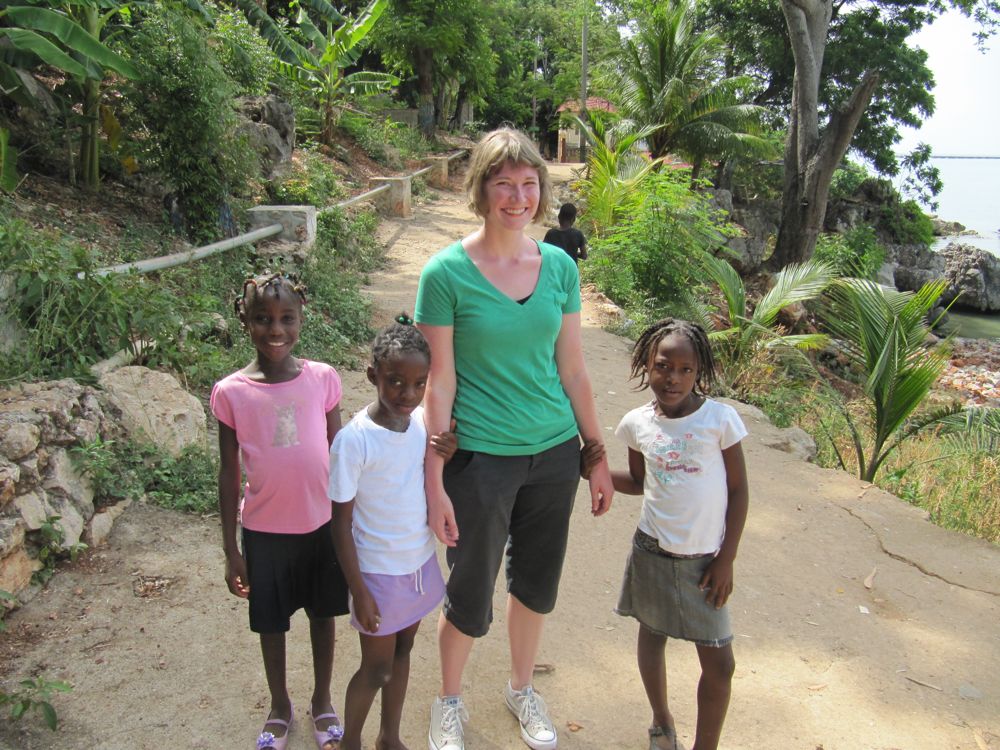
… filled with inquisitive kids who can’t help but chase down strangers and try out their English phrases.

This little guy was particularly enamored with Alex.

The town square, with trash cans courtesy of the US.

Our favorite place on the square was this walk-up bar (no open container issues here) run by the affable Justin. As we sipped our Prestige beers in the square, he walked up to us and said, “I don’t mean to bother you, but someone needs to tell you. This is a quiet place. A calm place. No one will do anything to you here. If anything bad happens to you, I will take full responsibility.” As with many small towns, everyone at the Plage seems incredibly honest in two ways: they will tell you what they think, and they will never, ever cheat you–nor expect you to cheat them. Once when we forgot our wallets back at Norm’s Place, a guy selling us water said, “That’s fine, you can pay later.”

The perfect activity after sunset: tuck into a home-cooked meal of fresh fish…

…or lobster.

Hopefully I’ve got you convinced that the Haiti we see on the news is not the full story. Labadie village feels as tranquil and cozy as any close-knit small town, with families chatting on their laundry-draped porches and kids playing bottlecap checkers in the central square.

So here’s the weird part.

While all of this is going on, up to three huge cruise ships pull up to a walled-off beach compound (once a part of Haiti but now essentially property of Royal Caribbean) and unleash loads of tourists onto a strip of perfectly manicured sand that seems a world away from Labadie village.

Here, you see real Plage Labadie in the foreground and Royal Caribbean’s version in the background.

Despite being one of Haiti’s most beautiful beachfronts, Haitians aren’t allowed to go there. Although they could once pay a fee to enjoy it on the 6 days out of the week when cruise ships aren’t there, it’s now completely private.

Although the beach looked gorgeous from afar, we were able to find a little slice of paradise for ourselves. You’ll read about that next.

Posted by: Alex MacGregor | June 28, 2012

Citadelle Laferrière

The Sans Souci Palace lies at the bottom of a seven-kilometer road to get to the main attraction: The Citadelle Laferrière.

Seven kilometers up. Seven kilometers down. A couple thousand feet gained, then lost again. All in the tropical heat.

Needless to say, few people actually walk it. A rough road can get you most of the way to the top in the comfort of your car–not an option for those of us who arrived by taptap. For those without a 4WD car, you have three options: walk, ride a moto-taxi (motorcycle, which terrifies us), or ride a horse.

Our tentative plan was to walk. But those guys who rent the horses can sense the slightest bit of indecision. They followed us for a couple minutes, purely on speculation that “the lady” would want a horse.

Well, we decided one horse was probably a good idea. After all, my knee was hurting that morning, and we could just take turns riding it if we got tired.

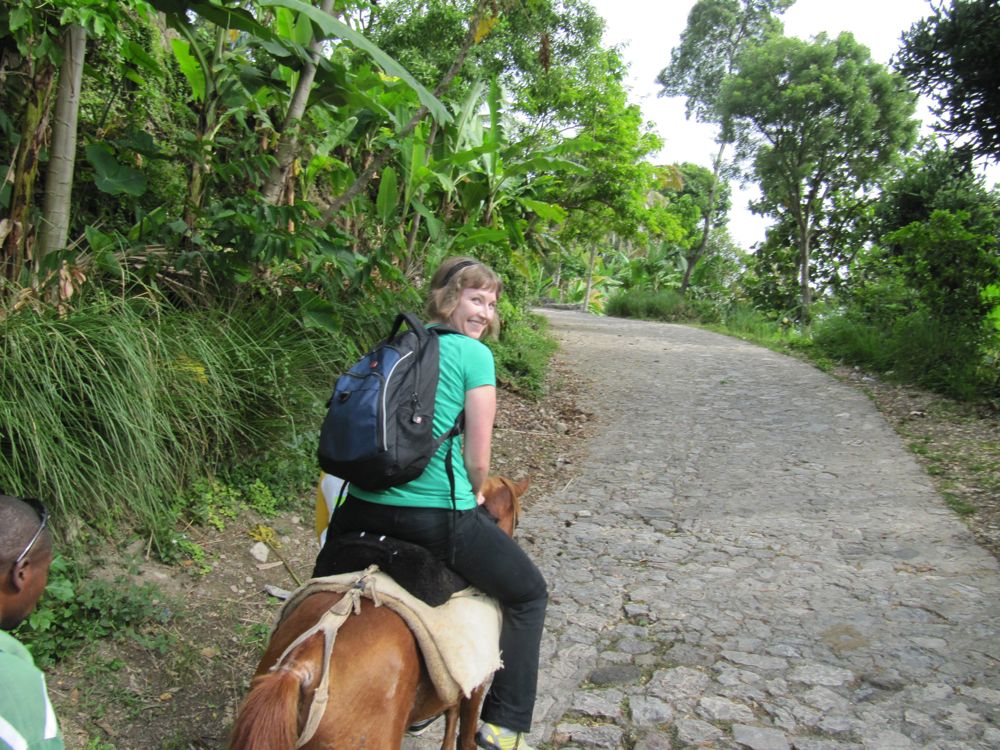
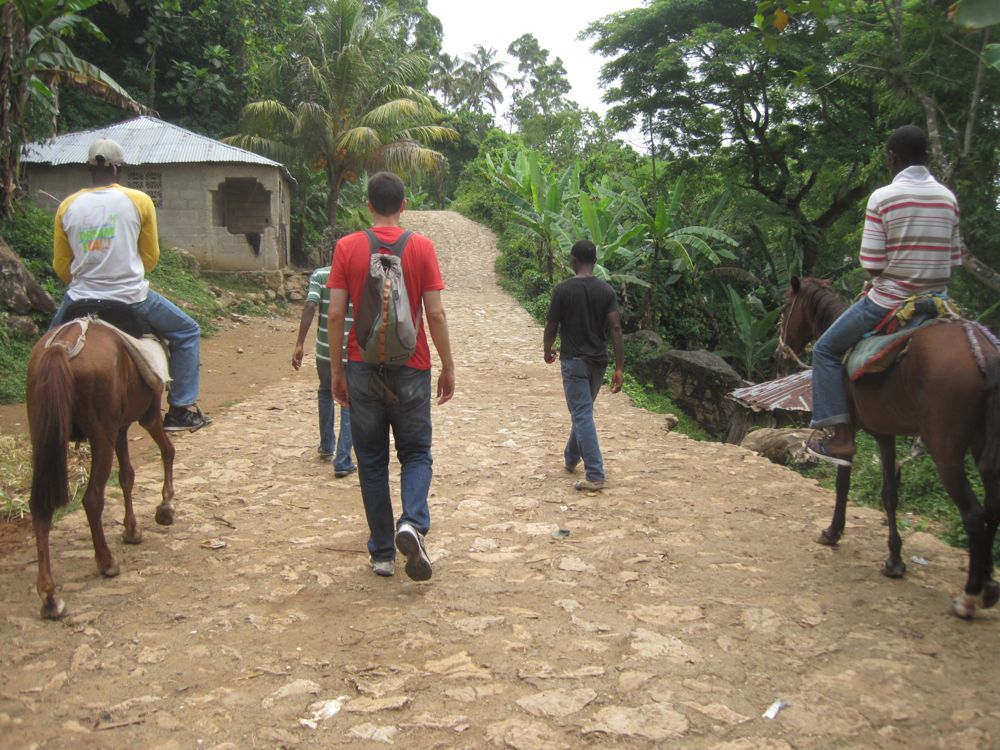
So Caroline hopped on a horse and took off. Now, these horses don’t gallop the whole way or anything, and they require a guy to lead them and “encourage” them (using a whip), and our guide would be walking too. I figured I could keep up with the other guys.

I was dead wrong. Five minutes of hiking and Caroline was long gone while I was panting, sweating, and seriously doubting I could keep this up for two hours. Those guys were able to walk at a brisk pace up a seven kilometer grade, and I wasn’t. So I relented. Two horses it was.

The road up to the top is absolutely beautiful. Riding through banana plantations, kids waving–an absolutely great time. You also get some people aggressively selling crafts and so forth. But it’s less of a problem once you’ve got a guide.
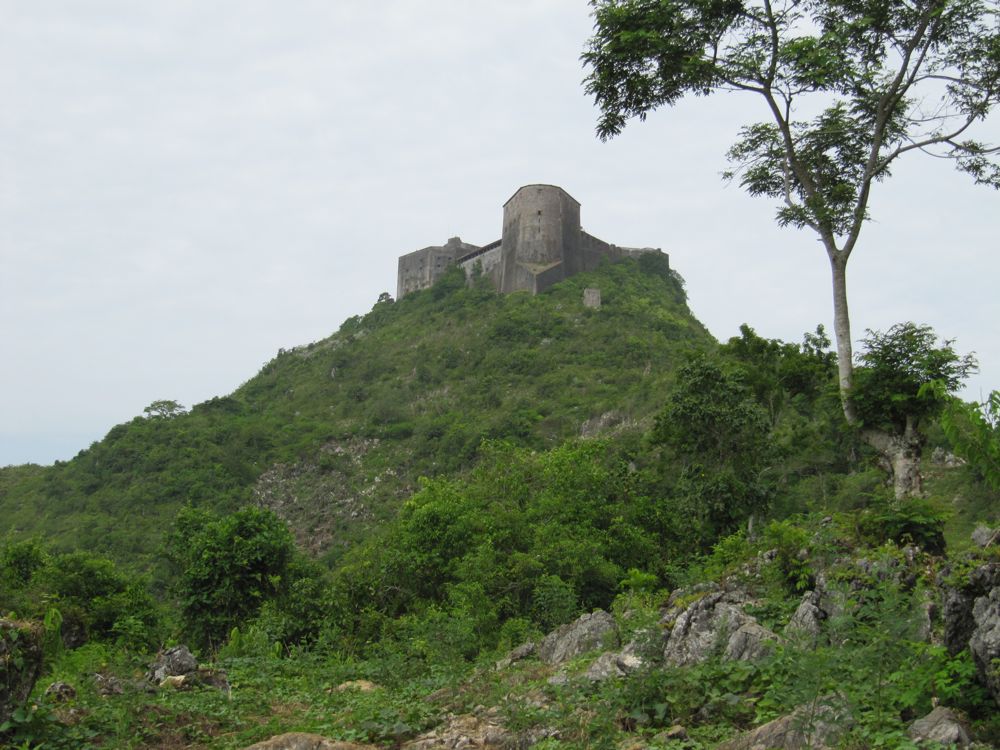
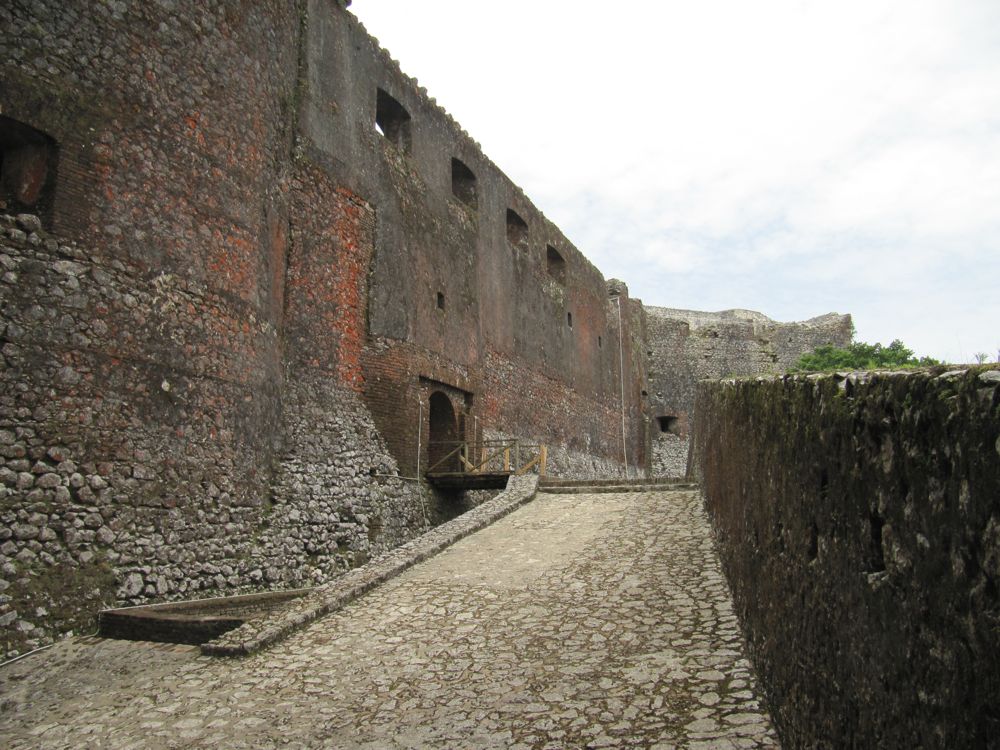
The Citadelle comes into view. The greatest fortress in the Americas, sitting atop a high mountain.

A lookout post.

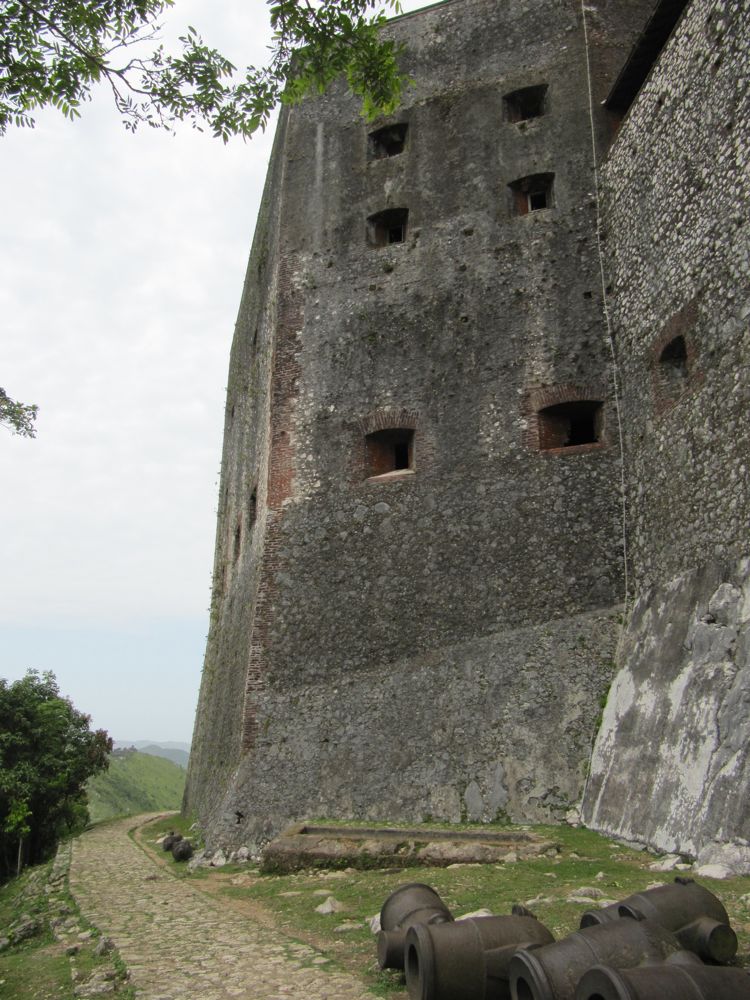
Finally, we’re at the top. The walls of the fortress are impossibly high.

After dismounting, my horse gets a snack.

In a way, the crazy thing about the Citadelle is that it was built at all. Haiti 200 years ago was newly independent and the northern part run by the somewhat-crazy Henri Christophe. Petrified of a French invasion or a war with the other kingdom to the south (whose capital was Port-au-Prince), he built this fortress.

Every brick, every stone, every ounce of mortar requiring huge effort to get to the top of the mountain. It took 20,000 laborers over a decade to build.

The draw bridge. It’s all designed straight out of a “how to build a medieval castle” textbook. Once the enemy penetrates one layer, you make it even harder to get through the next.

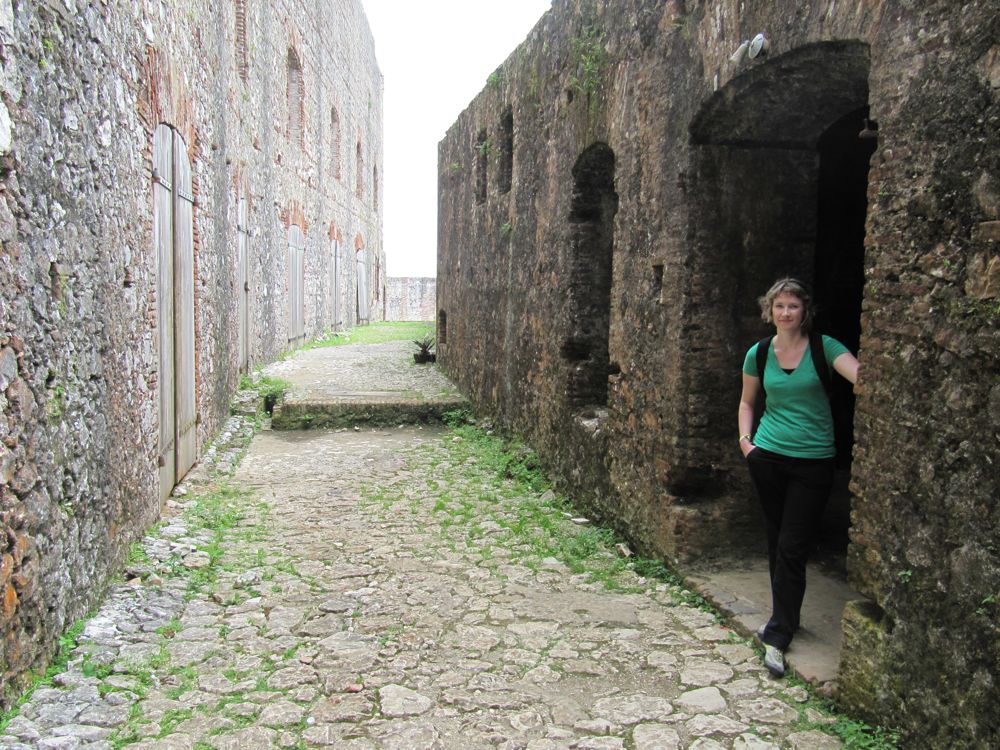
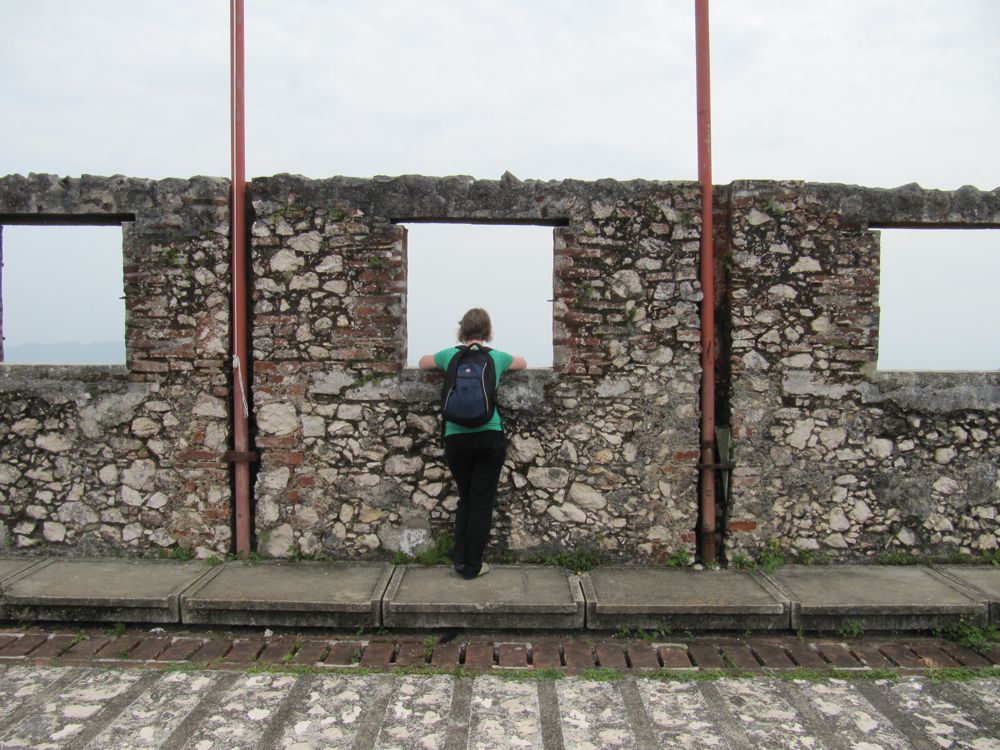
Everything about it is unnecessarily huge. How many floors of cannons do you really need, pointing off the 100′ high tower?

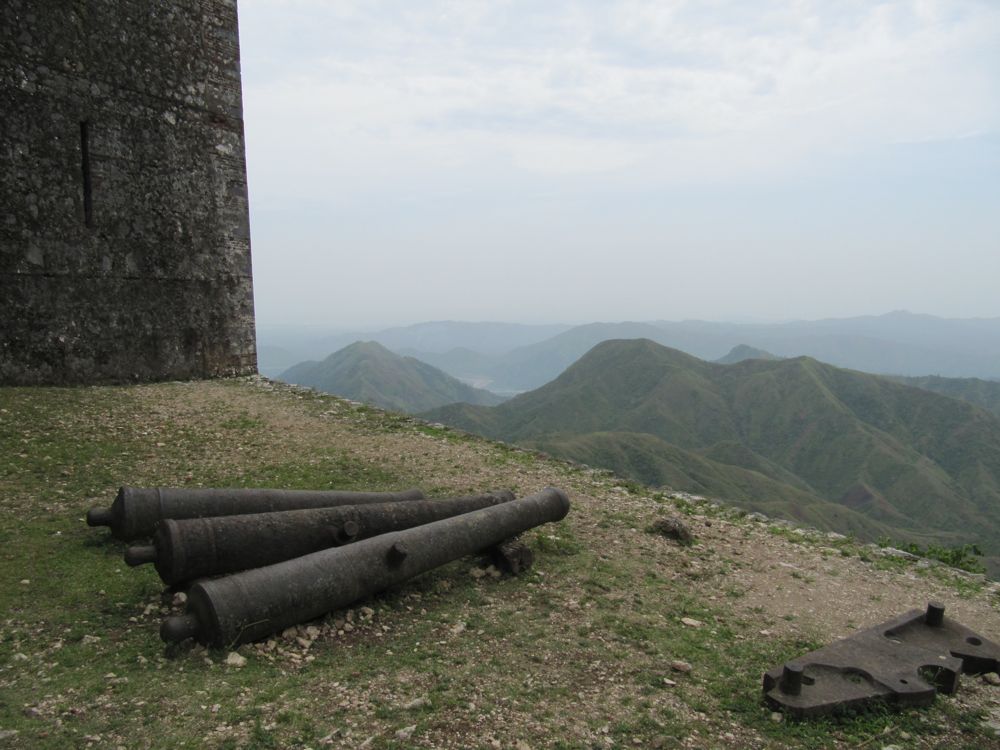
Each cannon is intricately carved.

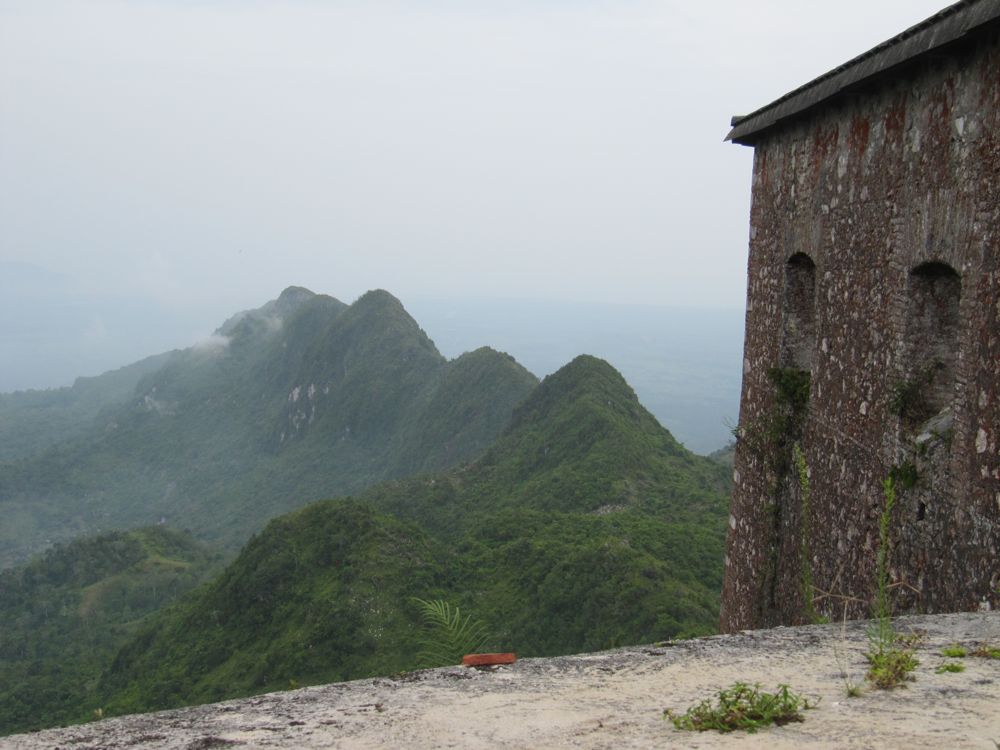
The lighting was not so good for taking pictures of the incredible view, but awesome for capturing the mood of the place.

The governor’s palace, should a retreat to the castle be necessary.

The magazine, where all the gunpowder was kept. It’s said that someone was smoking near the magazine, and was swiftly put to death as punishment.

It’s also said that after the architect who designed the Citadelle gave Mr. Christophe the plans, thereby expecting payment, he was swiftly killed.

Every cannonball requiring tremendous effort to get to the fortress. And it never saw battle.

After a while, it was time to turn back and head down to Milot for a tap-tap back to Cap.

You can start to feel like Frodo Baggins after a while, with so many guides and stuff. It can get a little out hand sometimes.

We walked back down. Riding a horse is general is not very comfortable, and works all sorts of muscles that never otherwise get worked. Going down steep grades for a couple hours–we’d rather just walk.

An enchanting place, but, for the time being, it sees only a trickle of tourists a day (probably a dozen on the day we went). Maybe someday Haiti will come around and the Citadelle will find its place among the amazing sights this continent has to offer. Maybe then they’ll build a cable car or something to get up there. Until then, you’ve just got to work for it.

UPDATE: Just a few weeks after we visited the Citadelle, Haiti’s president, Michel Martelly, also paid it a visit. According to reports of his trip, he was quite angry about the state of the Citadelle (which is clearly apparent in our pictures). Personally, I have to disagree with the president that the Citadelle looks neglected and in a state of disrepair. I was expecting much worse, given the Tripadvisor reviews that said it was full of trash. Instead, I saw ongoing and recently completed restoration projects and an authentic, clean building. It is my humble opinion that if President Martelly wants to grow tourism in Haiti, the starting point should be in accommodations, which we found to be 5 to 10 times more expensive than in places like Central America–this is what really gives Caroline and me pause about returning.

Posted by: Alex MacGregor | June 28, 2012

Citadelle Laferrière, Haiti, Travel Info

(This is an informational post. For those looking to read about adventures and stuff, you can skip on to the next post.)

Researching our trip to the Citadelle,we noticed there was a ton of misinformation about how the whole thing works on the internet, especially regarding the costs of seeing the Citadelle. Since most of the traffic on this blog is people searching for information the various places we have gone, we’ll go ahead and provide a complete post about how to do the Citadelle on public transport. All info as of late June 2012.

First, to get a tap-tap, just walk from the center of Cap Haitien towards the bridge and the Texaco Station. Cross the bridge and they leave from the Texaco station, if one hasn’t already flagged you down. Everybody will assume you want to go to Milot. It should cost roughly a dollar.

Once you get to Milot, you’ll be assaulted by guides, guys with horses, motorcycles, crafts–everything.

First thing is a guide. Just pick one that is certified and speaks English, and get him to agree on a price. If he won’t tell you a price, tell him to get lost and talk to another guide. Ours wouldn’t tell us a price, and then after the trip I gave him 1,000 Gds, and he claims he said $30 US. I told him if he could find change for another 1,000 Gds bill he was free to have 200 of it, and he couldn’t find change.

Speaking of currency, BRING US DOLLARS. NOT GOURDES. Everyone seems to hate Gourdes (a recurring theme in Haiti for tourism businesses). You’ll be converting everything at poor rates. And bring small US bills. Even singles would be usable.

Next the entry fee. This is $5 flat rate, or 200 Gds. The Lonely Planet says it is a rather outrageous $25 US per person! The guys at the gate will ask for more than $5. Tell them it’s just $5. Or better yet hand them exact change in US bills. If you have a guide by now, he should definitely have let you know this; if not, ditch him.

Next, the transport. Horses cost $15 each. Not $50 as the Lonely Planet guidebook ridiculously suggests. I have read that if you drive all the way to the top and get a horse in the little parking lot, they are $10. I can’t confirm this.
And yeah, there are horses everywhere. Don’t worry about walking halfway and getting tired or stranded. There will be horses–no doubt about that.

Of course, you’ll have to tip the horse guys. You don’t have control over exactly how many horse guys come with you. Expect $5 or more each. You’ll probably get a sob story if you just try to give them $5. You also need to buy a $1 soft drink for each of them at the top. It’s all a bit awkward–they make you very publicly pay a guy halfway up for the horses, and they tell you it’s “for the bank in Cap Haitien”, not for them. He’ll give you a ticket and everything. We had three horse guys for our two horses.
Motorcycles are $10 each, from what we heard. I don’t know the tricks they pull, if any. They can’t take you up the last part; if you’re not in shape you might have trouble with it. The Creole word for “slow” sounds something along the lines of DEUCE-ma–surely this will come in handy as you round hairpin turns on the side of a mountain.

Your guide does NOT need a horse, contrary to what the LP guidebook says. We rode horses, and it was never even suggested that we buy one for our guide.

The whole thing cost us around $90 for the day: $25 on the guide. $30 on horses. $20 on horse guy tips. $10 to get in. $4 on soft drinks for the guides. A few dollars to get there and back.

Adding up costs in the LP, we were looking at over $200 for two people. That’s very far off base. I don’t know what happened to their researcher when he came through, but you can safely bring $150 for two people and have all your contingencies covered, based on what we saw recently.

Also, it’s seven KILOMETERS and not MILES. Some internet sources say miles. Totally different beasts. We don’t regret taking horses since it was hot and they made the whole thing less trying, but we could do 14km in a day. 14mi is a nonstarter, on the other hand. Still, the horse guys give you hell; it’s a lot easier to just give in.

When you’re reading online, and some people say, “The hike isn’t that bad, it takes a half hour”, they might be talking about driving most of the way up and walking from there. Totally different ballgame from walking all the way from Milot, up 2,000 vertical feet and back down again.

Also, some sources seem to say it’s a difficult walk–the last part up to Citadelle. It didn’t seem hard to me. The path is reasonably well-paved, about 6′ across. A person in reasonably good health can handle just the walk up the last part, no problem. The do the whole thing from Milot, you will need to be in shape.

I’m not sure if a 2WD can make it up to the top. Possibly, but maybe not. Definitely don’t try to get a street taxi to take you up there.

Post any questions you might have below, but I hope I got everything to make this more accessible!

Happy travels!

« Newer Posts - Older Posts »

Categories