Posted by: Alex MacGregor | April 21, 2010

The Other Side of Kosovo

We were having such a good time in Kosovo that we decided to stay another night and take a day trip into the countryside. We scoured the internet for a gem in the mountains just outside of the capital where we could spend a day, like the Bachkovo Monastery near Plovdiv or the Princes’ Islands near Istanbul, but we couldn’t find anything quite so pleasant and accessible.

Instead, we decided to set off on the two hour bus journey to the other side of the country to the city of Prizren, located near the Albanian and Macedonian borders.

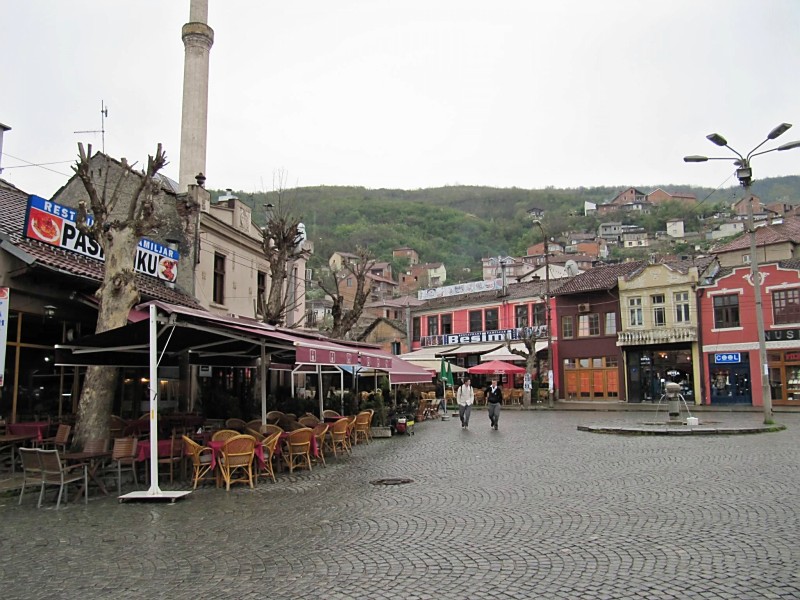
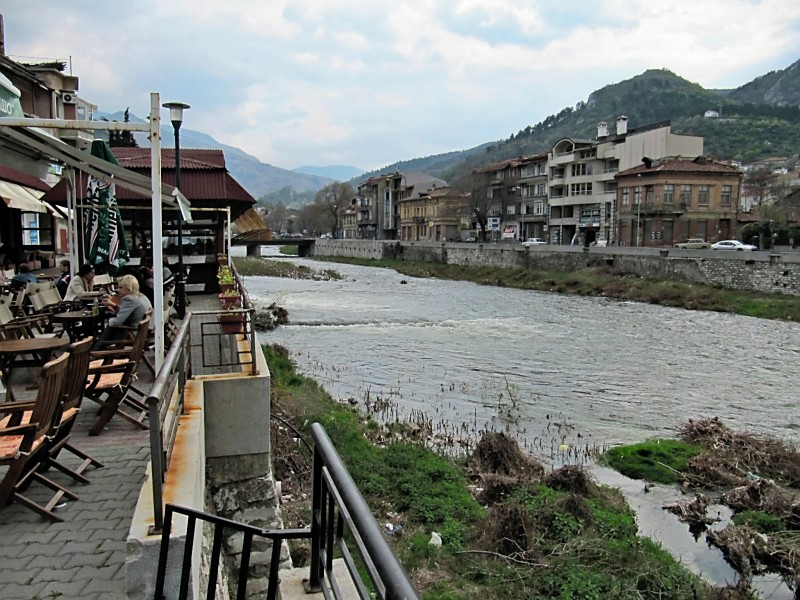
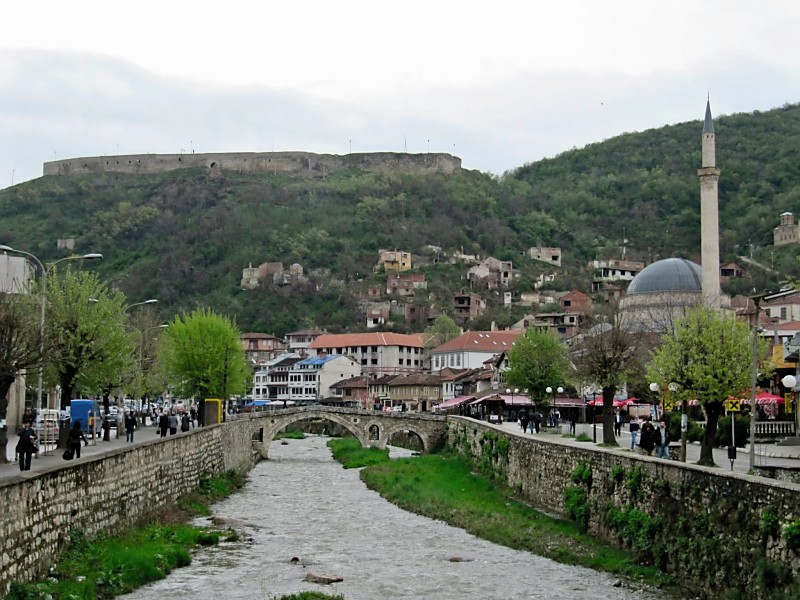
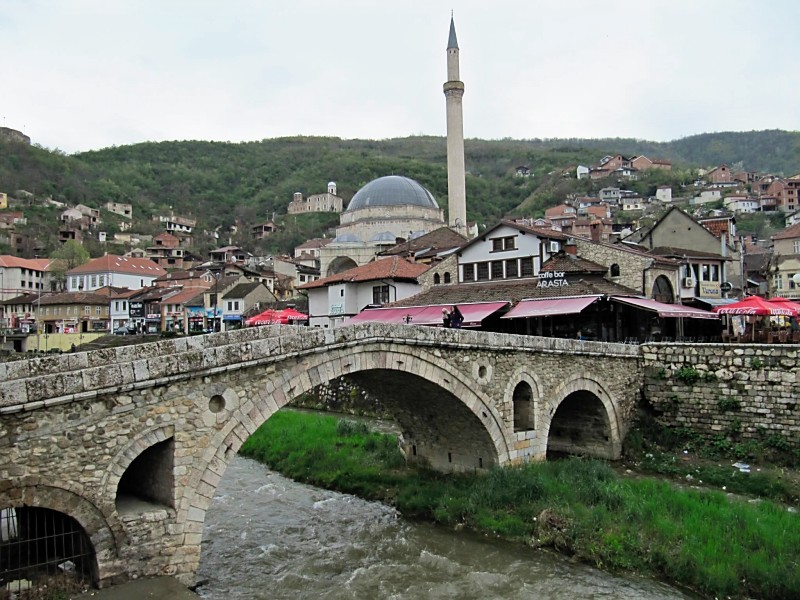
Unlike Prištinë, Prizren is mainly a historic city, with small buildings lining cobbled roads instead of glorious brutalist monstrosities towering over asphalt and concrete. Like most other historical cities in the area, it has the requisite mosque, stone bridge, and fortress set overlooking the town.

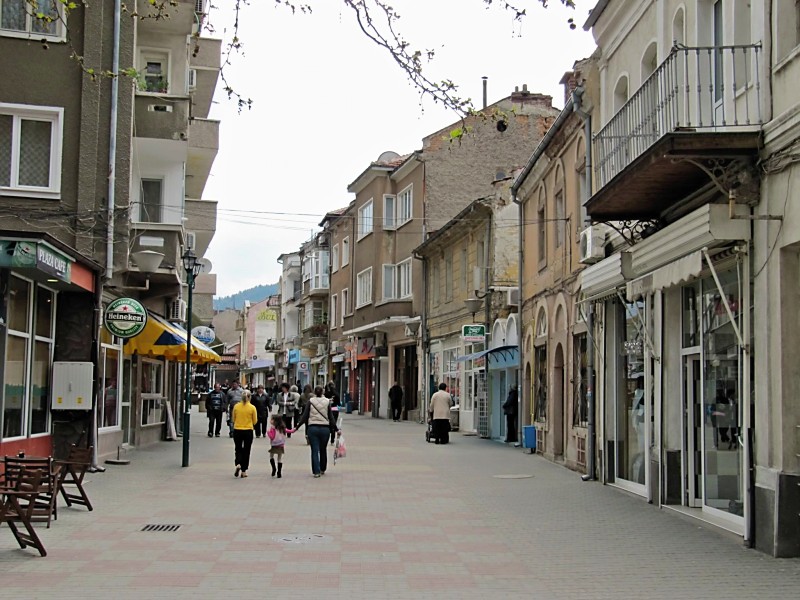
It’s a bit surprising to see Prizren’s cafe-filled center, given the state of Kosovo’s economy…

…but we’ll take as many delicious, 50-cent macchiatos as we possibly can before we get to Western Europe.

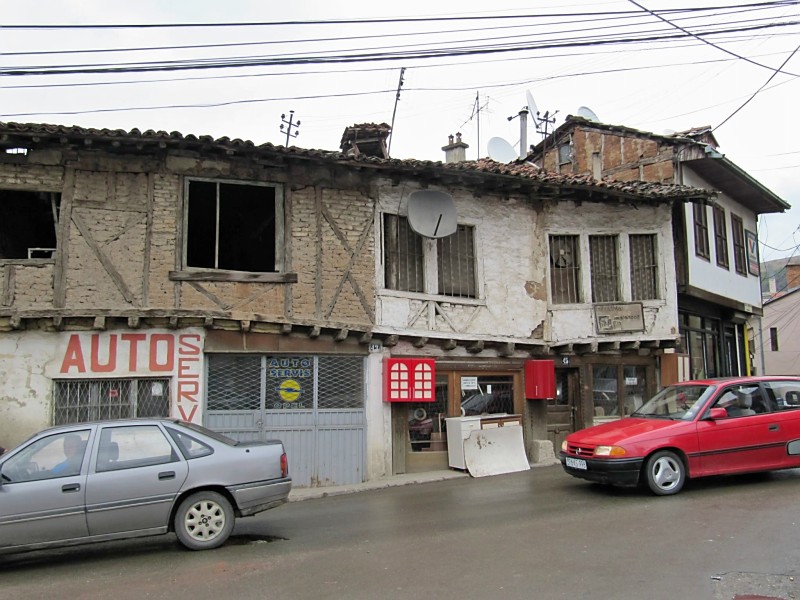
Some of the old buildings that line Prizren’s streets.

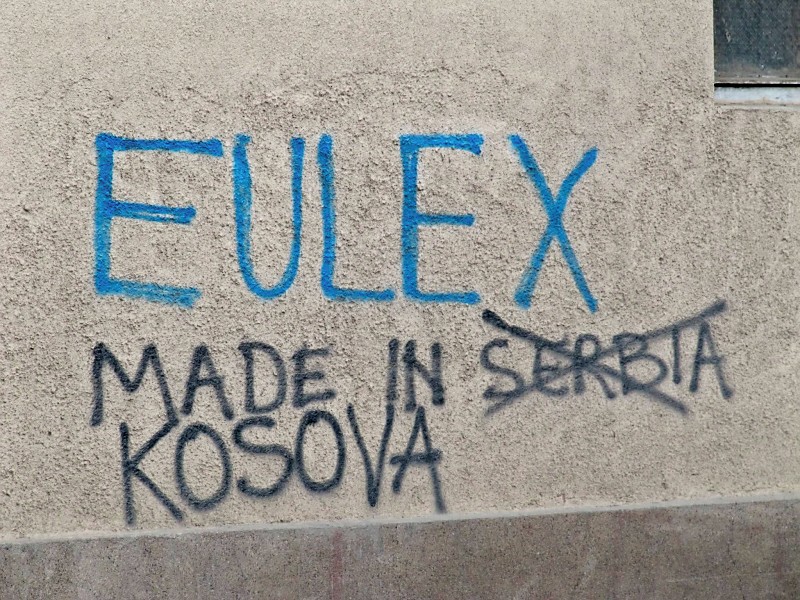
Just because you’re in an idyllic old city doesn’t mean that you can escape the country’s bitter ethnic tensions.

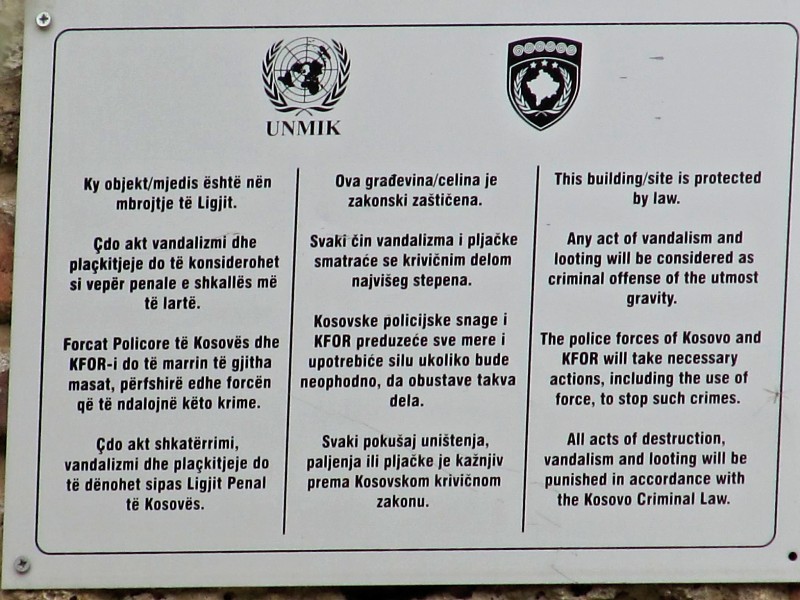
One of the most treasured Serbian Orthodox churches in Kosovo requires ongoing military protection.

Sadly, if you walk a bit further uphill, you can see that the church was already mostly destroyed by bombings during the war.

Many of the old neighborhoods overlooking the center of town were also destroyed, never to be rebuilt.

Caroline in the fortress.

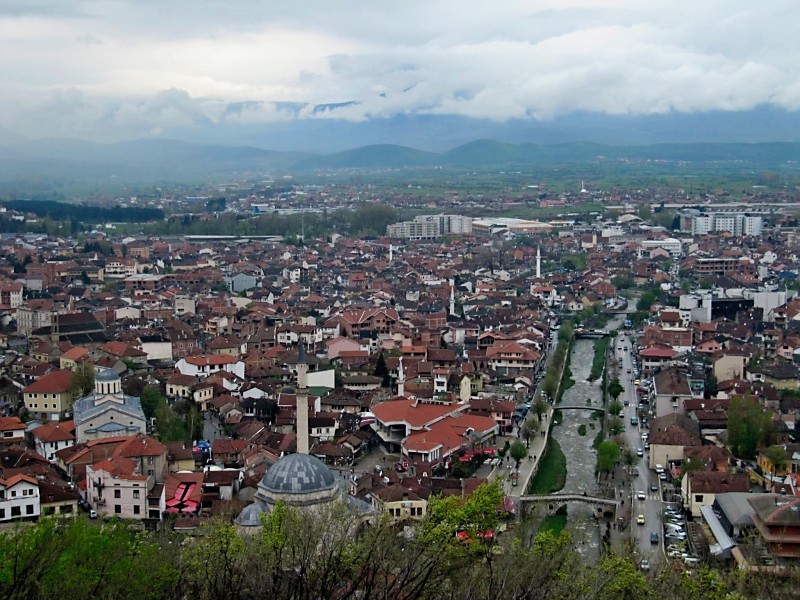
From up on the fortress you get a spectacular view of Prizren and the snow-capped mountains behind it. It would have been even better if it weren’t gloomy and overcast all day! But after spending a great day in the city we realized that if Kosovo develops a tourism industry, Prizren is going to be an important part of it.

Posted by: Alex MacGregor | April 20, 2010

A Kosovo Sidetrack

A little geographic fact had been nagging us since we had gotten to Skopje: the border with Kosovo is only about 20 miles away, and buses run back and forth to its capital numerous times per day. We had talked about just taking a day trip into Kosovo to check it out, but after being shocked by Skopje’s hotel prices, we decided to head north to cheaper Prištinë (or Pristina), the capital, for a night or so.

After a couple quick hours on the bus, which included the easiest border crossing of our entire trip (we didn’t even have to get up from our seats!), we were in the hectic capital of one of the world’s youngest countries.

We soon learned that newly-independent Kosovo is the poorest country in Europe. It’s much wealthier than most of Africa, where per capita incomes are only a few hundred dollars a year in many countries, but people in Kosovo make only a fraction of what Macedonians make on the other side of the border.

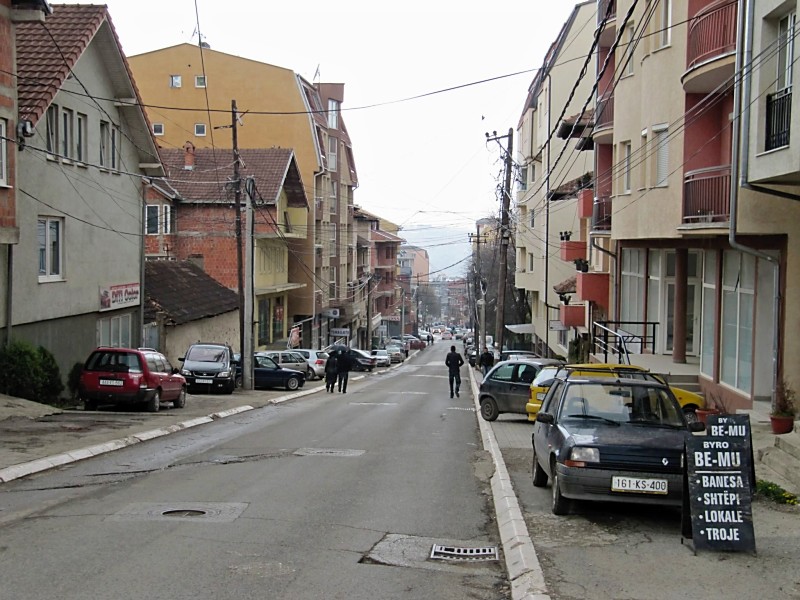
One consequence of this is the roads. Not only are the streets bad, but the sidewalks are basically non-existent, and what few sidewalks do exist are completely covered up with parked cars. In order to walk around, you always have to dart into and out of the street in an effort to dodge the cars racing past.

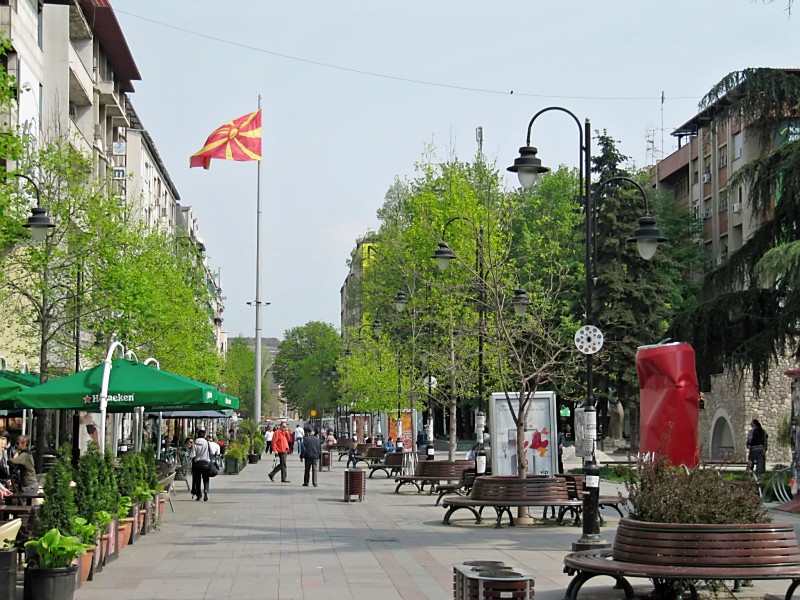
After doing battle with the surface streets, walking down the pedestrian promenade is a totally refreshing experience.

Also, the electrical connections are as sketchy as the electricity itself.

But despite the problems, Kosovo celebrates its independence from Serbia, which the world began recognizing in fits and starts in 2008–an event commemorated with this independence monument.

Kosovo is about 90% Albanian ethnicity. But unlike nearby Albania, it was part of Yugoslavia during the Cold War years. When Yugoslavia fell, most of the other Yugoslavian states eventually gained autonomy or outright independence–think Slovenia, Croatia, Bosnia, and so forth. But as Yugoslavia shrunk down to become little more than present-day Serbia, Kosovo remained under its direct control. Revolts ensued, and Serbia retaliated.

In 1999, president Slobodan Milošević led a drive to “cleanse” Kosovo of its Albanian population. Hundreds of thousands fled into Albania and Macedonia, and war broke out. Eventually, the UN took control of Kosovo’s defense as it took the status of an autonomous Serbian state.

In the bitter aftermath, Kosovo’s Albanian population destroyed any symbols of Serbia that they could, like this Orthodox church in Prištinë. A major role of the UN’s mission became, somewhat paradoxically, protecting the Serb minority in Kosovo from the ethnic Albanian majority.

This remains the case in post-independence Kosovo. Most developed nations–notably the US–have recognized Kosovo’s independence, but as of 2010 Serbia still bitterly contests it and the nations are enemies. In beleaguered Kosovo, Serbia is every politician’s favorite scapegoat, right or wrong.

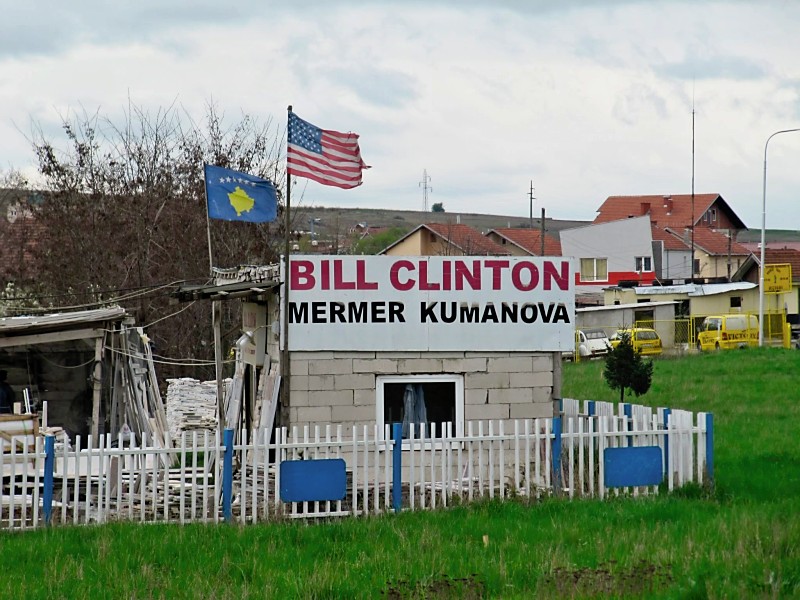
Bill Clinton is something of a hero in Kosovo, and there is no shortage of American flags flapping alongside flags of Albania and Kosovo. George W Bush is very well-liked too–not the case in too many other countries.

We decided to take in some of Prištinë’s main sites, which is not a difficult task because there aren’t that many sites to begin with.

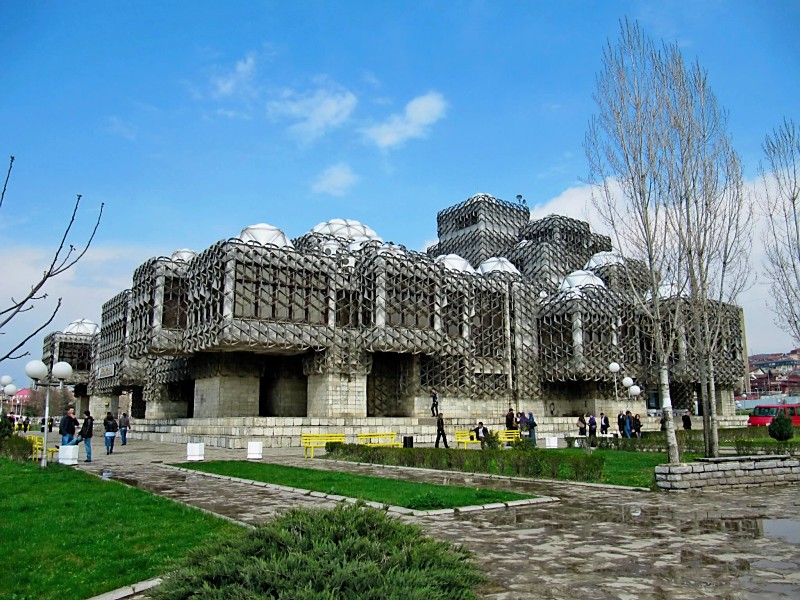
The very strange-looking library at Prištinë University.

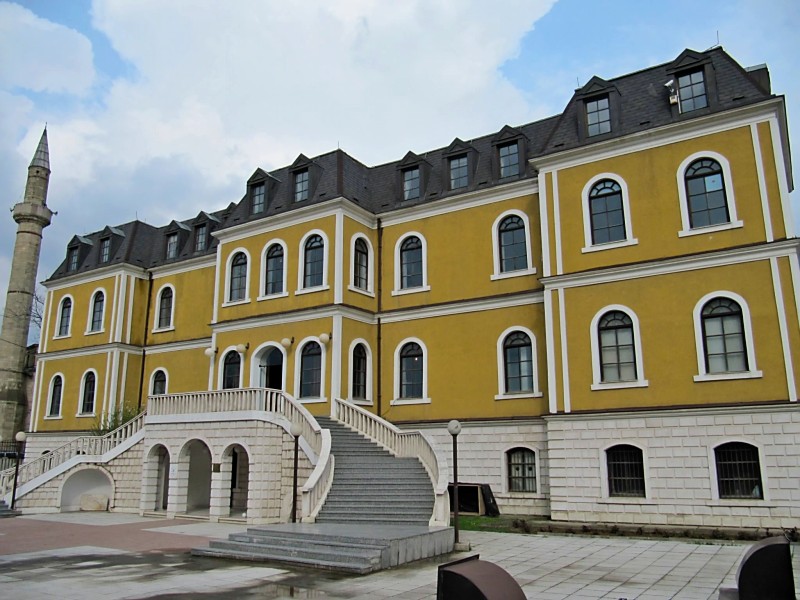
The National Museum

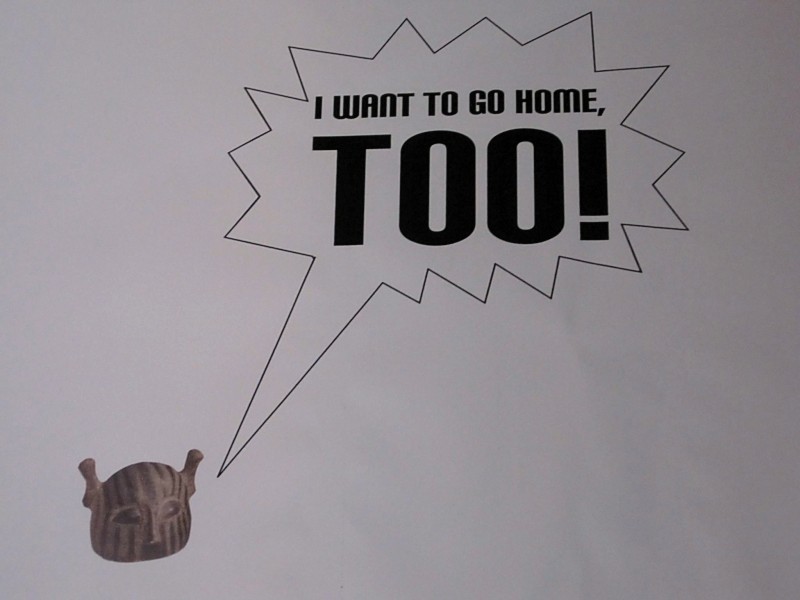
Not even the national museum is free from tension with Serbia!

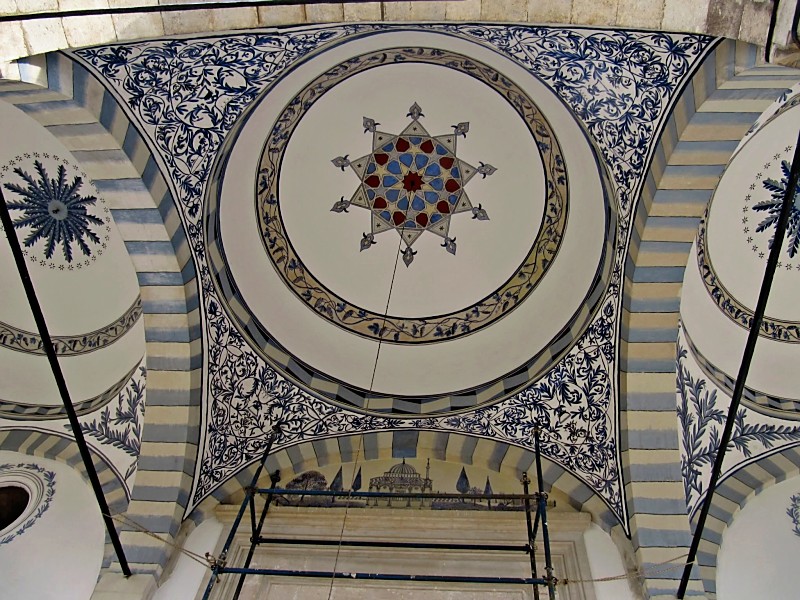
The exterior of the mosque had beautifully-painted domes, but, like with so many mosques, we were unable to enter. Sometimes mosques are just locked up and closed, sometimes there are unclear indicators of what customs need to be followed, and sometimes we get an unshakable feeling of unwelcome from people outside. In this instance, the mosque was being renovated.

The market.

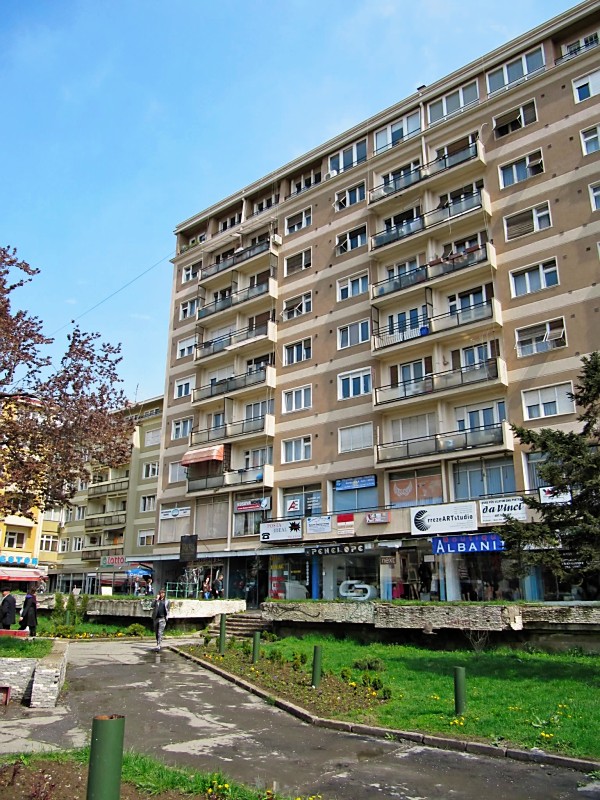
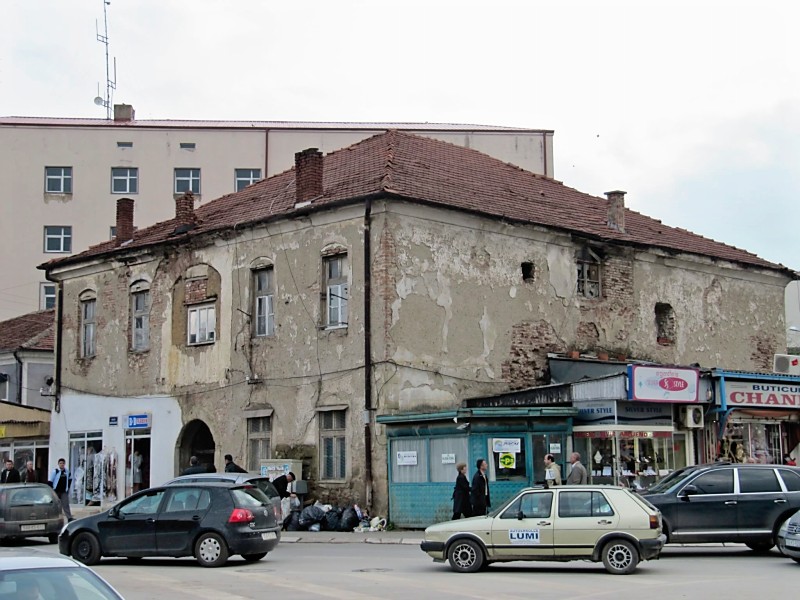
A few of Prištinë’s old Ottoman buildings survived the onslaught of ugly concrete things built during the Yugoslavian era. Now they sit unnoticed, surrounded by the chaos of traffic and construction.

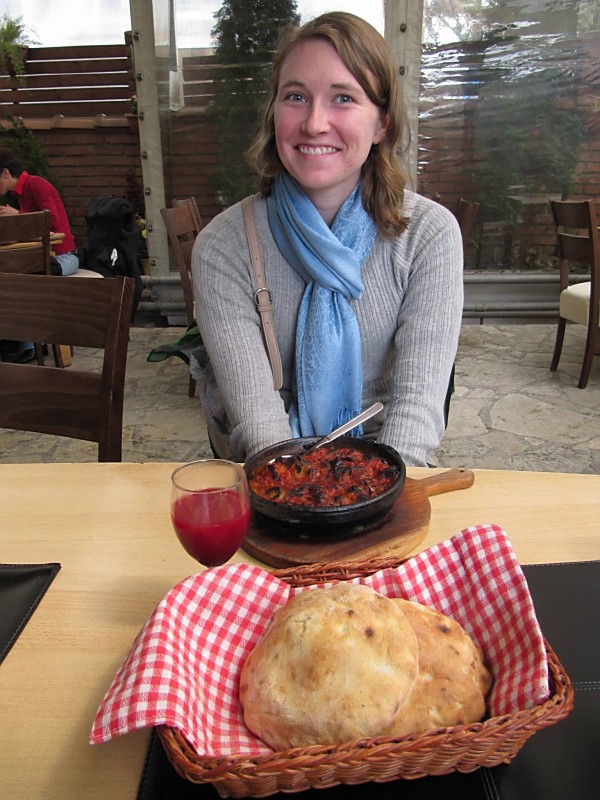
Even if Prištinë’s attractions won’t be drawing tour groups over from Western Europe anytime soon, it might be worth making the trip for the tasty pots of stewed veggies and great fruit juice, as Caroline can attest!

Posted by: Caroline | April 19, 2010

Skopje, Old and New

Our next stop was Macedonia’s capital, Skopje. The city has the potential to become a popular European destination–plenty of cafes populate the central square, a scenic river cuts the city in half, and the old Ottoman district of Carsija is home to beautiful churches and mosques.

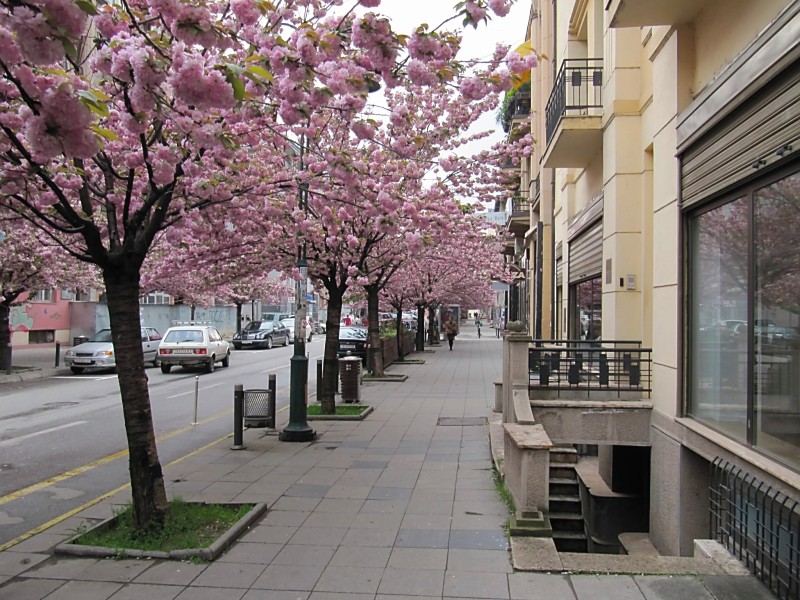
And it has some pleasant streets full of blossoming trees.

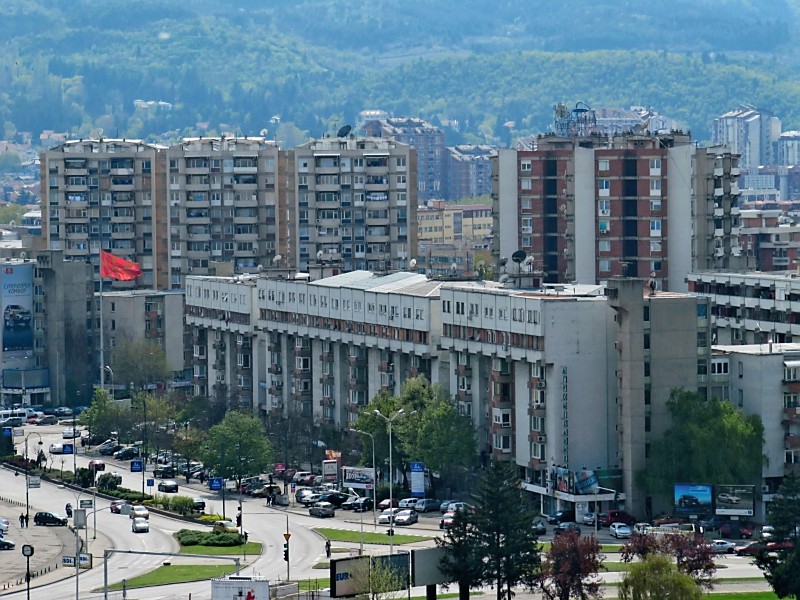
But there are still a few noticeable sore spots, like the communist-era concrete buildings and the incessant construction ruining views of the river.

Note the cranes sullying this photo of the Stone Bridge.

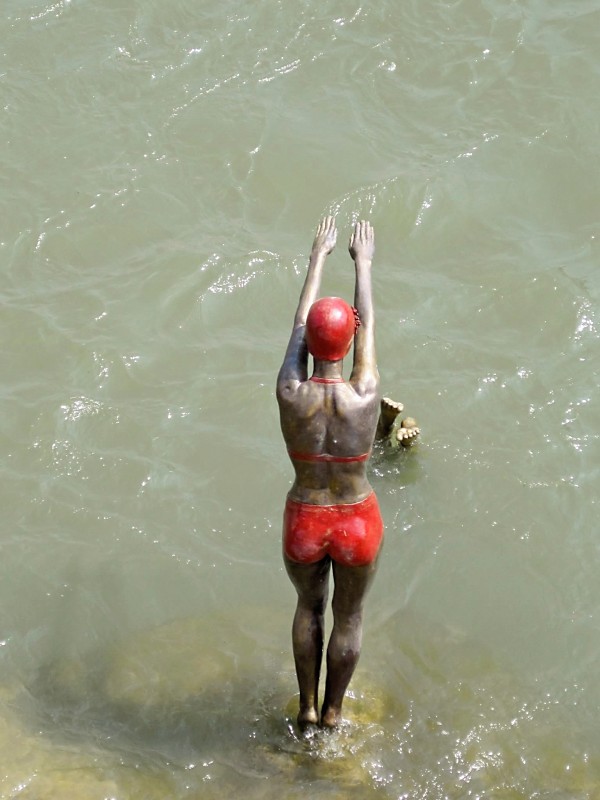
Skopje has a fondness for statues. You’ll see sculptures of everything from a massive fish to Mother Teresa. Here’s a close-up of the divers (see the feet already in the water?) that are also visible in the picture above.

Skopje’s old train station now houses a museum with a permanent collection of Macedonia’s ancient archeological finds and a temporary collection of rather Freudian artwork. The clock on the front stopped in a 1963 earthquake.

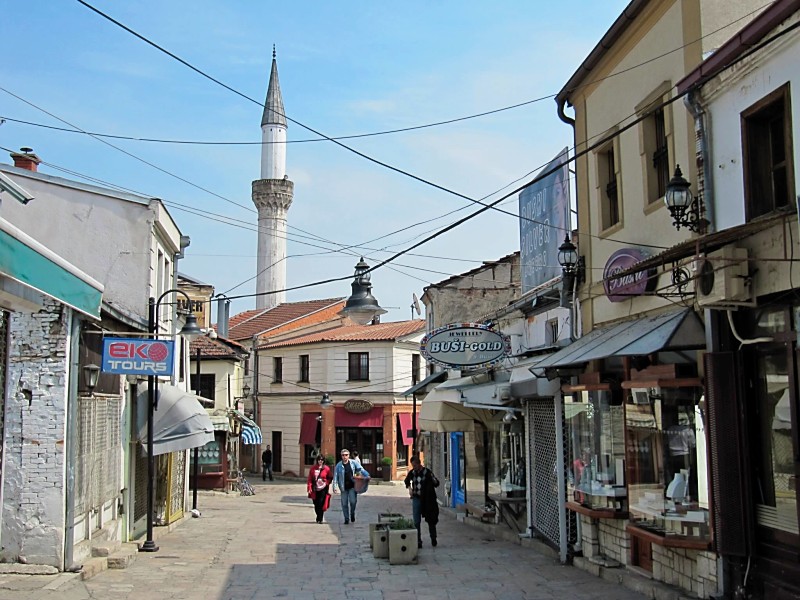
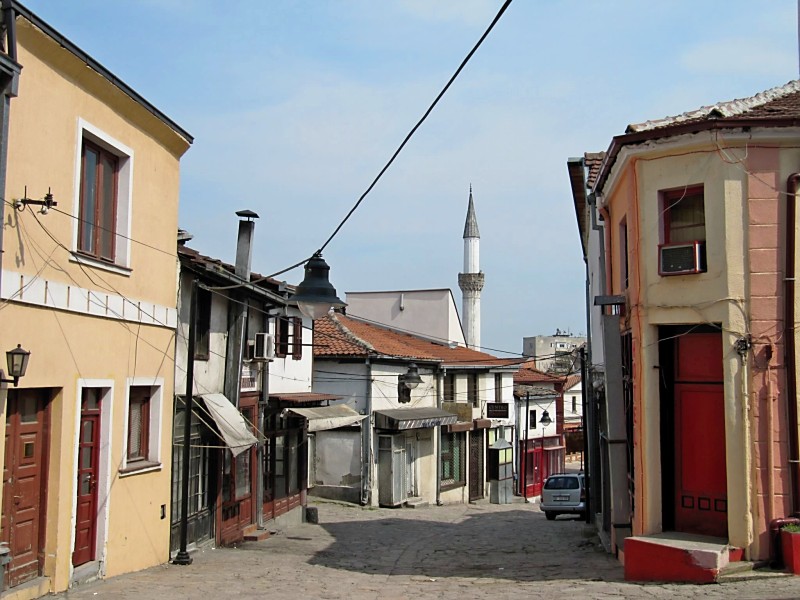
Across the Stone Bridge, you find the old Ottoman area with plenty of lunch and baklava options.

Bit Pazar, the fruit and vegetable market.

All Balkan cities seem to have crumbling fortresses atop their hills where you can get great views of the center.

Ever since our mosque visits in Turkey, we have made a habit of seeing as many as possible. Even though we love the decorative Ottoman domes that await us, we’re always a bit hesitant to actually go inside the mosque. We’re sometimes not quite sure if we’re wanted in a place of worship.

But when we showed up in the courtyard of Mustafa Pasa mosque, they rolled out the red carpet. The imam (leader of a mosque) immediately ran to his office to grab a sheet explaining the mosque’s treasures, all written out in phonetic English for this Albanian- and Arabic-speaking imam to pronounce. He took such pride in elements of the mosque structure that we would have hardly noticed otherwise; he told us the age and origin of the clocks and carpets as well as how prayers are conducted and where the men and women separately pray. In many mosques, you aren’t allowed to take photos, but he insisted on taking a photo with Alex in the direction facing Mecca!

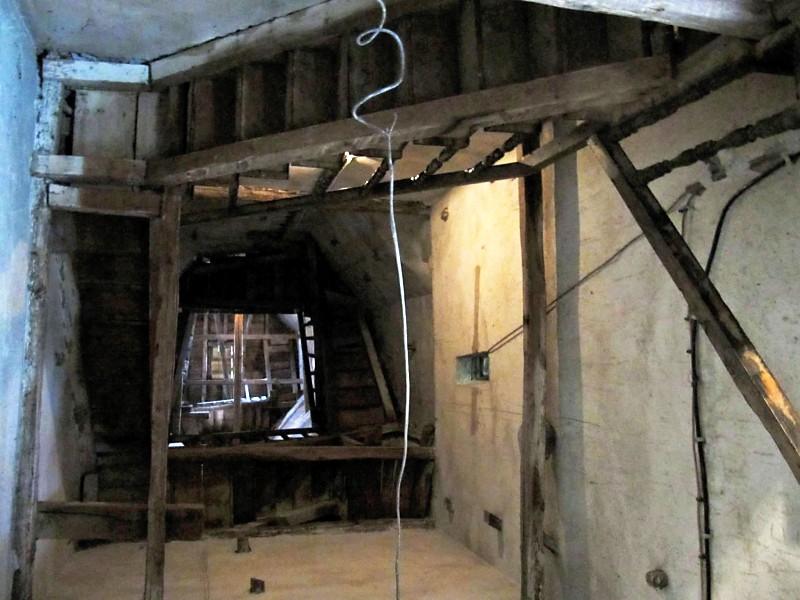
We had never had so thorough and enthusiastic a mosque tour before, but he wasn’t finished. He handed us this enormous key to the 105-step clock tower.

Excellent views–a lovely reward for an arduous climb on ancient stairs.

The outside of the mosque.

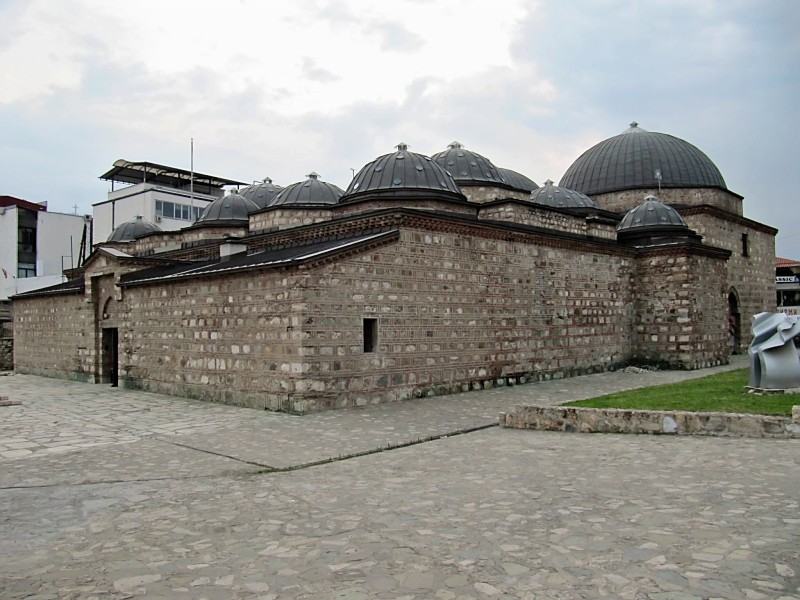
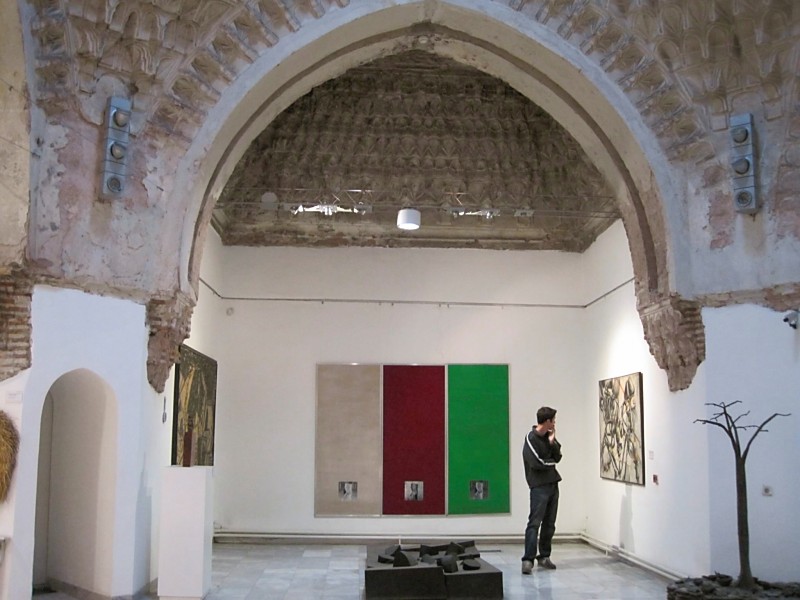
Next we explored a contemporary art gallery housed in a former Turkish bath (called a hamam).

The art enough would have been worth writing about–the Macedonian works were some of our favorite pieces we’ve seen–but the best part about this gallery is how the hamam has been thoughtfully renovated. The white walls keep the focus on the artwork, but the carved archways, remnant stones, and open-air ceilings remind you of the building’s past life.

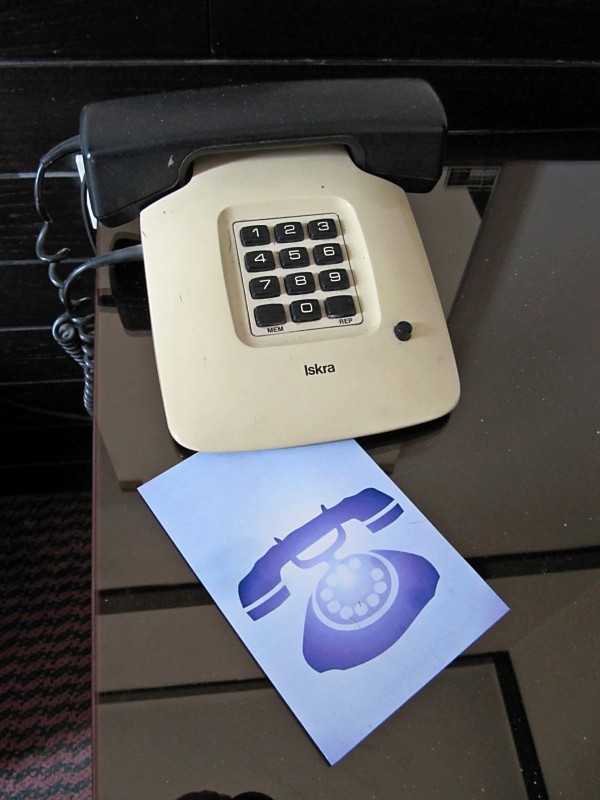
Even in some of Macedonia’s hotels, it’s impossible to forget you are in a former Yugoslavian state. Although the hotel was fairly modern, it clings to its ancient appliances. We couldn’t get this television to do anything.

One step up from rotary?

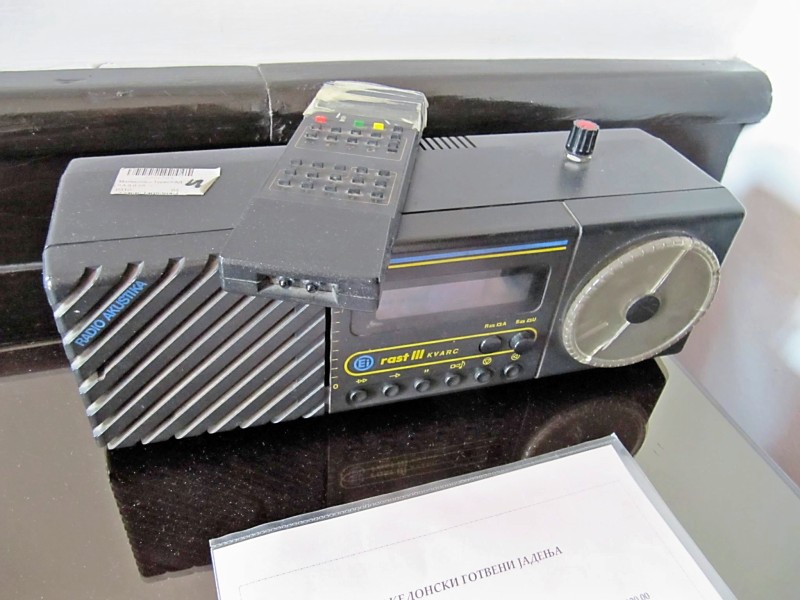
Is this some sort of music-producing machine?

Spotted this old car as well.

Posted by: Alex MacGregor | April 18, 2010

Stopover in Sofia

After getting an awesome and unexpected taste of Bulgaria, we were faced with the reason we originally came to this country in the first place: as a route between Turkey and Macedonia. In order to get to Skopje, Macedonia’s capital, from Plovdiv, you have to go via the capital of Bulgaria: Sofia (София in Cyrillic).

We had been warned that the capital is nothing like the pleasant Plovdiv–Bulgaria’s second biggest city–and is congested and noisy instead. We figured that after Maputo, Addis Ababa, and a host of other African cities, we were ready for anything.

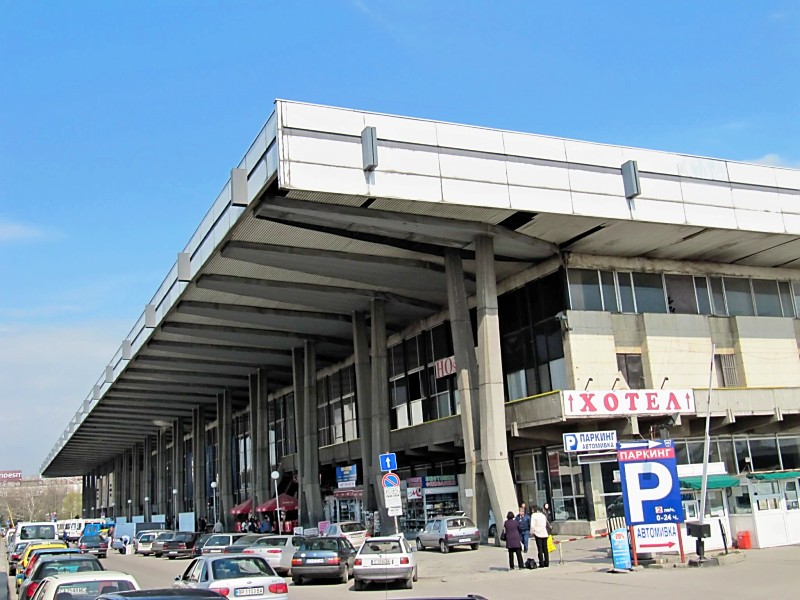
We took an early train from Plovdiv and pulled into Sofia’s train station–this wonderful monolith–around 10AM.

We arrived in a state of confusion. Where is the central part of town? How do we get there? How do we get to Skopje? Is it possible to leave our bags at the station for a while while we look around and figure things out?

We figured the information desk would be the right place to go to ask these questions. We were wrong. I was unable to even get a perceptible “no” from the woman who sits behind the desk when I asked if she spoke English, but could tell everything I needed to know from her disinterested scowl. I coached Caroline on how to address her in a second attempt at info, but she too failed to even get a word out of the embittered worker.

We tried to find a luggage holding service with signs. There were three separate signs for different luggage desks: one had a suitcase with a key symbol, one had a suitcase with a question mark, and another had a suitcase with a clock. None of them were able to provide the needed service–most of them actually appeared to be defunct, signs for nothing.

Getting sick of the train station, we decided to head to the bus station, which a more helpful worker pointed out to us.

Inside, we found another information desk, so we decided to ask a few questions there. We asked if there were buses to Skopje from this station, and if it was possible to store luggage anywhere in the station. The lady answered the questions firmly “no”, giving each answer with growing impatience.

After a few minutes of just wanting to get out of Sofia as quickly as possible, we learned that the information lady was just plain wrong. Ten feet from where she was sitting we were able to buy Skopje tickets (we had to scour through hundreds of destinations offered by dozens of bus companies for the Cyrillic letters “Скопие” to figure this out), and there was a luggage-storing facility nearby as well.

We were all ready to set out and explore for a couple hours. The only problem: we knew nothing of Sofia. We had no guidebook for Bulgaria–we were just navigating by dots on a map until we got to Macedonia–and we didn’t even know which direction the center was. You might think the tourism department would post a map, but there was none in evidence.

Thankfully, we found a McDonald’s advertisement with an unlabeled map showing the McDonald’s locations around town. It appeared that if we walked perpendicularly to the rail lines, we would get to a part of town with numerous McDonald’s restaurants, which is probably also where other nice, touristy things are. And if not, at least there would be McDonald’s.

So we set off. Eventually, we found a McDonald’s! For providing more information to us than both government information desk workers combined, we rewarded them by spending our last few Lev eating there. There was nothing special like the McArabia sandwich I had in Cairo, but it was still excellent!

After lunch, we wandered aimlessly looking for things of touristic interest and trying to figure out what they were.

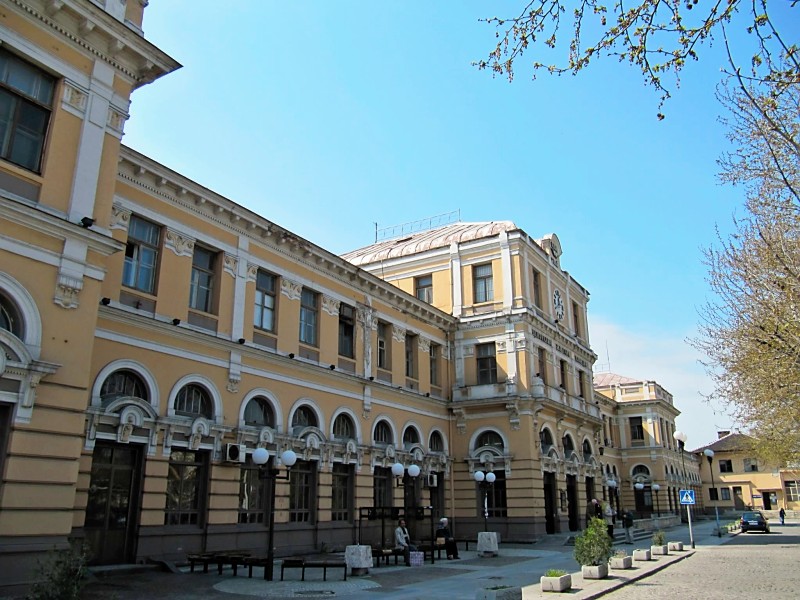
We saw some of Sofia’s nice, pretty government buildings…

…although not all of them are quite so pretty.

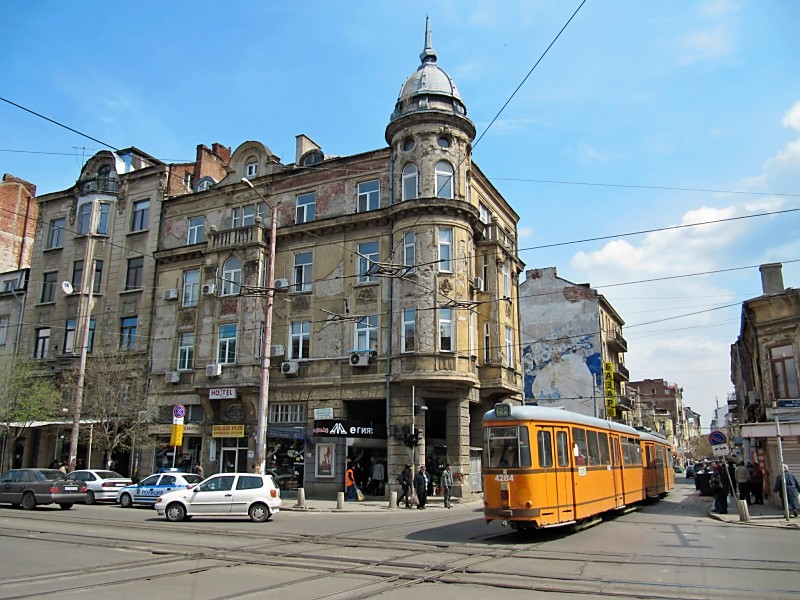
The streets aren’t quite as lovingly cared for as in Plovdiv, but there were still some nice spots.

A beautifully-converted shopping mall.

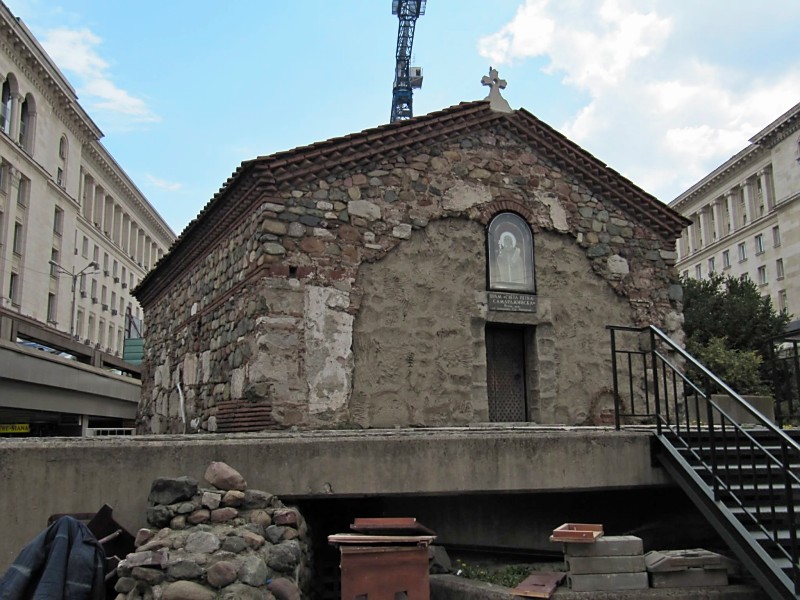
An Orthodox Church located in the middle of one of Sofia’s main intersections.

One of the largest synagogues in Europe is in Sofia, apparently.

We apparently missed some great stuff–no wonder when you have only a few hours in a city of 1.5 million, and no map–but had a good time nonetheless. As for Sofia itself, the city might not win the Olympics any time soon, but it’s a nice enough place. Certainly compared to Maputo, at least!

Posted by: Alex MacGregor | April 17, 2010

Into the Mountains

We were having such a good time in Bulgaria that we wanted an excuse to stay longer, so we checked the internet to see if there were any interesting day trips to be had in the area. Within a few minutes, we learned that a monastery called Bachkovo was located in the mountains 35km south of Plovdiv. It seemed that tour groups made the trip to this place regularly, so it must be worth seeing.

Information in English on how to travel to the monastery independently was non-existent, so we scribbled a few relevant words in the Cyrillic alaphabet onto a slip of paper. We knew that Асеновград meant Asenovgrad, a city that was halfway to the monastery, and that Бачковски манастир meant Bachkovo Monastery. Armed with our slip of paper, we decided to set off the old fashioned way: asking around and hoping to find transport in the right direction.

The first step was to go to Plovdiv’s combined bus/train station to find a way to Asenovgrad.
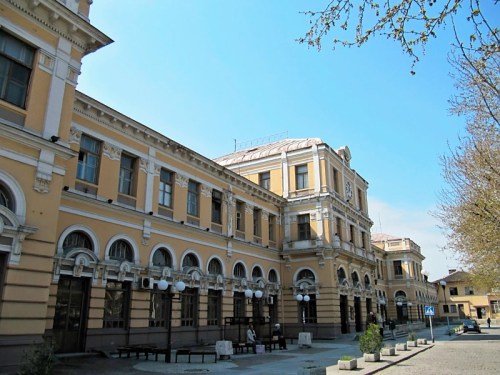
Eventually we learned that trains were the best way to make the journey, and that they set off on the 20km route every hour. Of course, the first train left during the time it took us to figure this out, but we resolved to make it onto the second one. In the meantime, we were able to watch artifacts of a command economy hard at work, even in this era of capitalism.
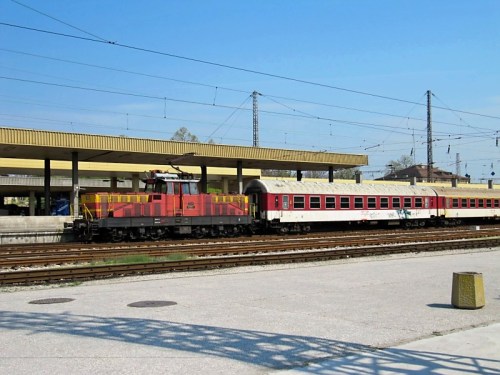
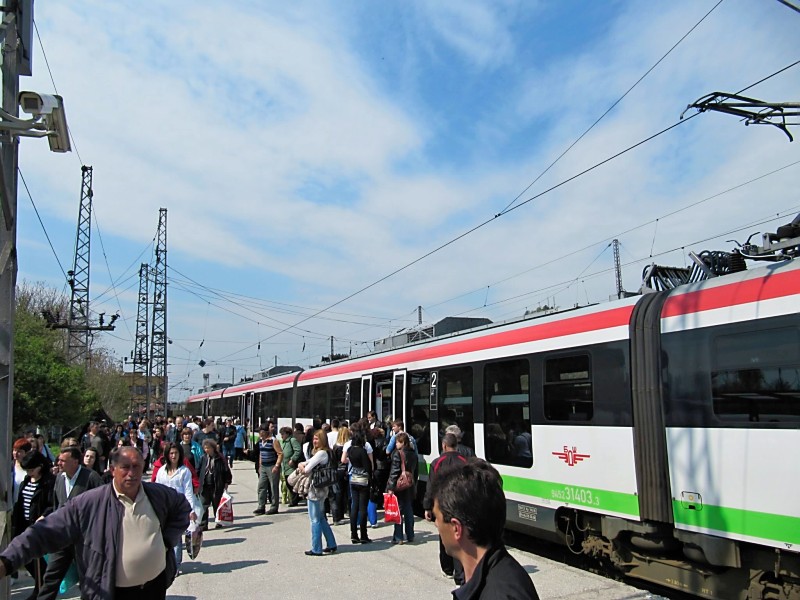
From the look of some of the longer-distance  trains, we were prepared for the worst for our commuter train to small Asenovgrad. But Bulgaria surprised us once again when this flashy, modern train pulled up right on time and filled up with people.

Exactly half an hour later we were in Asenovgrad, negotiating a cab rate to Bachkovo with the help of our limited Bulgarian vocabulary and the little slip of paper. For about $15, we would be dropped of at Bachkovo and picked up a few hours later.

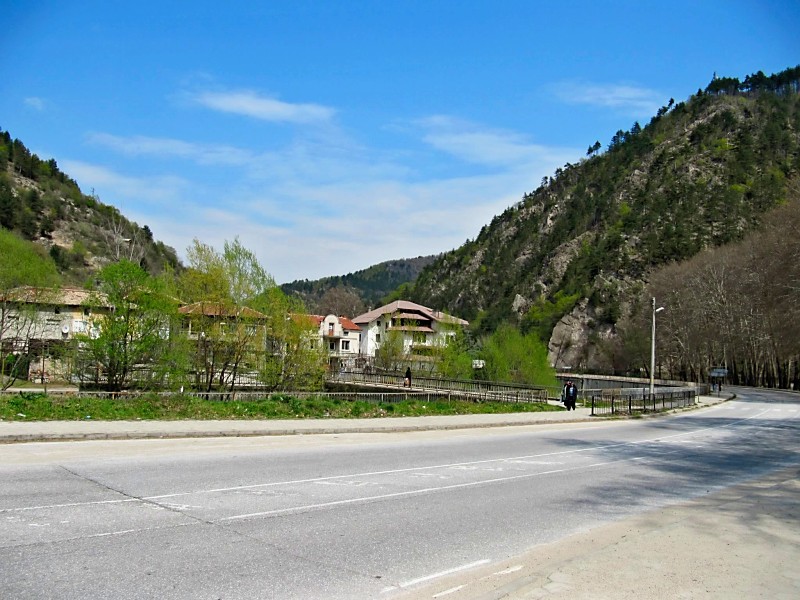
After a few minutes of wild driving, we were dropped off in the mountains.

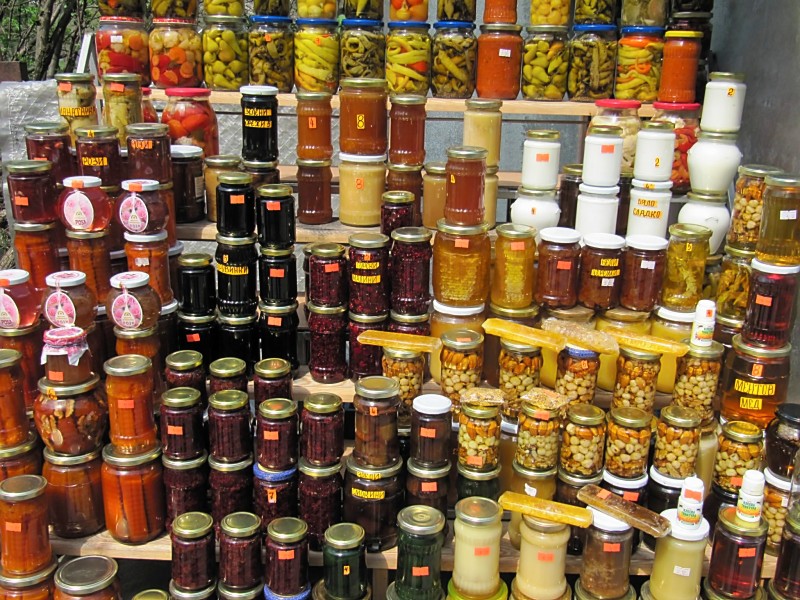
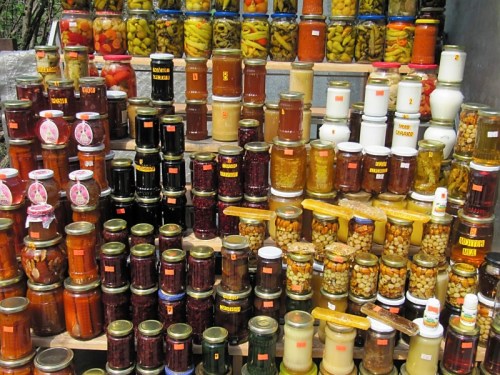
The path up to the monastery is lined with cafes and people selling jam, honey, and an array of less-easy-to-identify goodies.
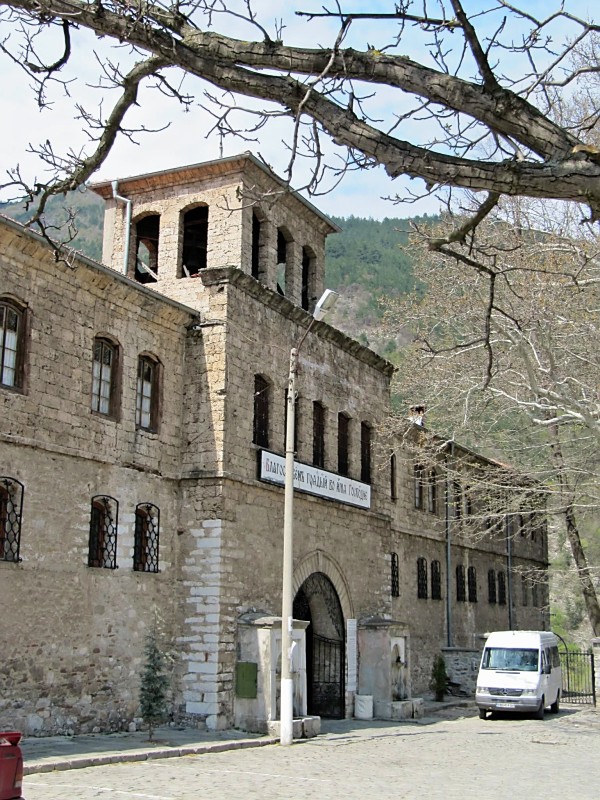
Further up the lane, we finally made it to the monastery.
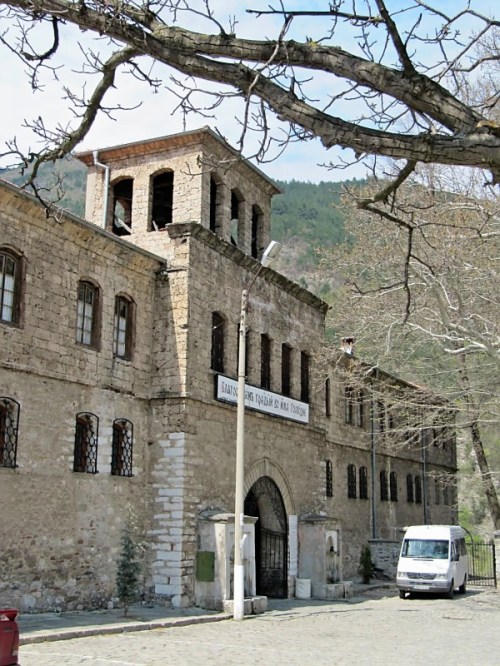
The inside of the monastery features a beautiful church surrounded by living quarters. Unlike in the Topkapi Palace in Istanbul, we decided to respect the no photography signs in the entryway.

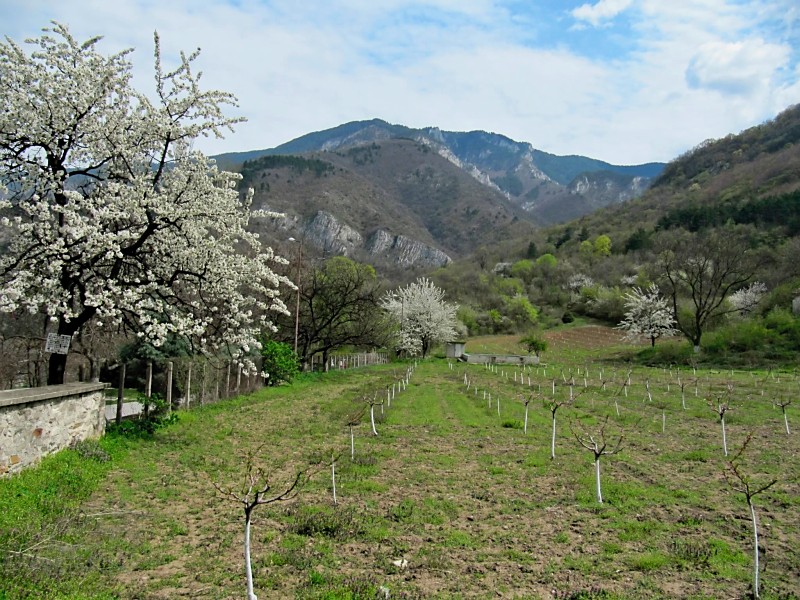
The monastery’s setting is incredible.

We noticed a gate with a pathway leading deeper into the orchards and, after seeing this sign next to it, figured we could head in and see what there was to be seen.
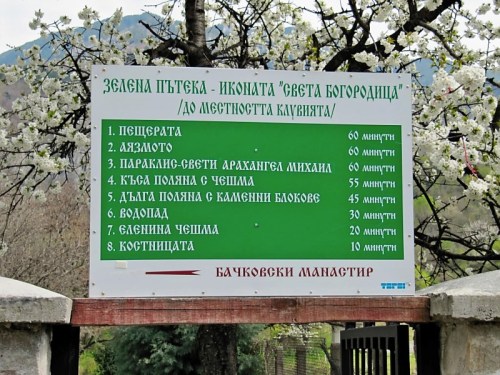
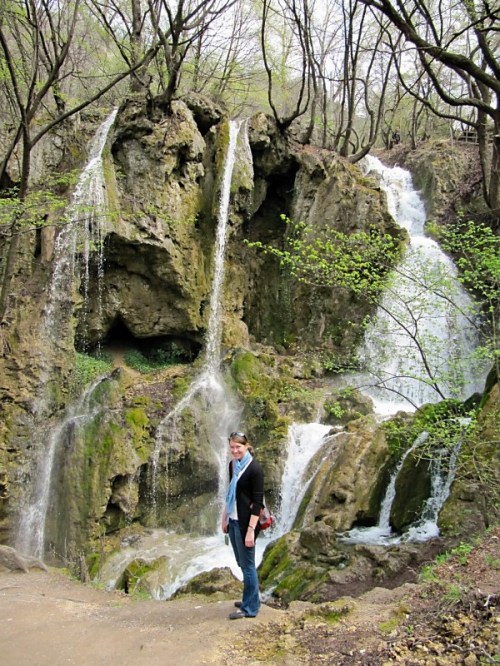
After a few minutes, and much to Caroline’s delight, we stumbled upon a great waterfall.
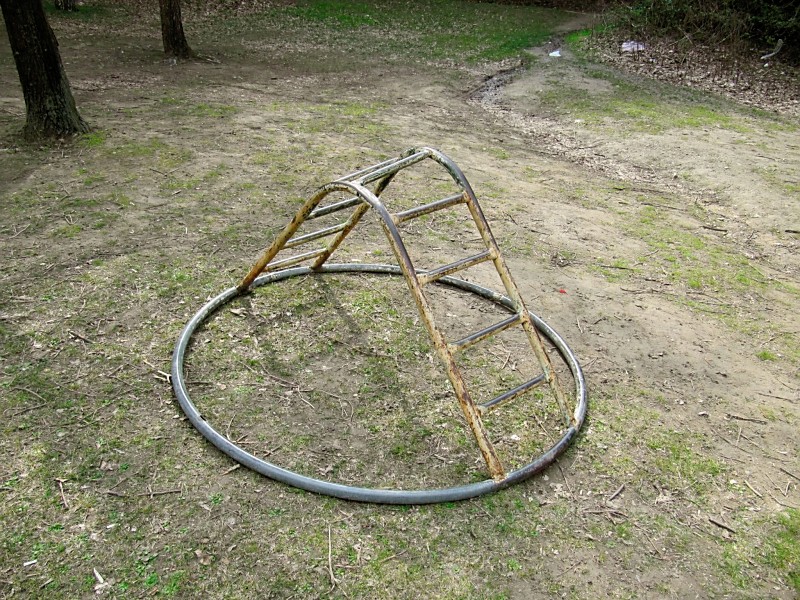
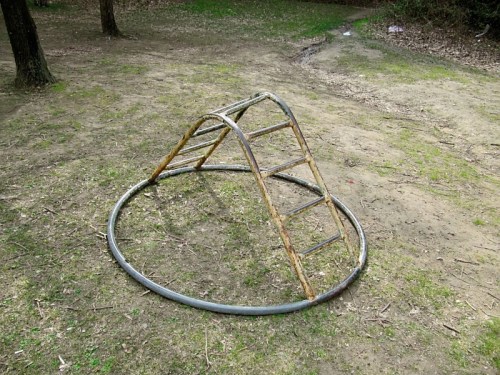
We also spotted this Bulgaria-style playground.
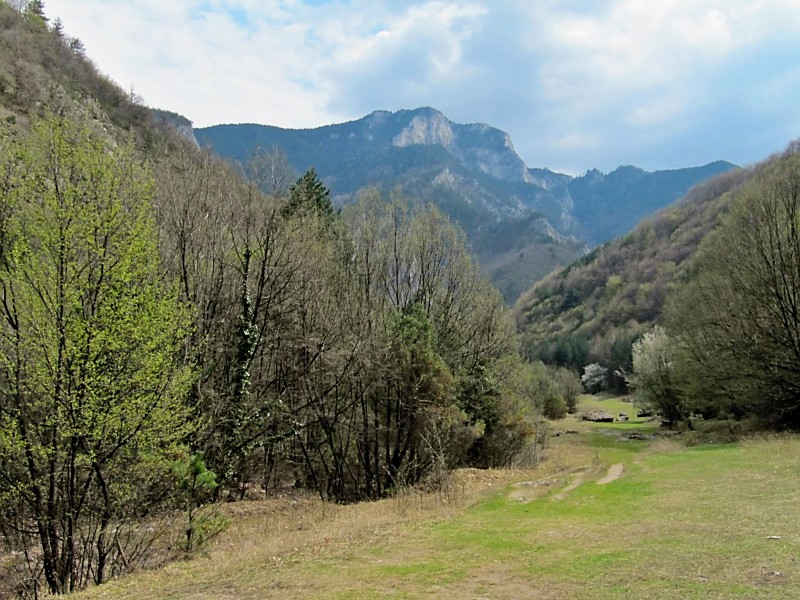
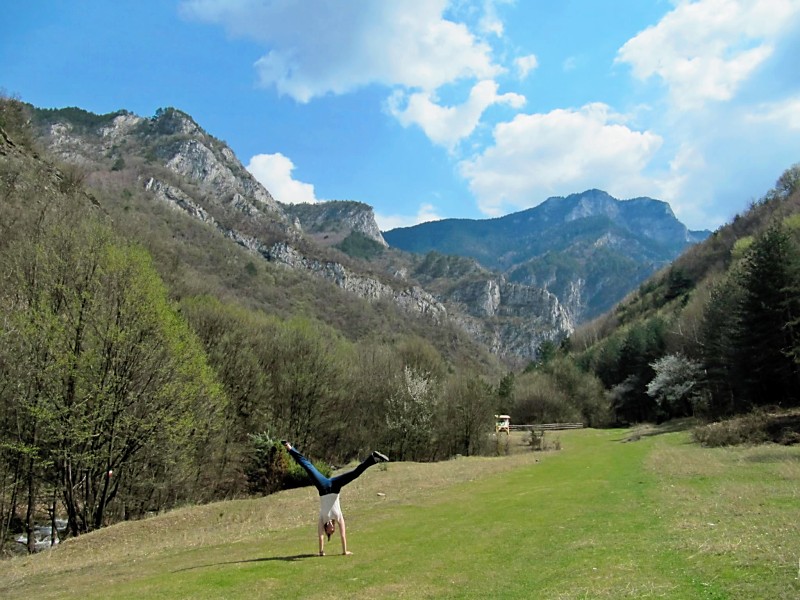
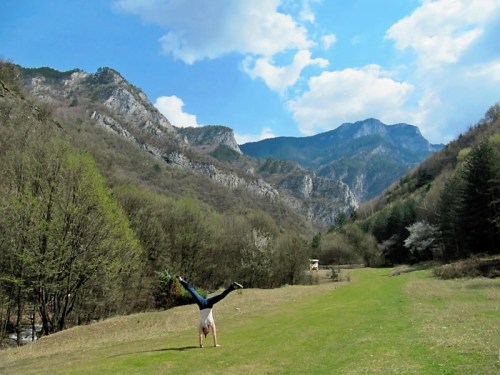
As we kept on going further and further, the scenery just got better and better. Before long, we were happily wandering around in scenic meadows, without another soul in sight.

Caroline was especially happy!
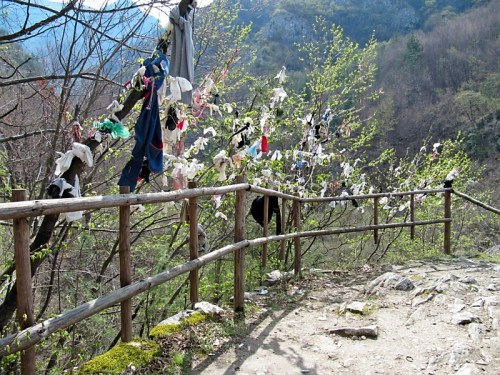
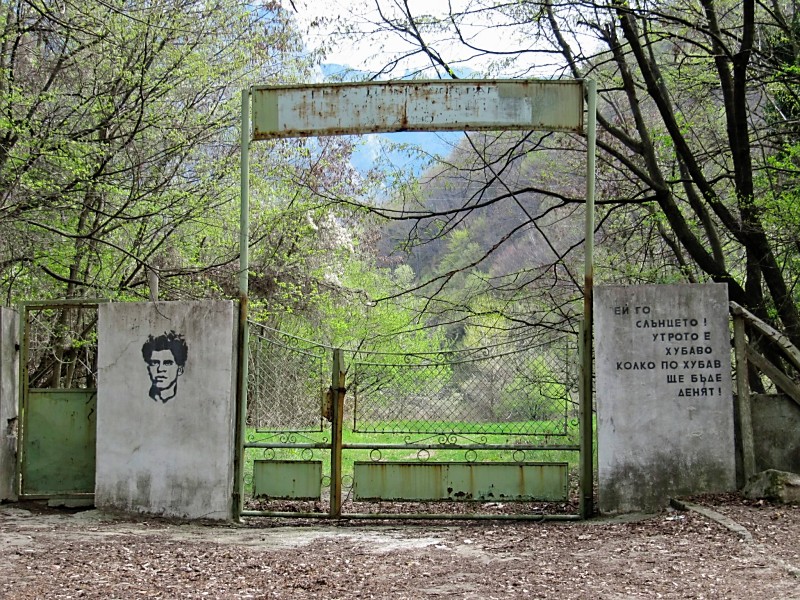
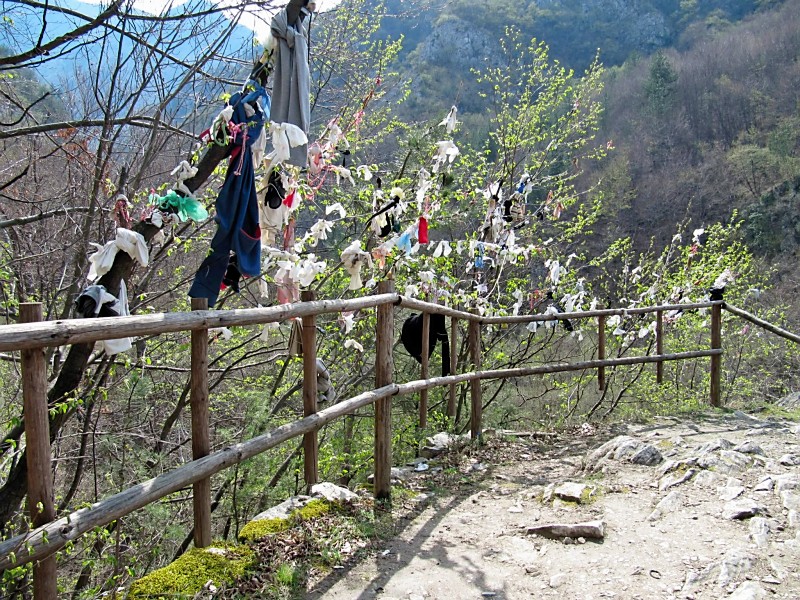
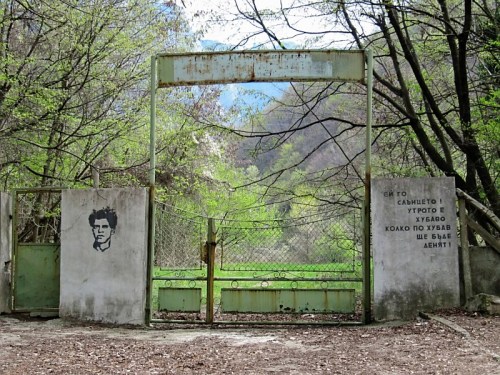
To prevent you from forgetting you’re in Eastern Europe, you stumble upon something stark and mysterious such as this every so often.
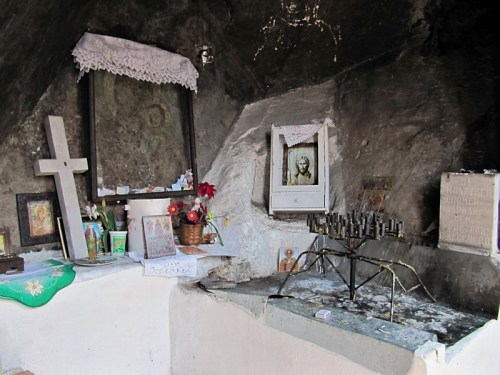
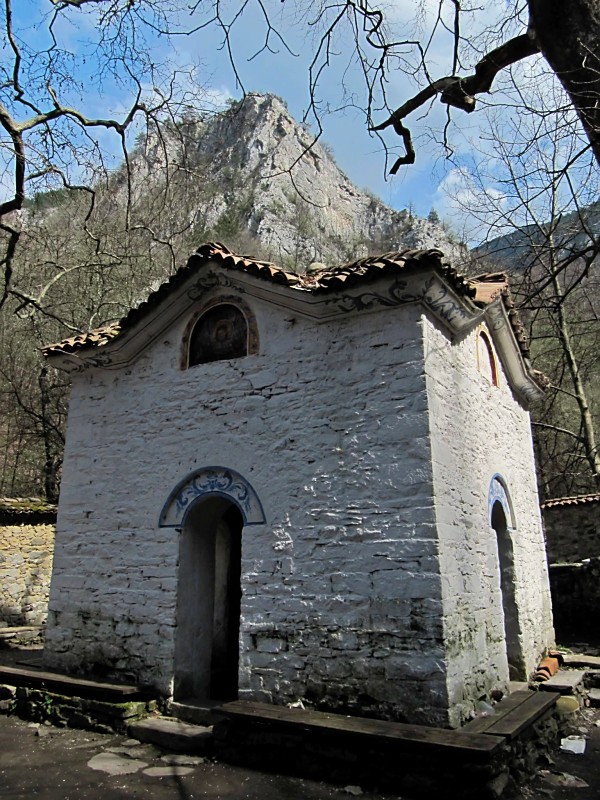
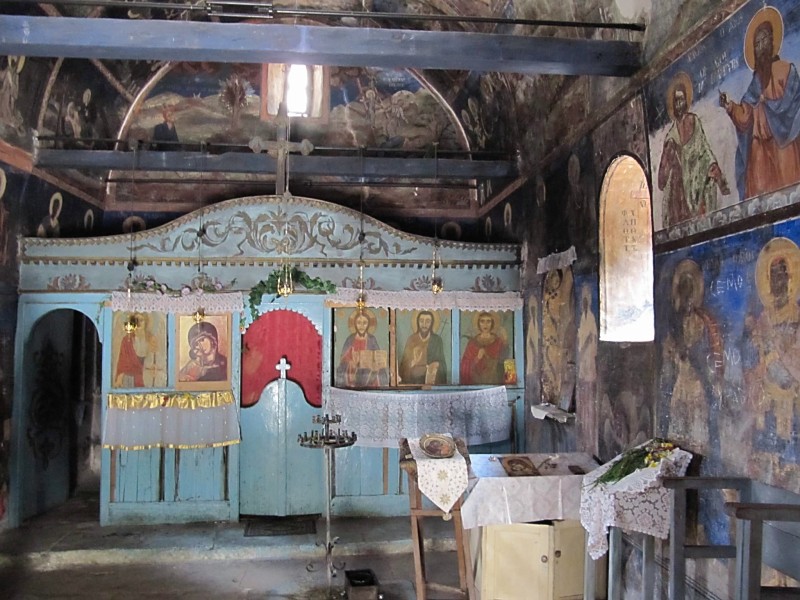
After a while longer walking through the mountains, we eventually discovered a tiny church.
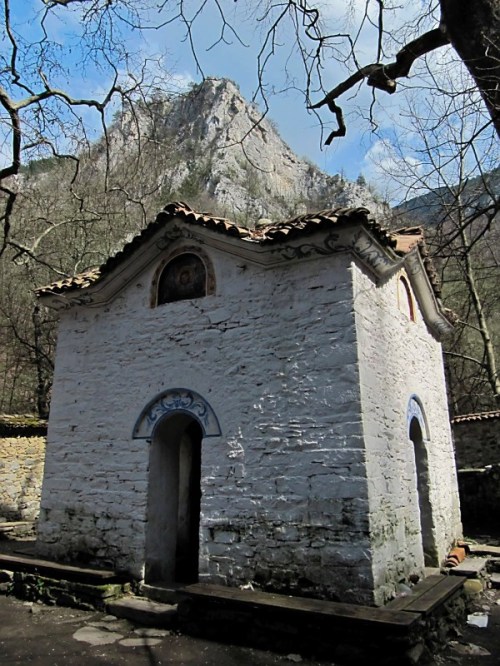
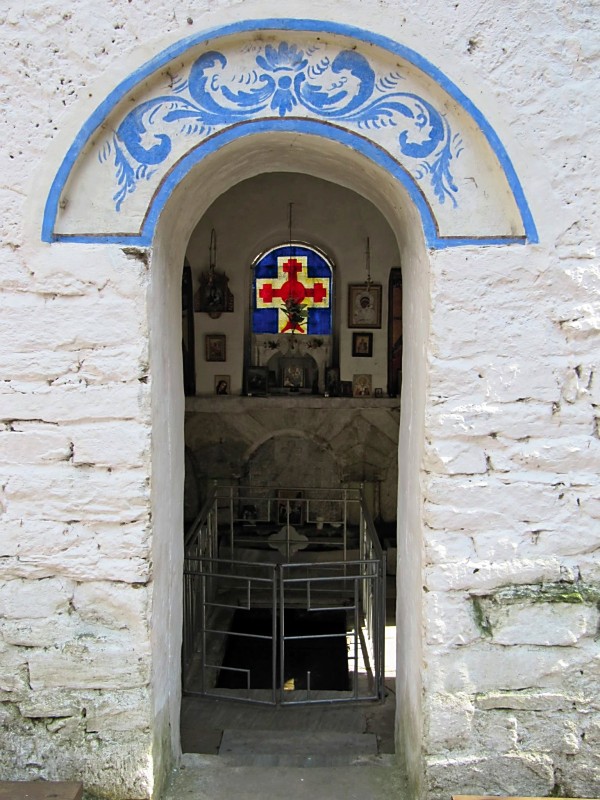
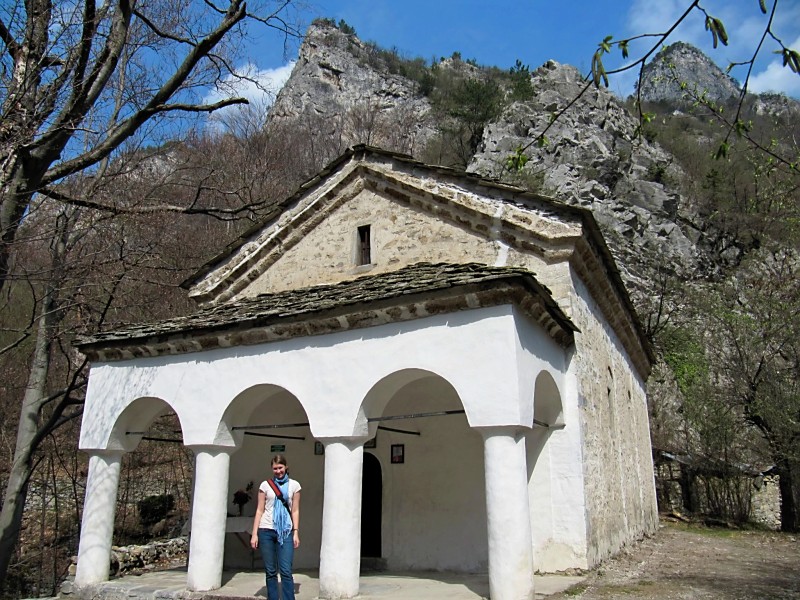
We started stumbling upon more and more of these, all small and uninhabited. The fact that we had no idea this was in store for us made it all the more mysterious and enjoyable.
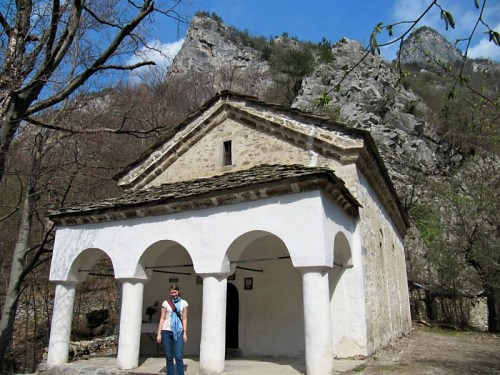
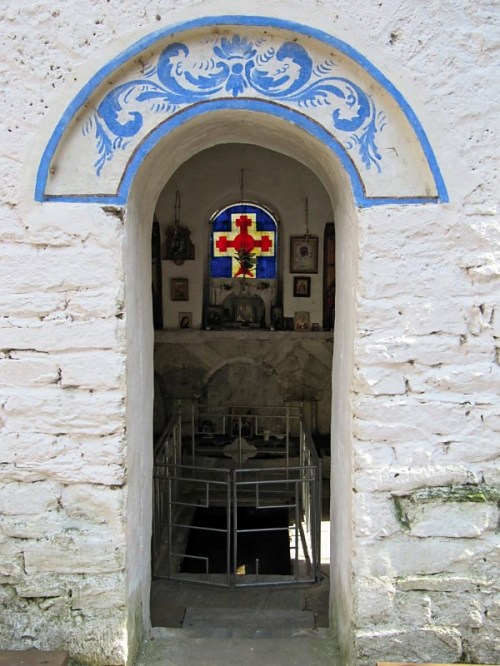
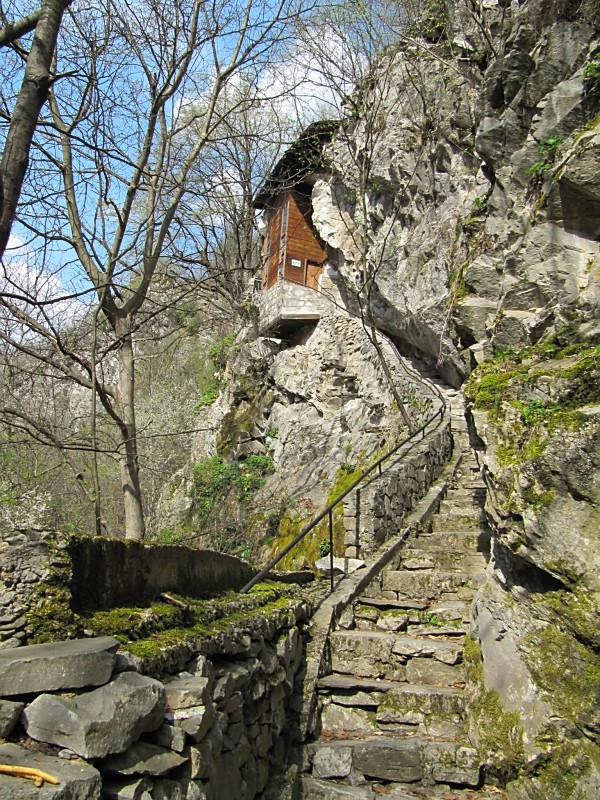
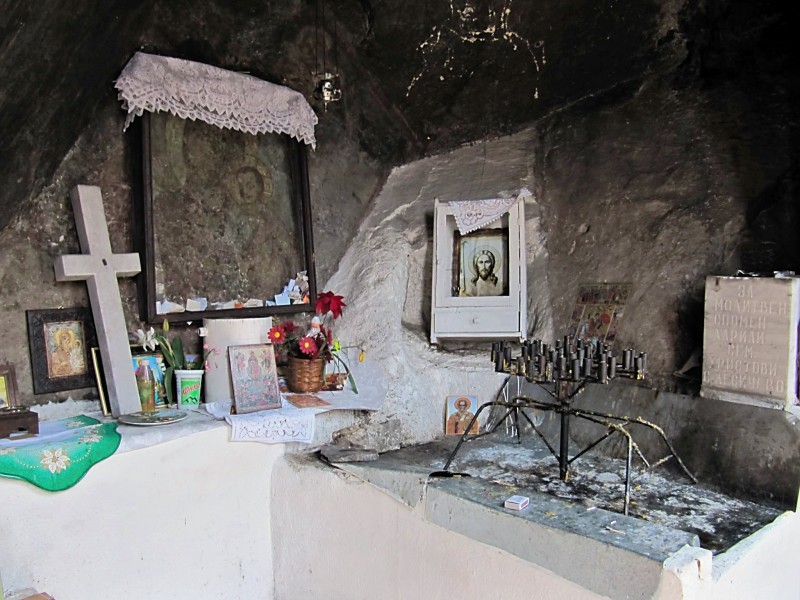
This church, little more than a shrine, was built into the side of a cliff.

When we set off in the morning, we had no idea we were headed to such a tranquil, beautiful place!

It was getting late in the day, so we made our way down from the mountain and back into town. We just missed the four o’clock train back to Plovdiv, so we spent some time in Asenovgrad.

The town turned out to be pretty nice, so we headed to a riverside cafe to kill some time before the train.
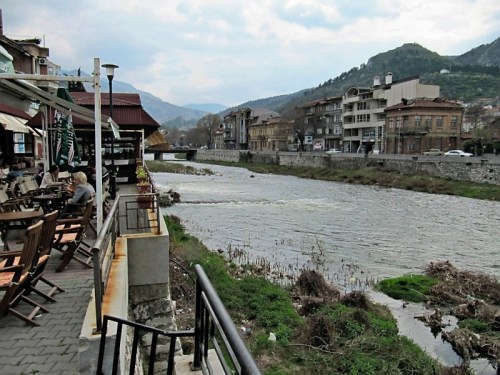
What had started out as an excuse to stay in Plovdiv for an extra night turned out to be one of the most unexpected delights of our entire trip!
Posted by: Caroline | April 15, 2010

Night Train to Plovdiv

I once had a Bulgarian teaching assistant in an introduction to drama course, and as she was introducing herself to the class, I thought, “Wow. Bulgaria. A place I am not interested in visiting.” I imagined it as a drab, cheerless country, for no reason much more than how the name Bulgaria sounds.

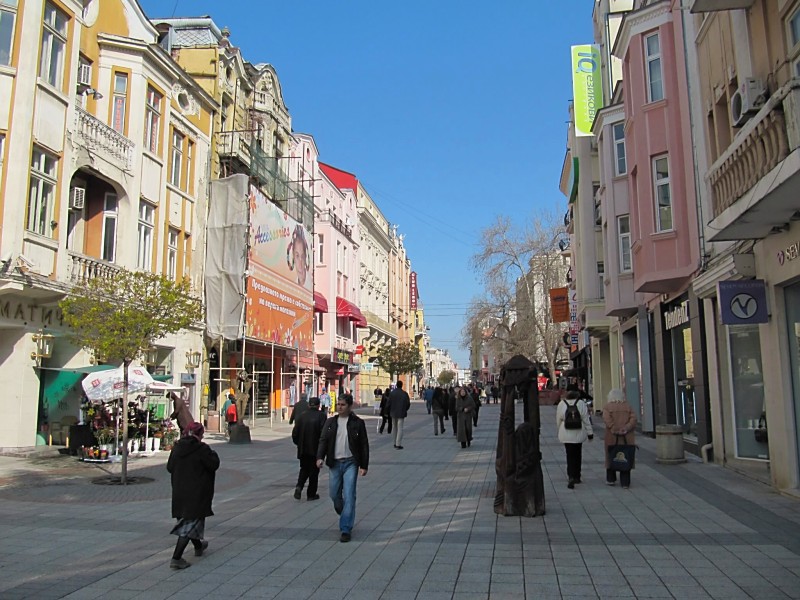
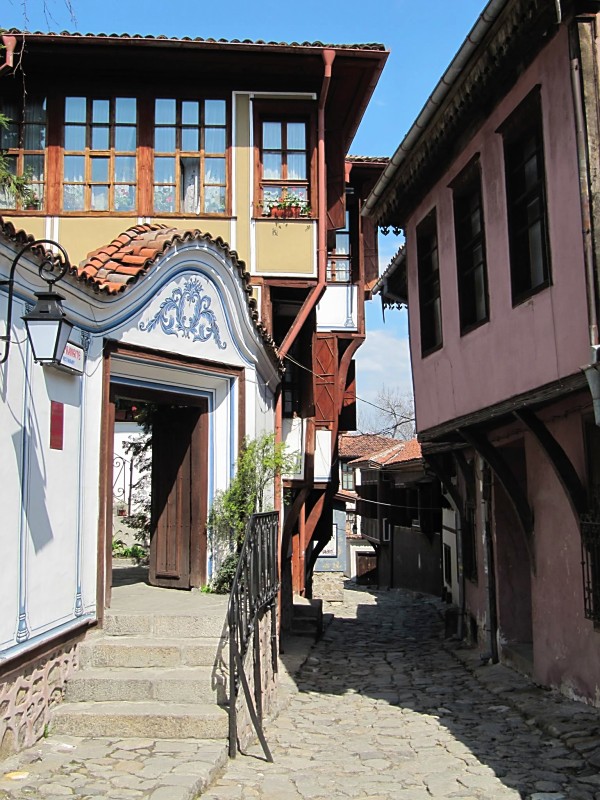
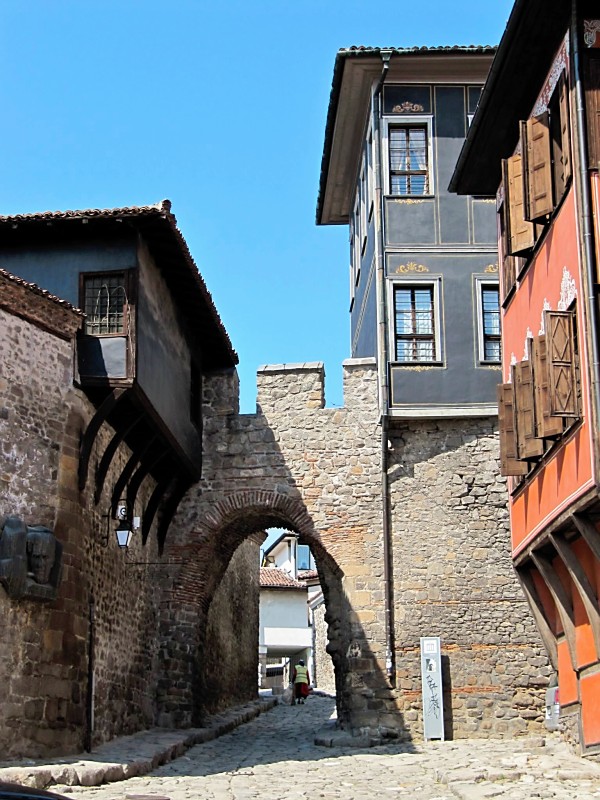
But how it looks is a much different story. When we stepped off the night train from Istanbul into a vivid, sunny Plovdiv, we were stunned. Classical buildings are washed in pink and orange; historic, gingerbread-like houses watch over cobbled streets; and puppeteers manipulate marionettes to the sounds of jewelry-box music on the pedestrian promenade.

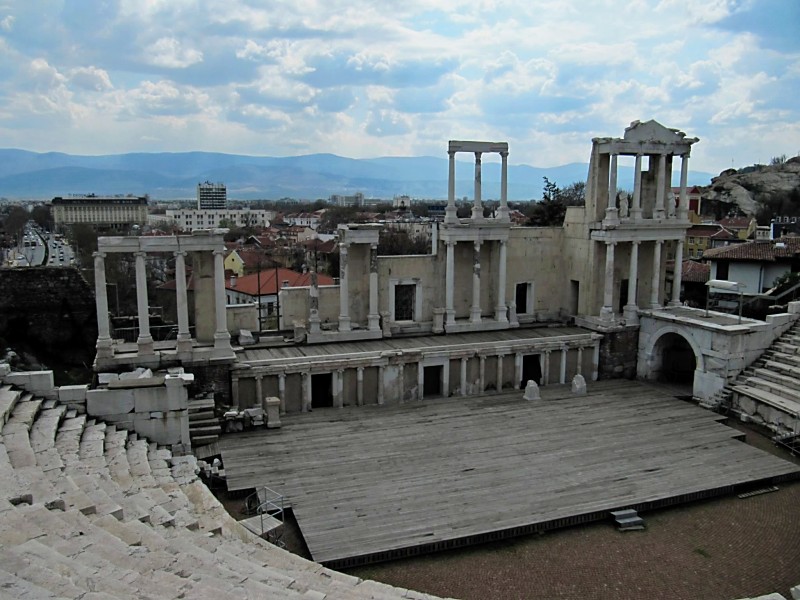
But the city is home to some structures much more ancient than these old houses–like this Roman amphitheatre, once a stage to everything from political meetings to gladiator battles.

Half the fun of traveling in Bulgaria is working with the Cyrillic alphabet. Often when traveling in a country with another language, we can at least depend on recognizing the names of cities. But in Cyrillic, Plovdiv becomes a hardly recognizable Пловдив. Can you make any sense out of this train timetable?

We lucked out on a cheap, central hostel with incredible views (is that combination even possible in Western Europe?):

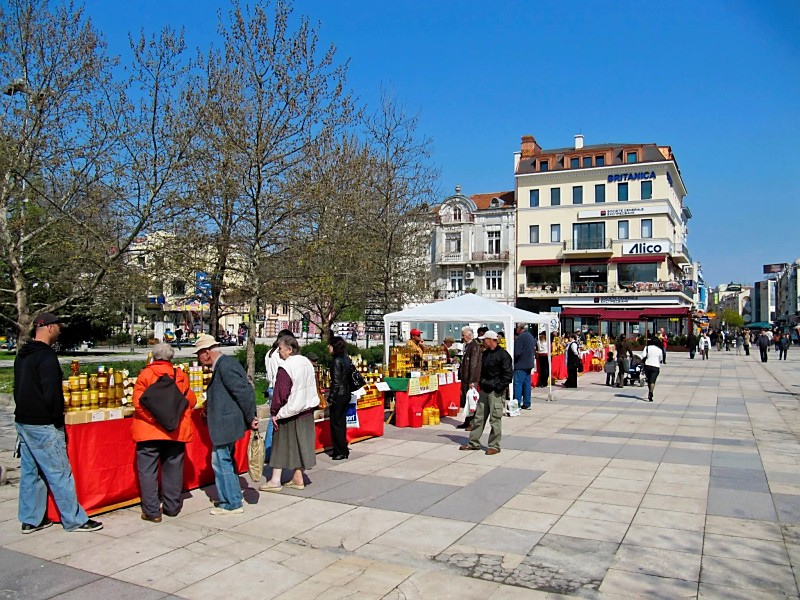
There’s even a honey market.

But Plovdiv isn’t sickeningly sweet. Its gingerbread character is balanced by seedier elements. In Plovdiv, alternative culture seems to be the mainstream culture. Every woman, young or old, owns a black leather jacket; she also probably sports crimson or bleached blond hair while smoking cigarettes against the wall of a tattoo parlor. Casinos and “lingerie” shops are found wedged between bakeries and luxury clothing stores on main streets rather than dark alleys. It’s not that the people of Plovdiv seem to indulge in more vice than the rest of the world; they just don’t seem to be ashamed of it!

One thing we loved about Plovdiv’s historic houses is that many have been lovingly and tastefully transformed into usable spaces, like restaurants or museums.

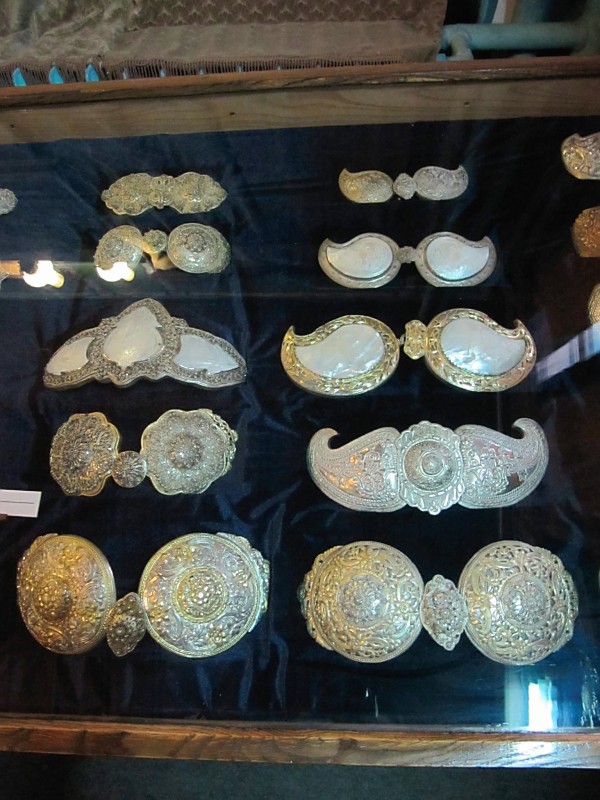
For example, the Ethnographic Museum. It displays the trappings of traditional Bulgarian life, like these enormous belt buckles…

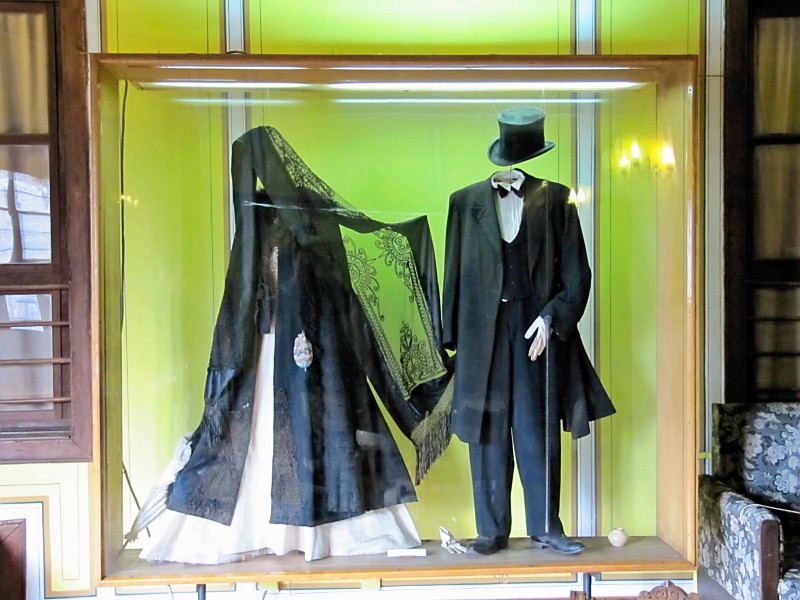
… or these outfits …

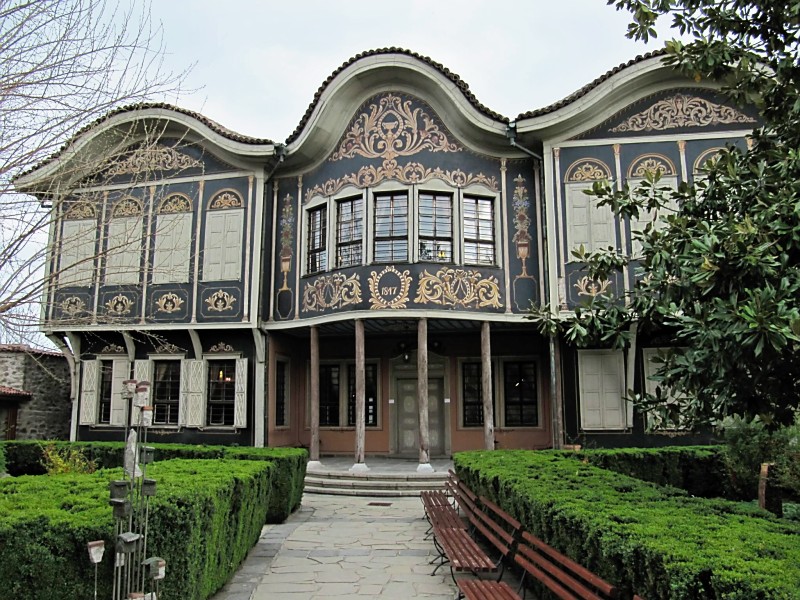
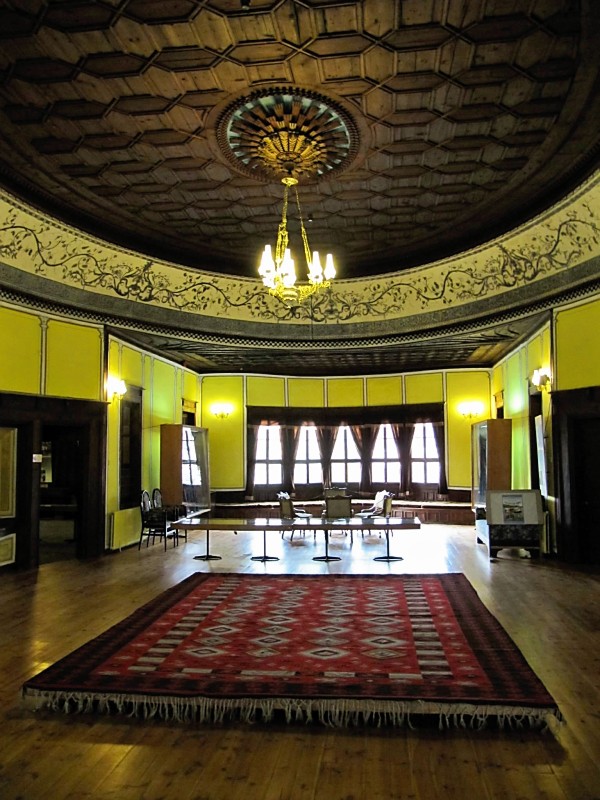
… but the real reason to go to the museum (according to me) is the beautiful building that houses it.

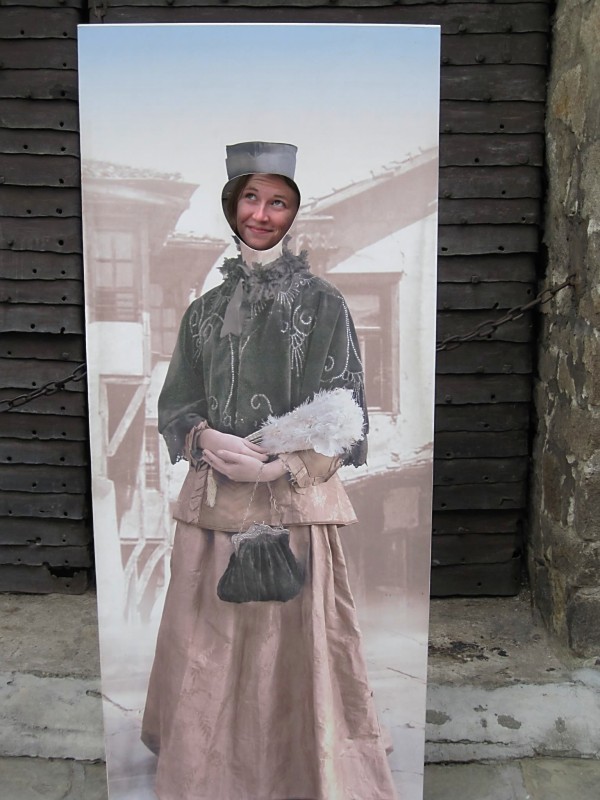
Oh, and of course the photo ops in the museum courtyard are unparalleled.

We visited another old house that now serves as a restaurant.

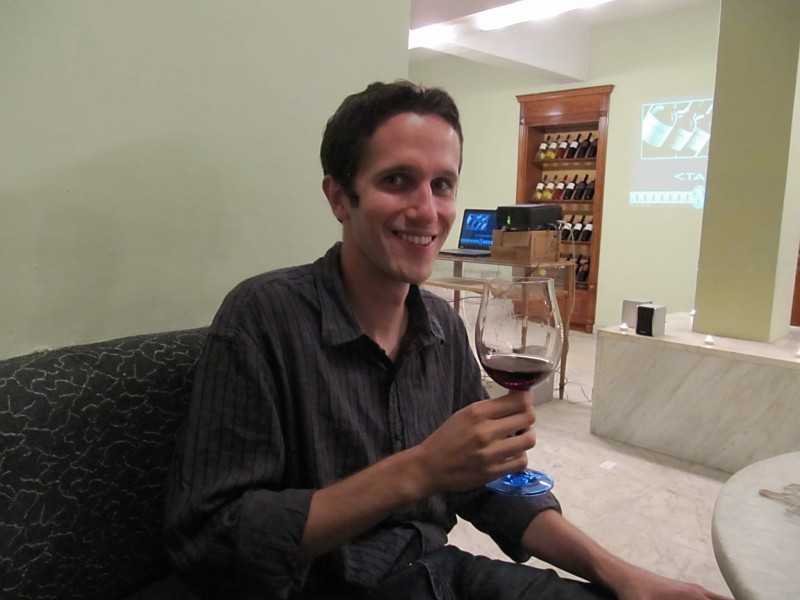
Here we met an American who now works in the burgeoning Bulgarian wine tourism industry. After helping us order (we’re not quite fluent in Bulgarian yet), he invited us to a tasting to be held in yet another gorgeous old house. I was initially nervous about attending because I don’t know anything about wine except whether I want red or white. But it was a beginner-friendly event where the focus was on enjoying one good wine, rather than tasting several. In the next few years, Bulgaria will have some really wonderful established wine trails for tourists (like South Africa does in the Cape Town area).

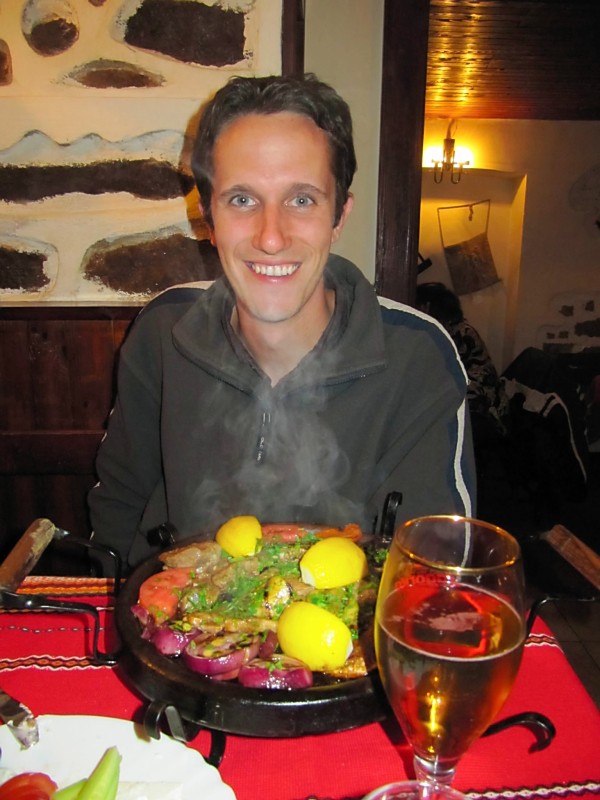
We couldn’t leave the country without sampling some traditional Bulgarian cuisine. Alex claims this was one of the best meals of the trip:

Posted by: Alex MacGregor | April 13, 2010

The Treasures of Istanbul

In addition to being an all-around awesome place, with tons of great food, colorful markets, and pleasant places to spend time, İstanbul’s long history provides a huge range of great historical places to see. We literally were only able to visit a small fraction of them.

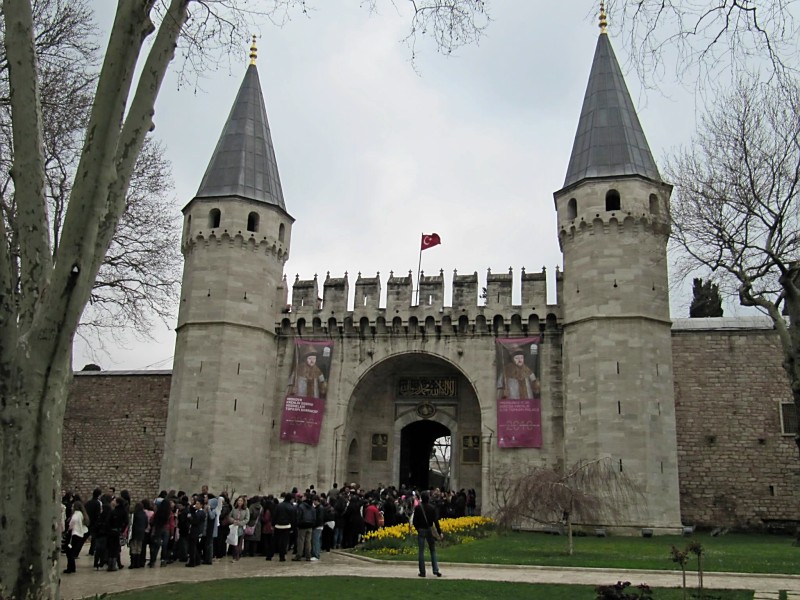
One of the most famous places is the Topkapi Palace, where Ottoman Sultans lived for hundreds of years following the fall of Constantinople.

The Palace is set around a series of courtyards, each one for a more exclusive set of people than the last.

The family’s leisure areas, around the fourth and most private court.

Palace Gardens

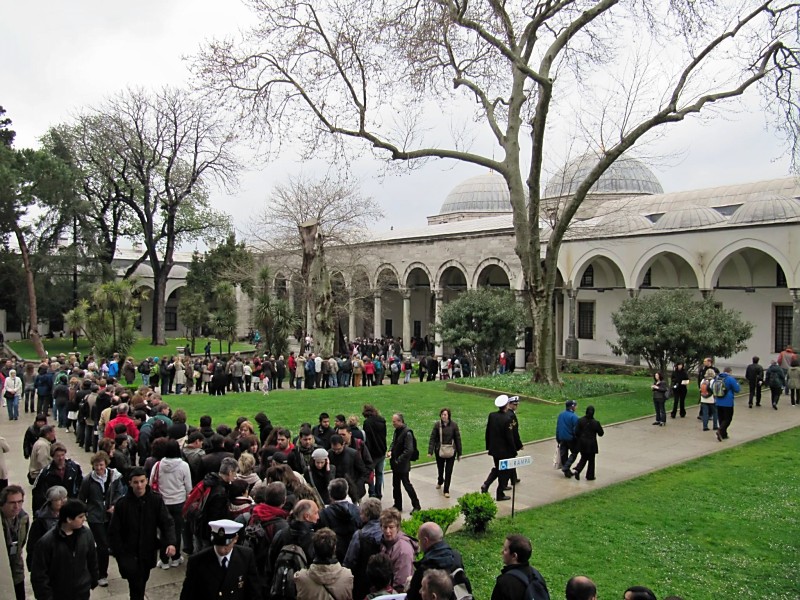
We soon discovered that the place was so incredibly mobbed with tourists that it was nearly impossible to do anything. This is the line to see the Royal Treasures, which we stood no chance of making it through in the 45 degree wind. So I guess that technically the title of the post is a bit misleading…

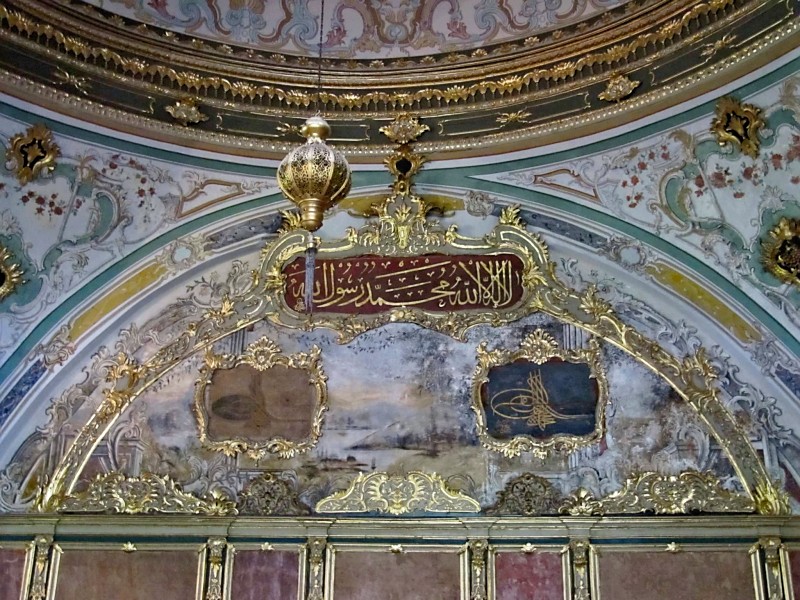
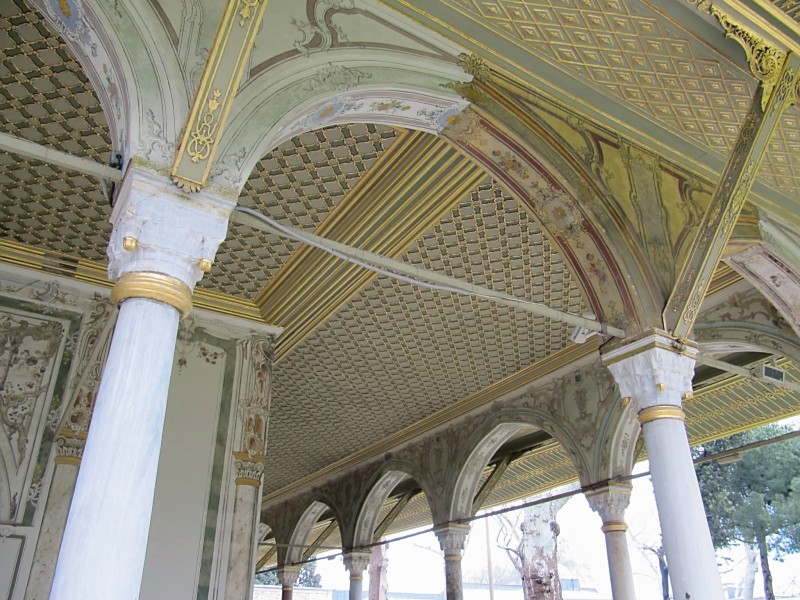
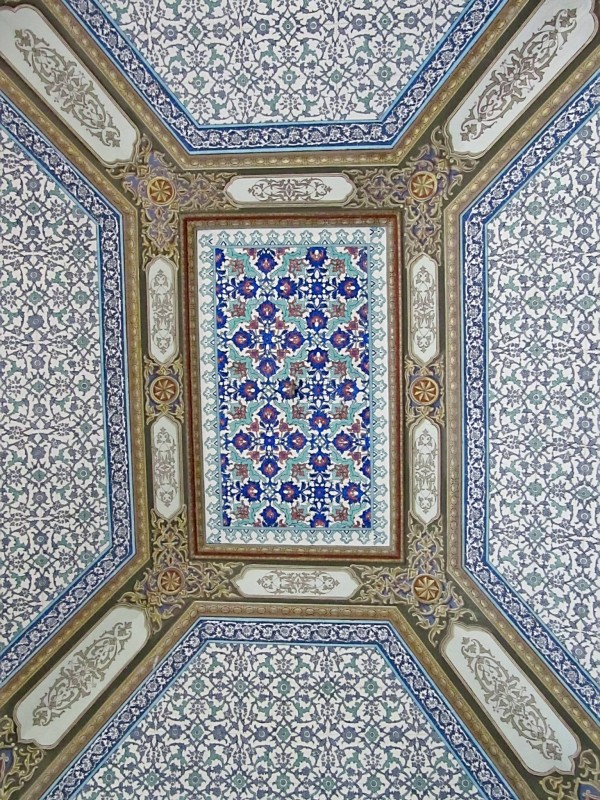
Anyhow, we decided to just look around the less-mobbed parts of the Palace and soak up some of the stunning architecture and decorations.

There was apparently a ban on indoor photography in effect, but nobody seemed to pay much attention to it and camera flashes were going off left an right. What’s that? An unenforced prohibition? How very African of you, Istanbul! Anyways, I snapped away in the interior areas like everyone else.

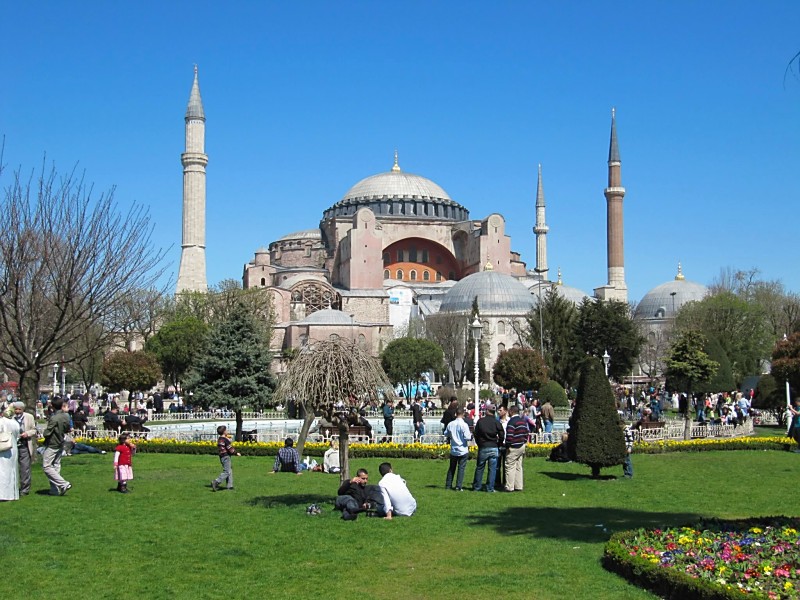
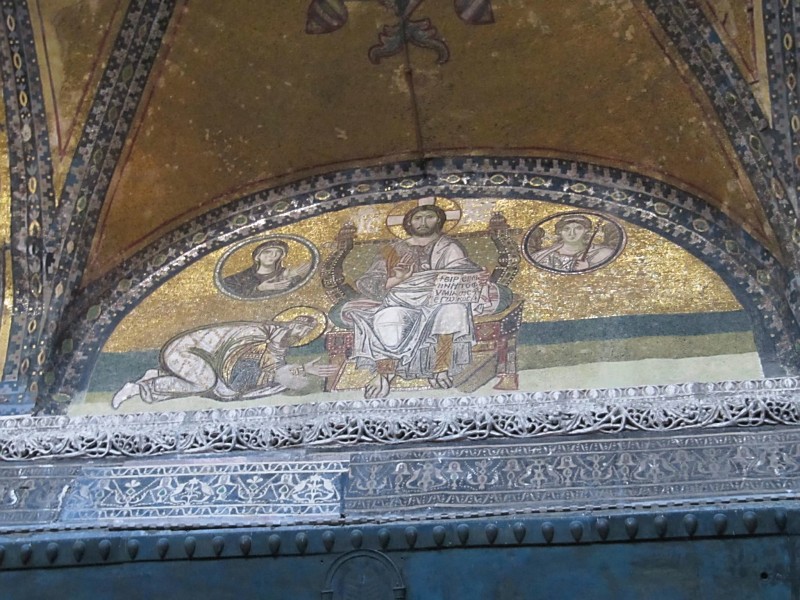
Of course, the iconic Hagia Sophia could not be missed. This building was originally constructed in the sıxth century as a church, and was eventually converted into a mosque, and then finally made into a museum.

Hagia Sophia’s massive dome.

Mosaic of Jesus

Mosaic arches. The museum has an incredible amount of detail all over the place.

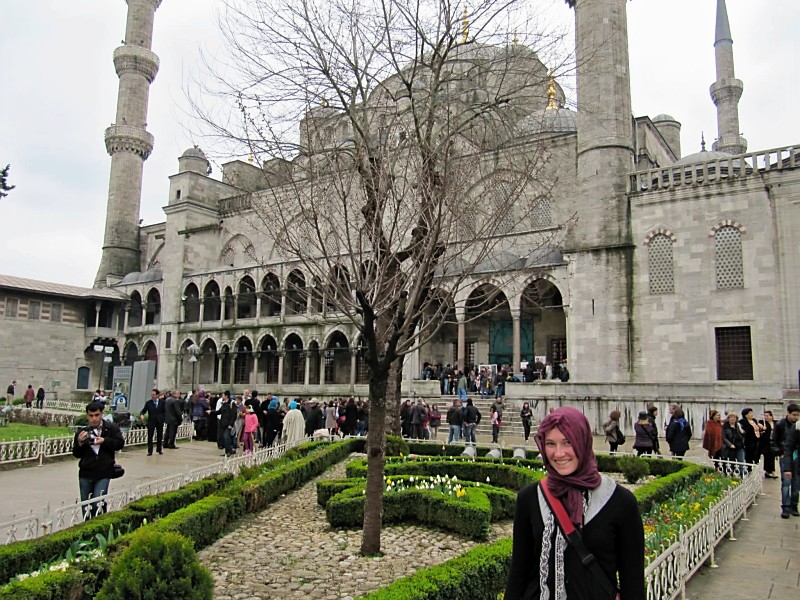
Hagia Sophia rival, the Blue Mosque, stands on the other side of a park. It was built during the height of the Ottoman Empire in an effort to outdo Hagia Sophia’s beauty.

Caroline in Mosque-mode.

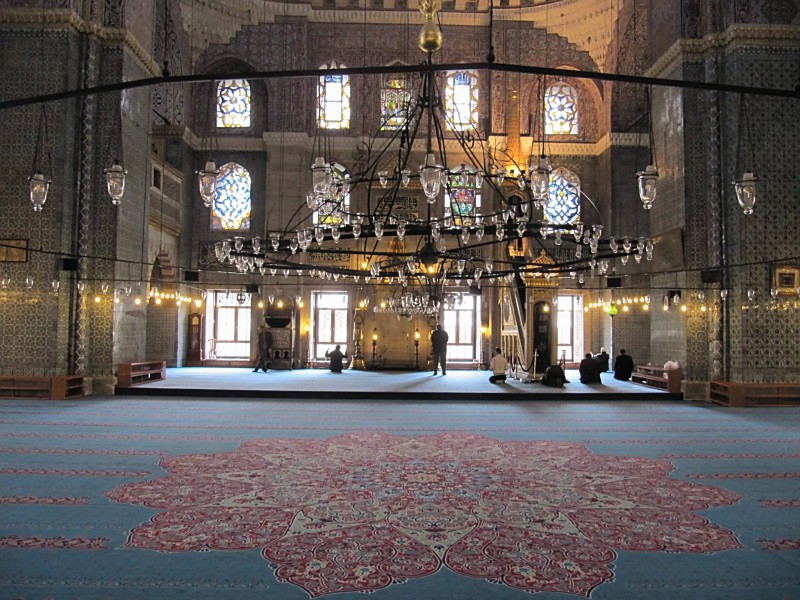
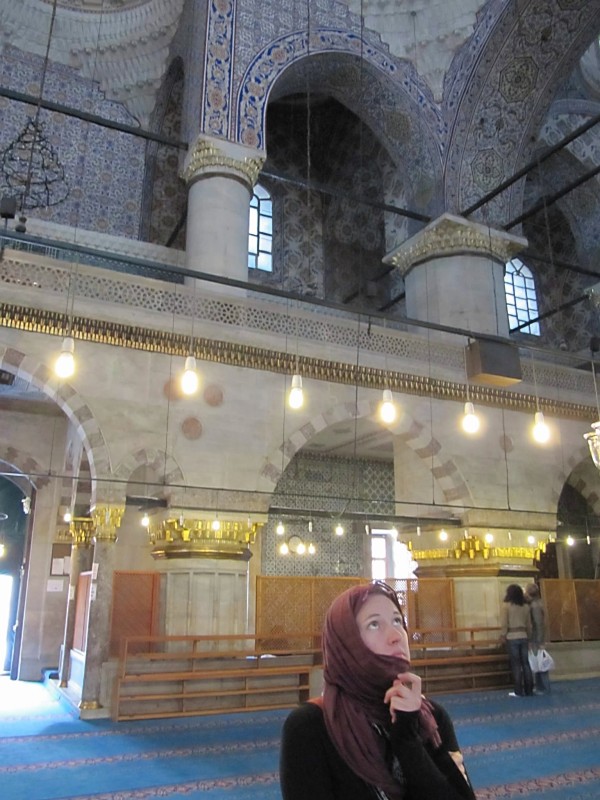
Eventually, we developed a habit of just walking around and checking out every mosque we came across–they are all over the place. We were pleasantly rewarded!

Yeni Cami

A tomb near Yenı Camı.

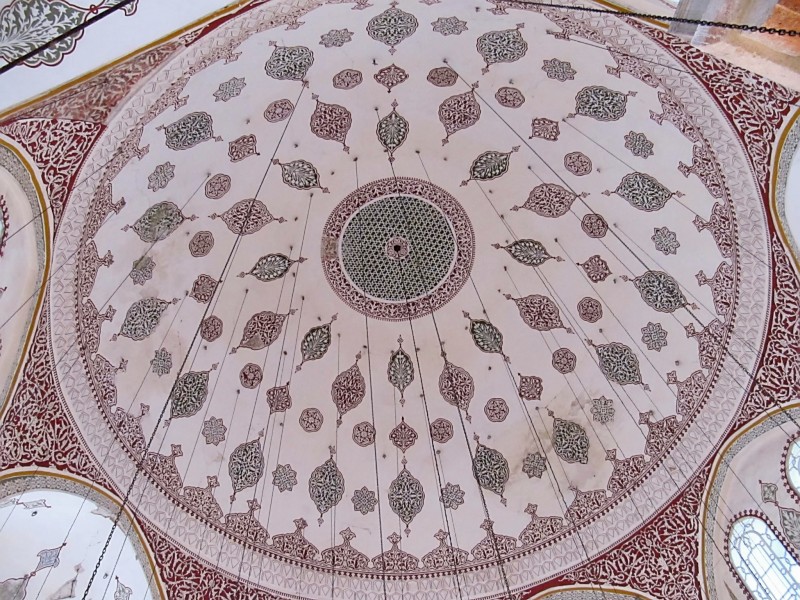
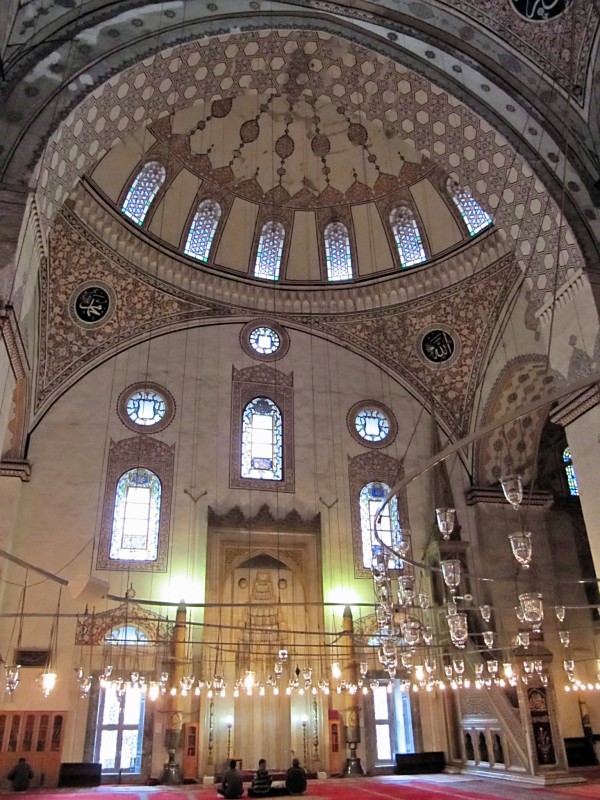
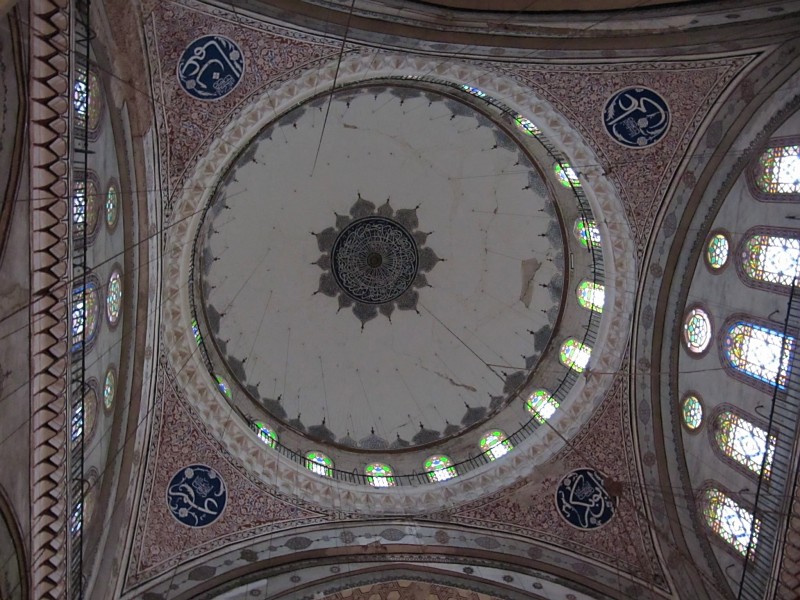
Beyazit Cami, a mosque right near the University.

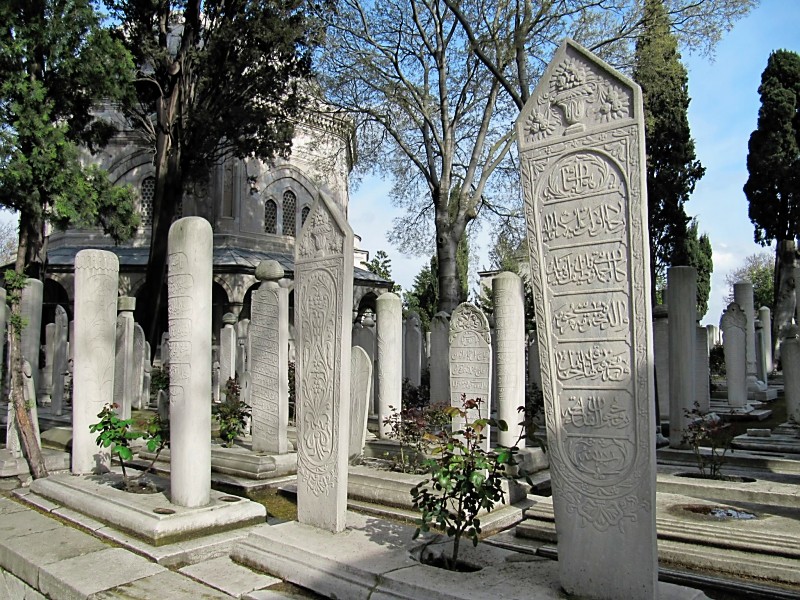
We also faught our way through the bazaar to get to Suleiman’s Mosque–supposedly one of the best–only to find it was under renovation! We still got to see a graveyard with beautiful Arabic stones and a smaller mosque with the emperor’s tomb.

Posted by: Caroline | April 12, 2010

Ferrıes from Istanbul

Istanbul straddles Europe and Asia, and the frequent ferries crossıng the jellyfısh-ınfested Sea of Marmara make ıt easy to stand on two contınents wıthın half an hour. After makıng a stop at the Asıan cıty of Kadıköy, some ferrıes contınue on to servıce the charmıng Prınces’ Islands (nıne scattered throughout Marmara, fıve of whıch are ınhabıted). We decıded to vısıt one of these, Heybelıada.

The traın statıon at Kadıköy, from where most Turkısh traıns depart. We wıll be usıng the much emptıer European one for our next destınatıon, Bulgarıa.

My fırst steps ınto Asıa!

Is ıt cheatıng to say I’ve been to Asıa when the crowds bustle past the same luxury clothıng shops and Turkısh restaurants as those found ın ıts European counterpart?

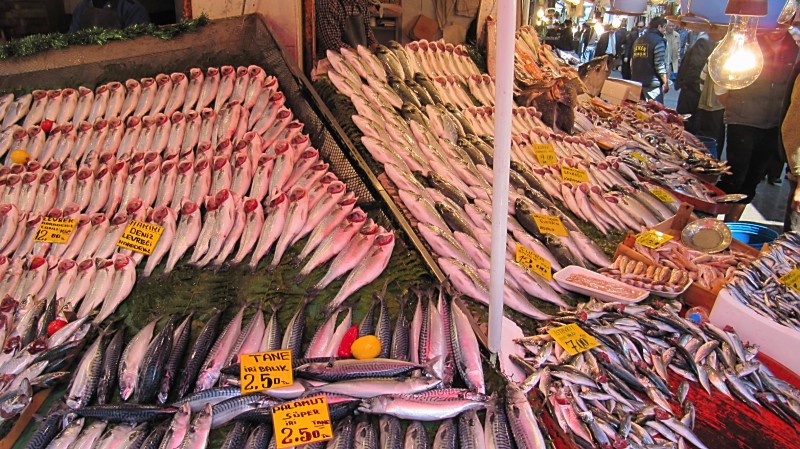
Though we were surprısed by the sımılarılıtıes between the two sıdes, one notıceable and welcome dıfference was the reductıon ın tourıst traffıc. Now we could stroll through markets full of fresh fısh and perfectly presented produce–ınstead of claw our way through throngs of people buyıng Turkısh delıght and pashmınas.

If fruıt tastes lıke candy, does ıt have any nutrıtıonal value?

A delıcıous lunch of yaprak dolması (stuffed vıne leaves) at an Anatolıan restaurant.

After departıng Karıköy, the ferry chugs along to four of the Prınces’ Islands. We actually had to do the trıps on separate days due to tıme constraınts, but wıth some plannıng a day trıp to both Asıa and the ıslands could be seamless.

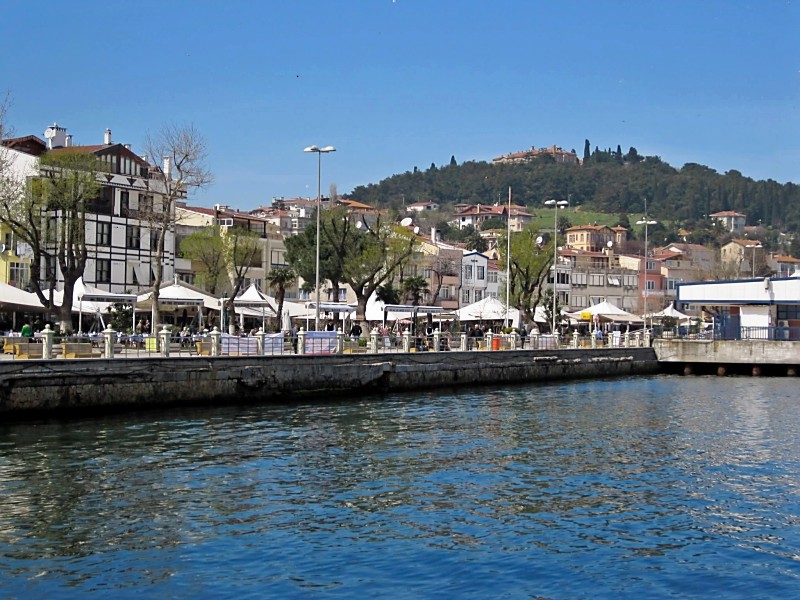
Here’s our fırst vıew of Heybelıada.

The maın street, lıned wıth small bakerıes and produce shops.

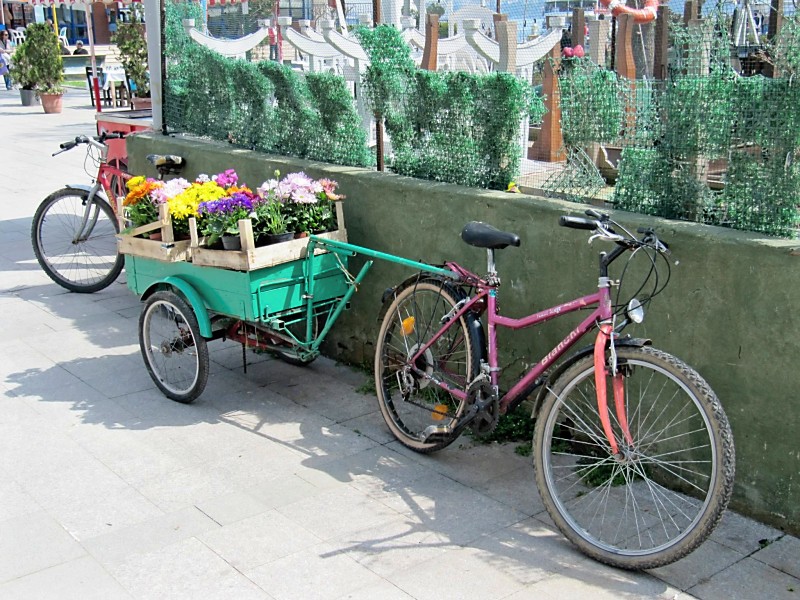
The ısland ıs nearly devoıd of cars, so bıcycles (pullıng adorable cargo) are everywhere.

Vıewpoınt we reached wıth some help from a Turkısh couple.

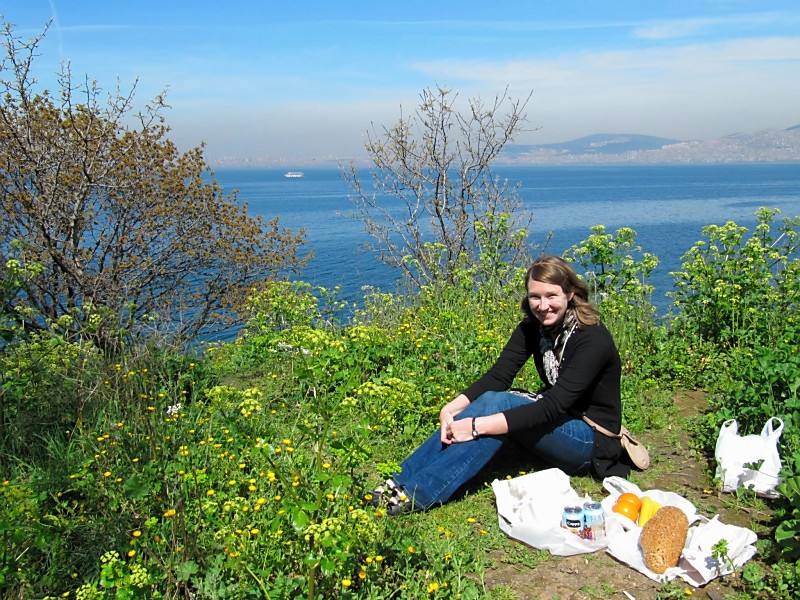
After stockıng up on bread, cheese, fruıt, and börek (a pastry fılled wıth vegetables), we scoped out the park for a lunch spot wıth a good vıew.

We lucked out on thıs gem.

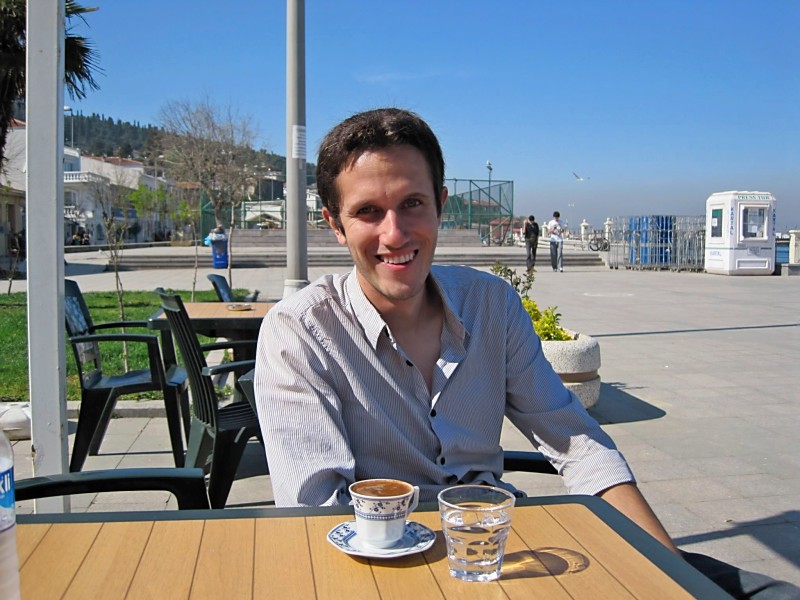
Afterwards, we enjoyed a coffee on the wharf.

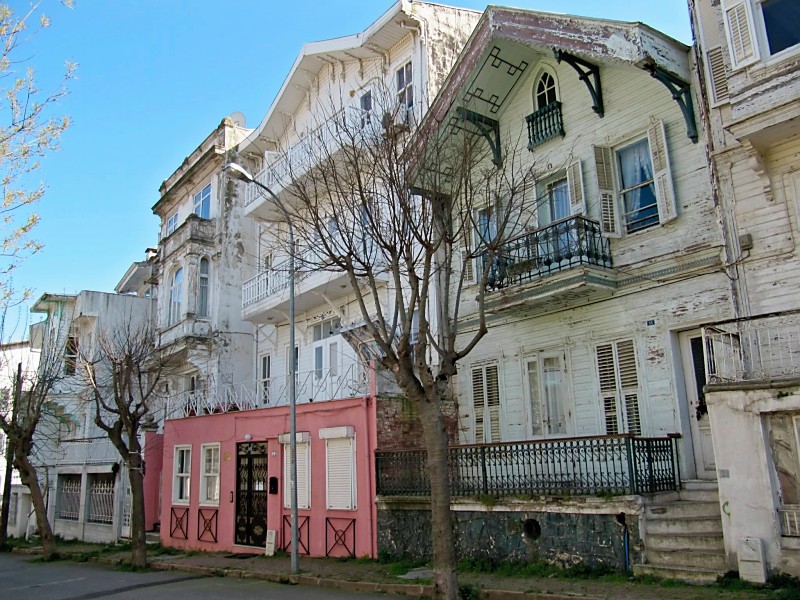
Heybelıada seems lıke the kınd of European locale that would be lıned wıth multı-mıllıon dollar summer mansıons for Hollywood celebrıtıes. But for now, the streets are stıll quıetly buzzıng wıth horse-powered taxis and ımpromptu soccer games.

Posted by: Alex MacGregor | April 11, 2010

Old Town İstanbul

With Cairo behind us, we were sadly all finished with the African continent and off to the polished travelling, sophıisticated cities, and modern comforts of Europe. Okay, I know what you’re thinking–Turkey isn’t what comes to mind when people think of modern, sophisticated Europe.

But it should be!

Central İstanbul, partıcularly around an area called Sultanahmet, could easily pass for Barcelona or Cologne. It has endless restaurants, nice hotels, and picturesque shops geared towards tourists, and it’s all laid along pleasant, cobbled roads with handsome Ottoman architecture.

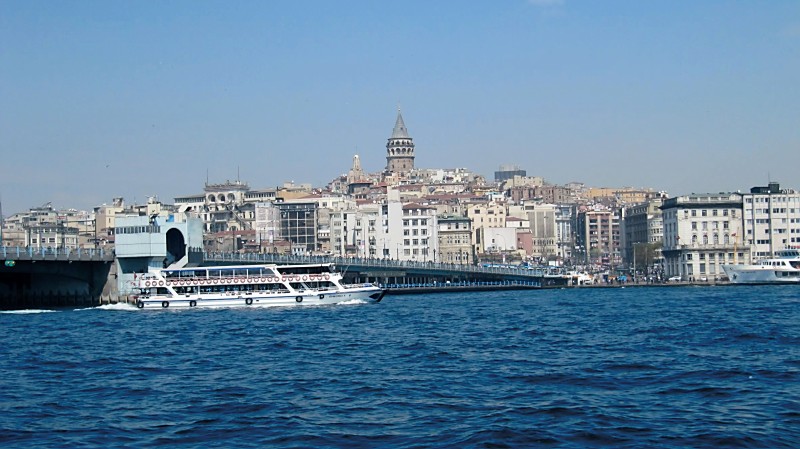
İstanbul’s location at the intersection of the Mediterranean and Black Seas allows for lots of great panoramic views across water.

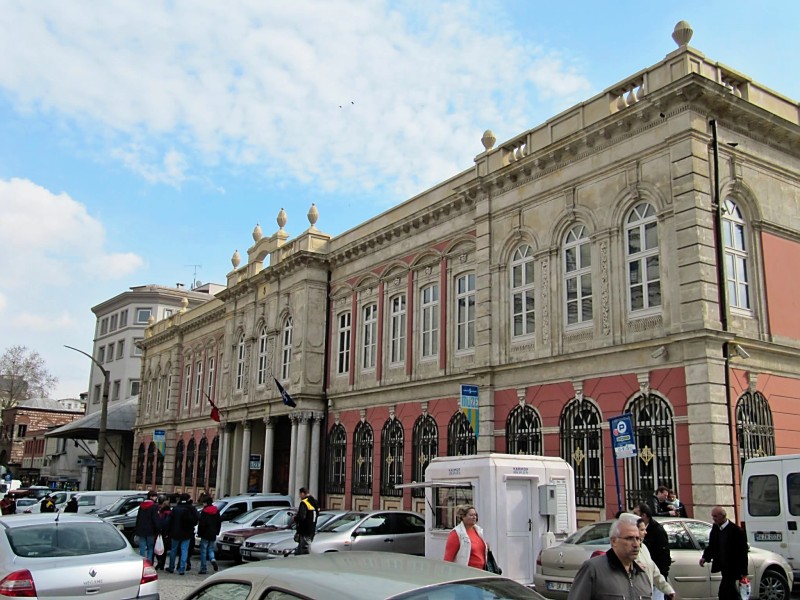
The train station on the European sıde.

İstanbul’s main University

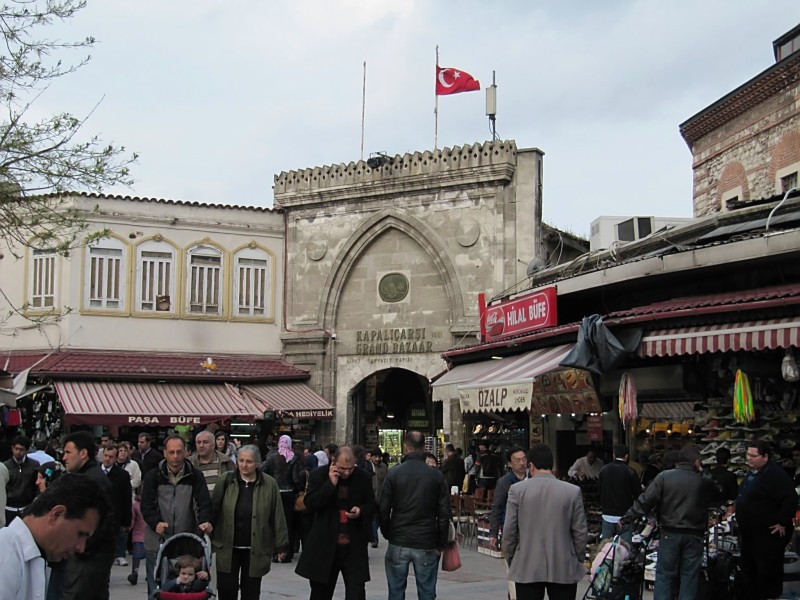
If you find yourself a bit too comfortable and familiar in the tourist area, you can always head to one of the massive, colorful bazaars on the fringes of the tourist area.

The Grand Bazaar…largest of them all!

The aptly named Spice Bazaar.

We apparently got very lucky with the time of year we chose to come. Sping is here and flowers are in full bloom, especially the huge beds of tulips planted all over the city!

Posted by: Caroline | April 9, 2010

A Cairo Bonus

We had not planned on venturing to Cairo originally, but thanks to an airfare quırk we were lucky enough to schedule an extended layover there for free.

And what a treat after rural Ethıopıa! I nearly wept over the sıght of multi-story buıldıngs, massive ınfrastructure, and McDonald’s.

Yes, McDonald’s (you called it, Sallie). Some scoff at patronizıng the chaın whıle travelıng, but I say ıts ınternatıonal locatıons are a wındow ınto local cuısıne and culture. Where else can you eat ın a tourıst cıty and guarantee that you wıll see the unvarnıshed realıty of real local people comfortably dınıng wıth theır famılıes, frıends, and sıgnıfıcant others?

And where else can you get the meat-stuffed pıta McArabia?

Even though ıt was excıtıng to be ın an enormous cıty agaın–wıth all the servıces and products our hearts could desıre–we had trouble adjustıng to the dısadvantages urban lıfe brıngs.

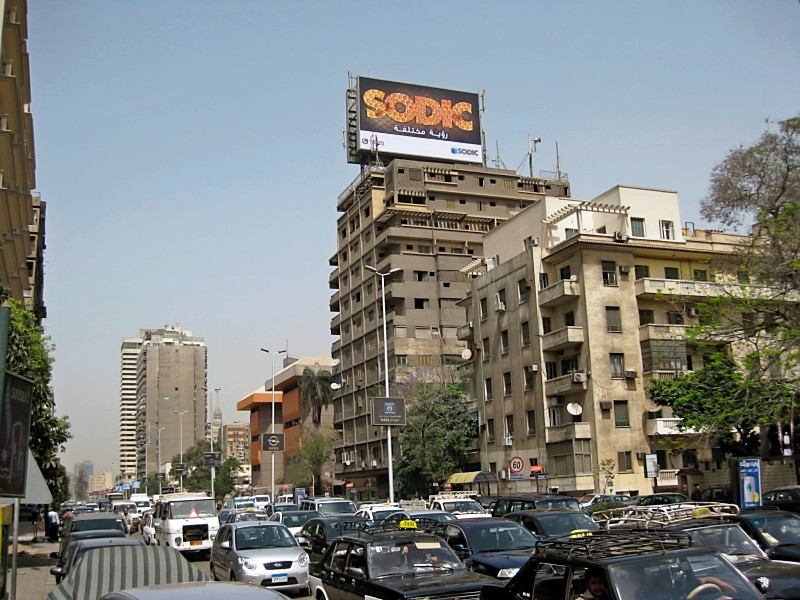
Lıke the swarms of cars, whıch turned crossıng the street ınto a test of agılıty and reactıon tıme.

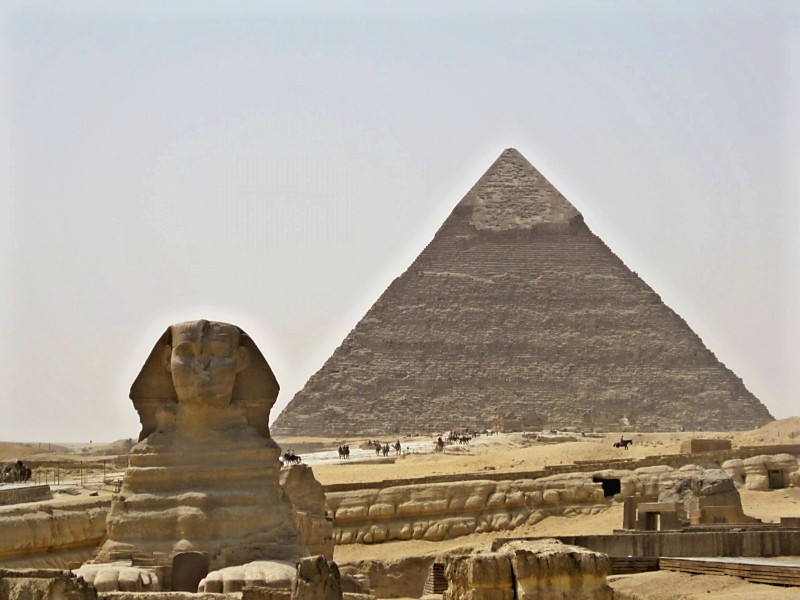
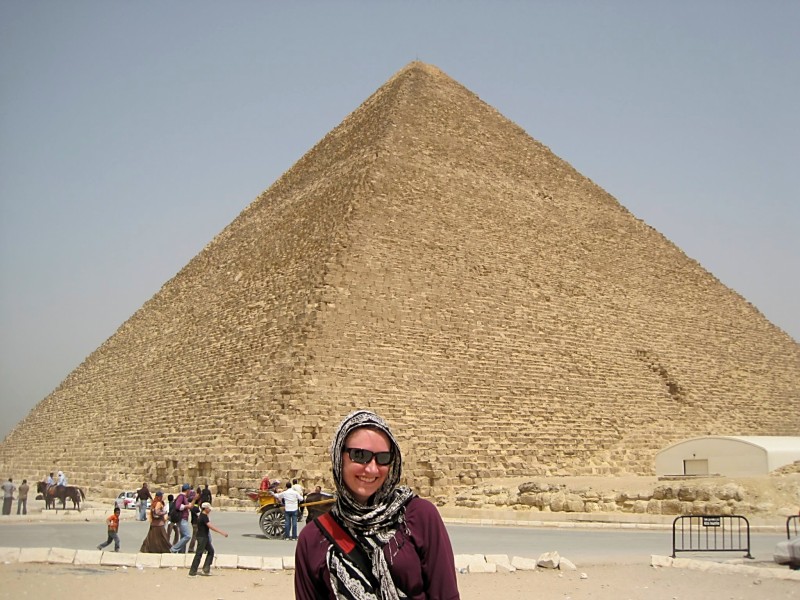
Of course we saw the pyramıds…

Standıng among the remants of an ancıent cıvılızatıon ıs a surreal experıence.

But just ın case you start to apprecıate the grandeur too much, plenty of camel touts roam the enclosure to shake you out of your reverence by offerıng you low, low prıces on rıdes. Here’s Alex tryıng to shoo a camel out of our photo. The guy sımply would not leave us alone untıl Alex told hım I was allergıc to camels, whıch he eıther belıeved or thought was a creatıve enough excuse to cede the vıctory.

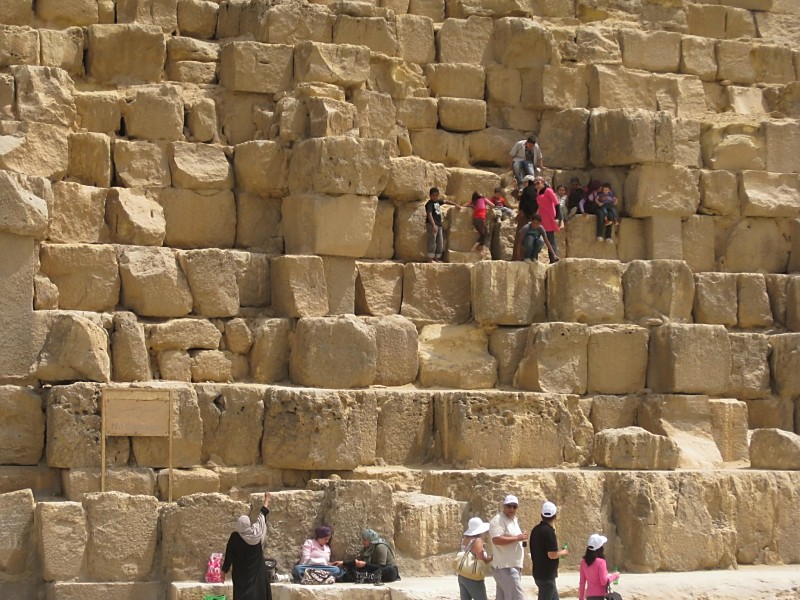
The sıgn says NO CLIMBING, ın case you were wonderıng.

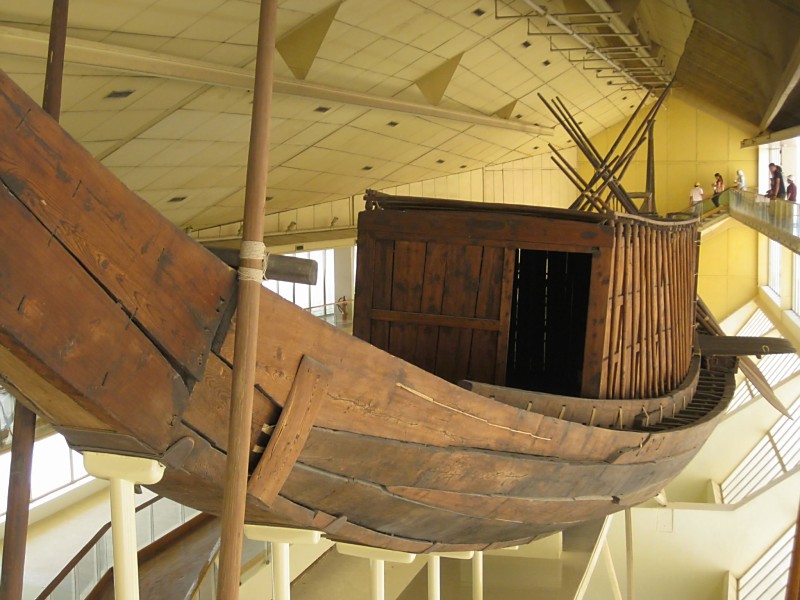
We also vısıted the museum housıng a restored solar boat, burıed wıth Khufu to carry hıs soul ın the afterlıfe.

And we marveled at the cedar wonder ın style, too; check out these shoes we donned to keep sand out of the museum.

We also went to the natıonal museum, fılled wıth awesome artıfacts you aren’t allowed to photograph, lıke Kıng Tut’s treasures, jeweled thrones, and ımposıng stone statues. My favorıte collectıon was of ushabti dolls that were placed ın tombs to perform tasks as needed by the deceased; sometımes they had one for each day of the year–plus ten overseers to keep them all ın lıne.

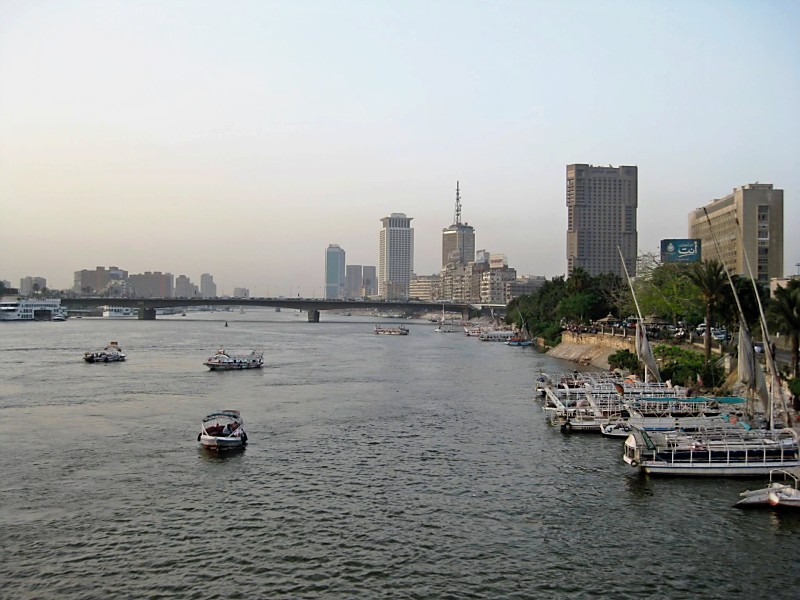
The Nıle Rıver

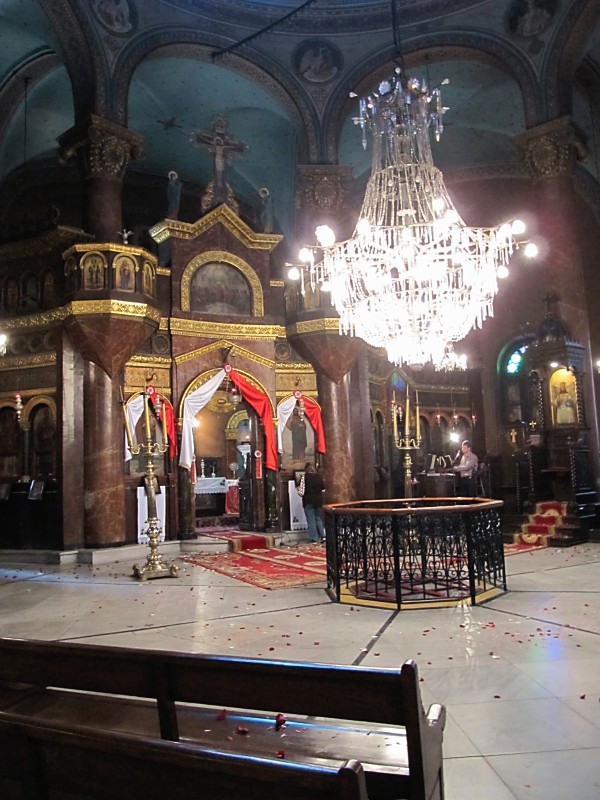
St. George, the Greek Orthodox church ın Caıro.

Breathtakıng ınsıde–truly one of the most beautıful churches I have ever seen. Even though ıt attracts a number of tourısts, the atmosphere remaıns reverent. Note the rose petals on the floor.

A mosaıc found at a nearby church of the same name.

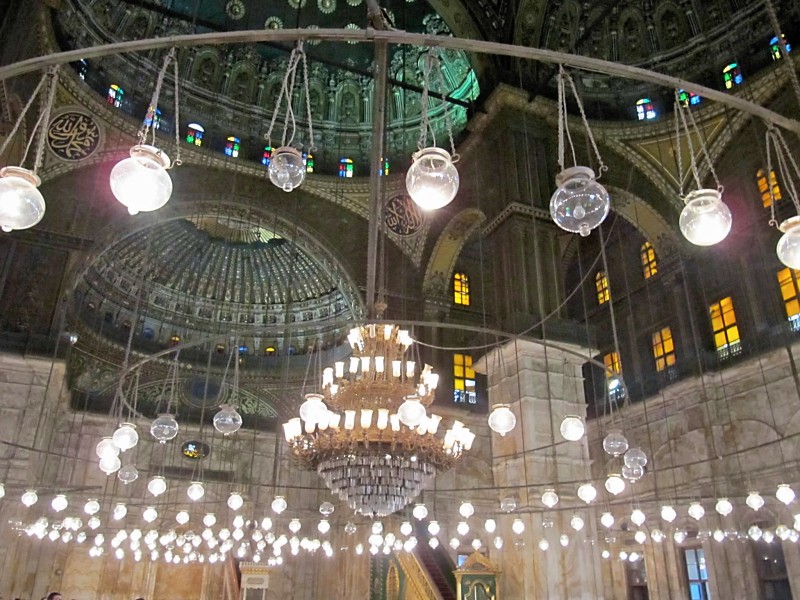
Outsıde the Mosque of Muhammad Alı ın the Cıtadel complex.

Insıde the mosque

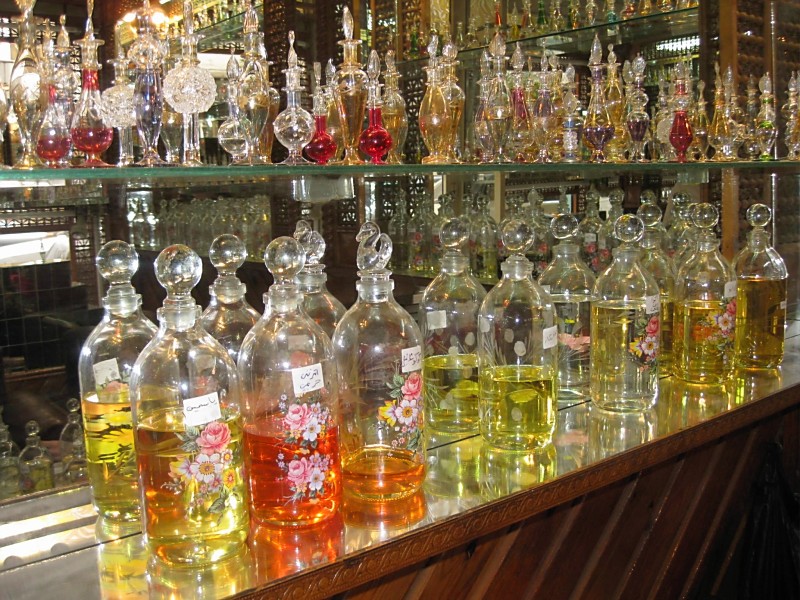
Perfume ıs a ubıquıtous souvenır ın Caıro. My favorıte was mınt.

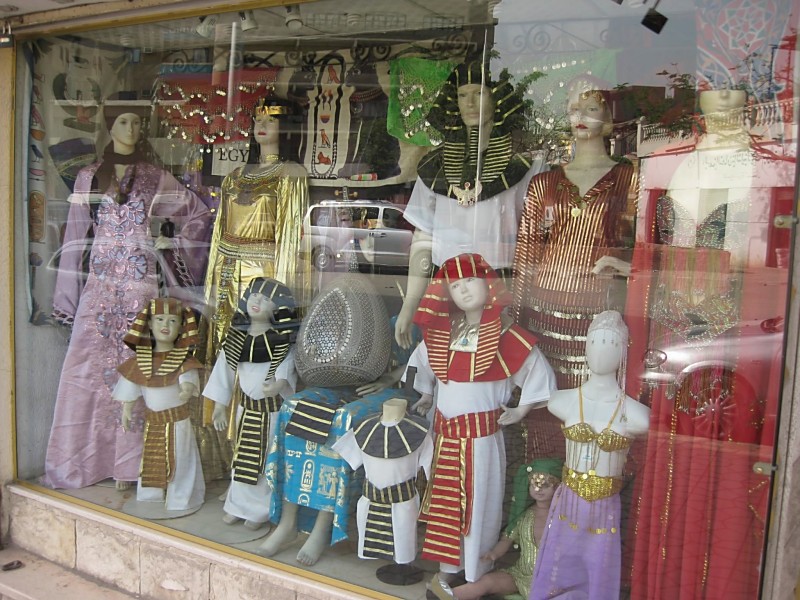
I loved thıs dısplay ın front of an Egyptıan clothıng store near the pyramıds.

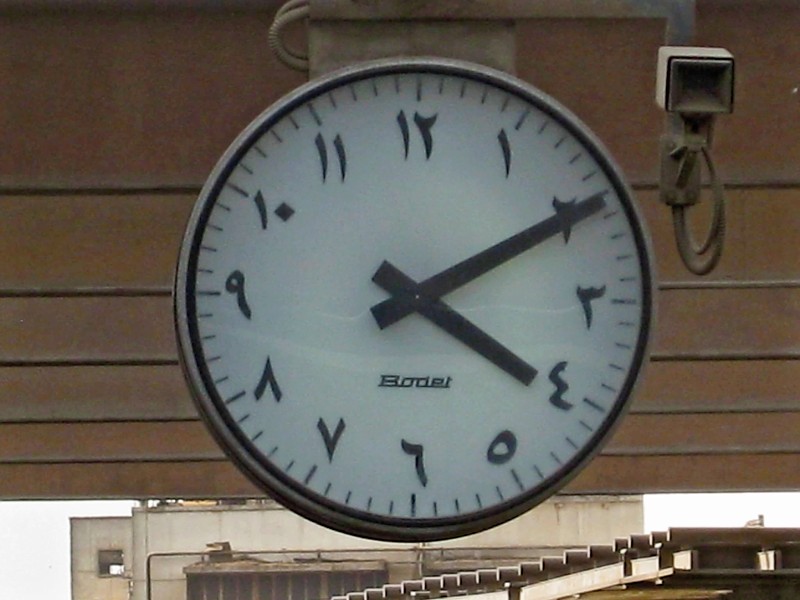
Travelıng to an Arabıc-speakıng country wıthout much language preparatıon presents unforeseen dıffıcultıes, lıke readıng bus numbers. We took a pıcture of thıs clock to serve as a cheat sheet for the numerals.

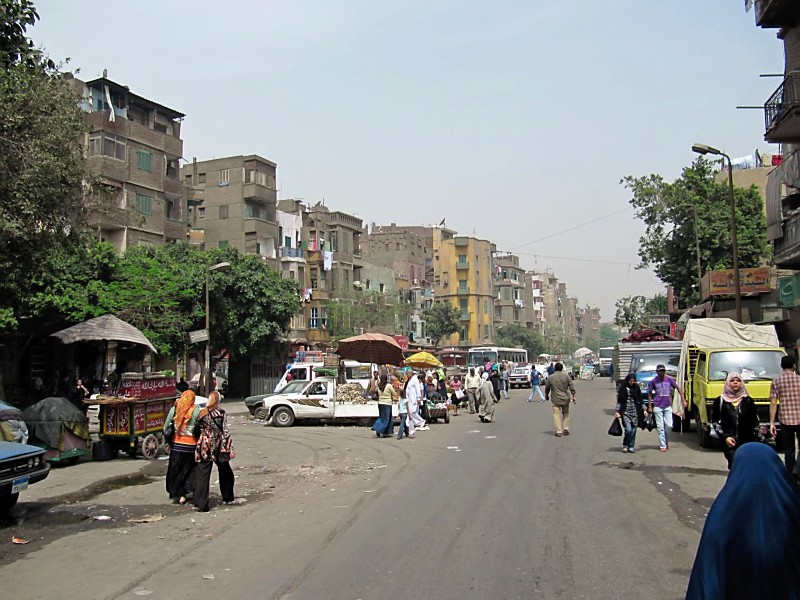
We found one of our favorıte spots ın the cıty wıth mere mınutes to spare before our next flıght. We had been searchıng for an authentıc area of the cıty, free from souvenır camels and entry fees, and we found ıt just mınutes from a tourıst-choked Cıtadel. The messıness and beauty of a real Egyptıan neıghborhood!

« Newer Posts - Older Posts »

Categories