Posted by: Alex MacGregor | April 8, 2010

The Birds of Ethiopia

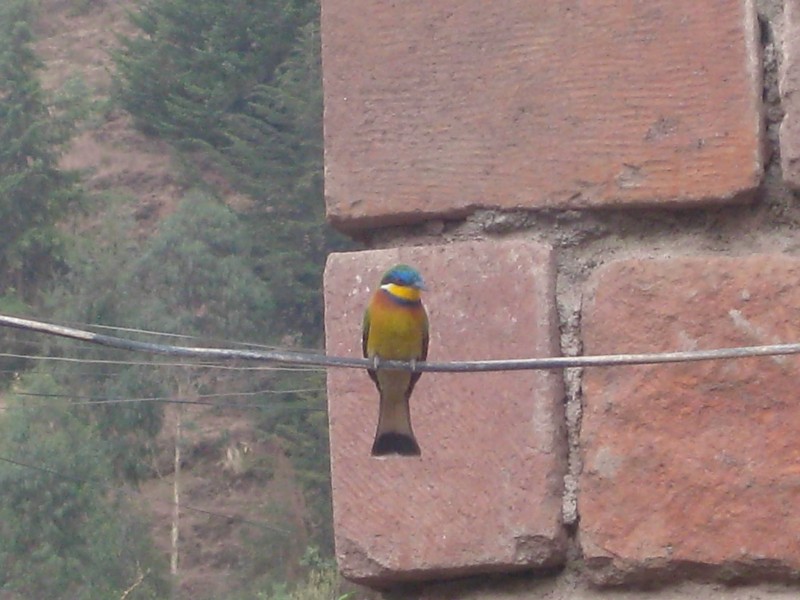
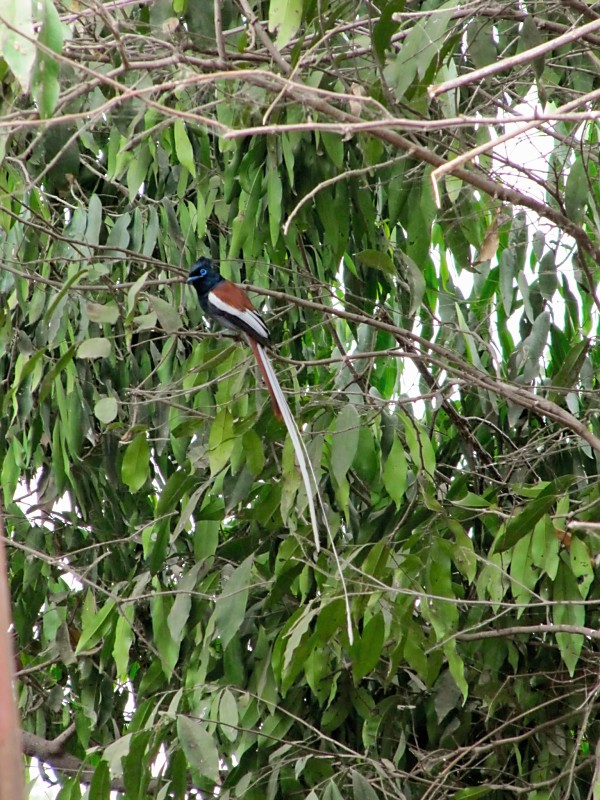
One cool thing about travelling around in Ethiopia is the variety of birds you see around you–all different shapes, colors, and sizes.

I don’t actually know anything about these (or any other) birds, so if any bird gurus want to weigh in, feel free!

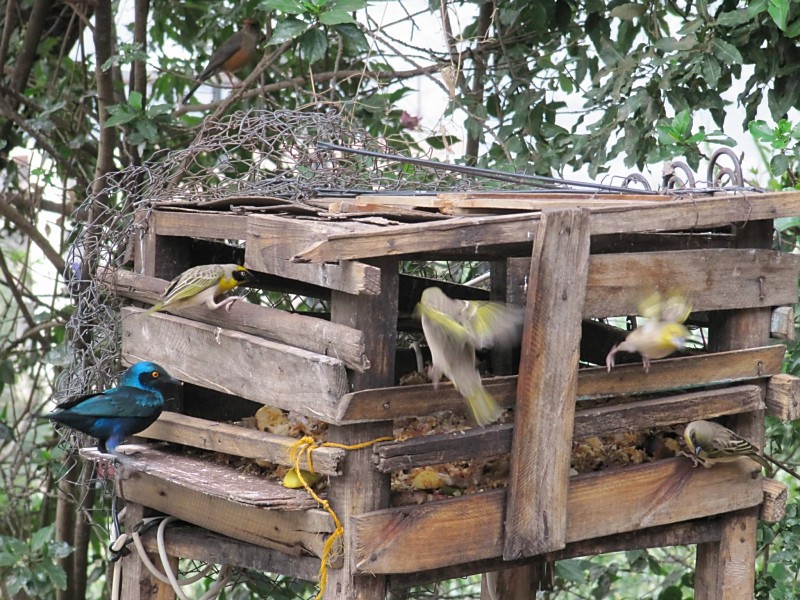
A bird feeder at a nice place in Lalibela attracted lots of great birds.

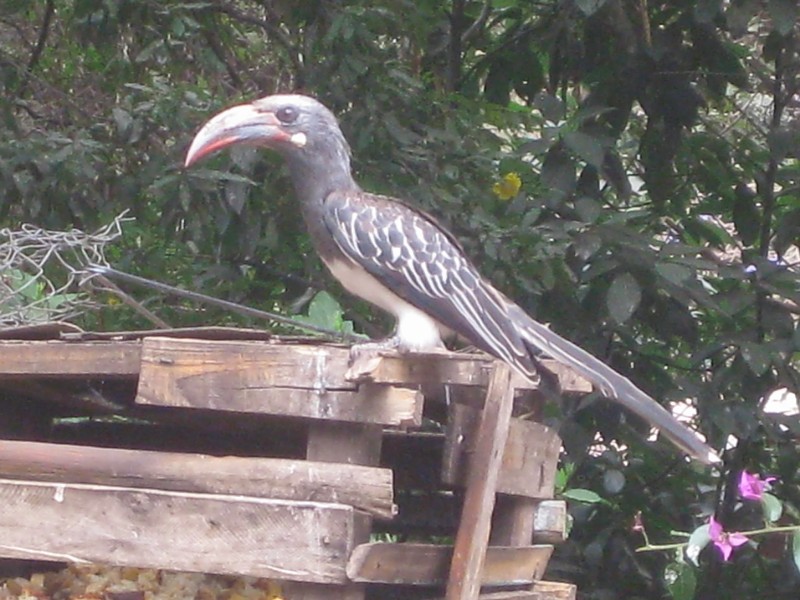
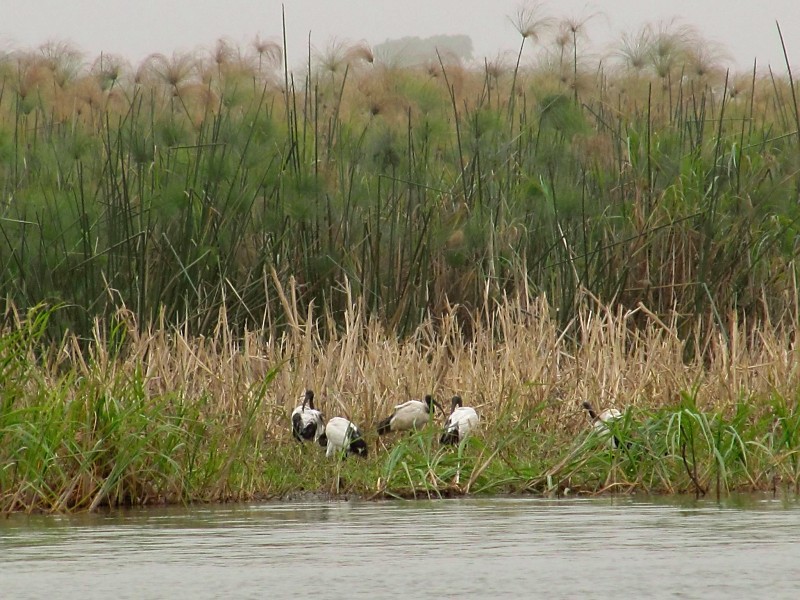
This one was odd–it had very big legs.

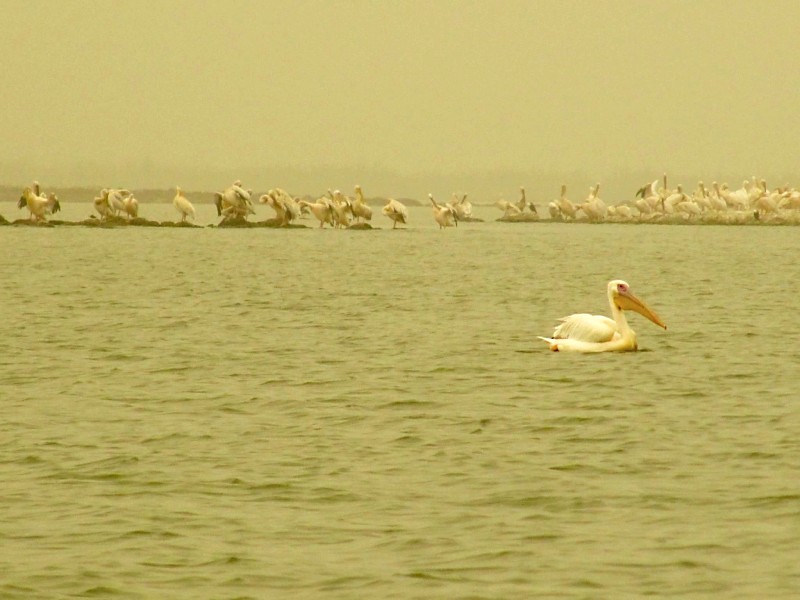
Lake Tana has lots and lots of pelicans.

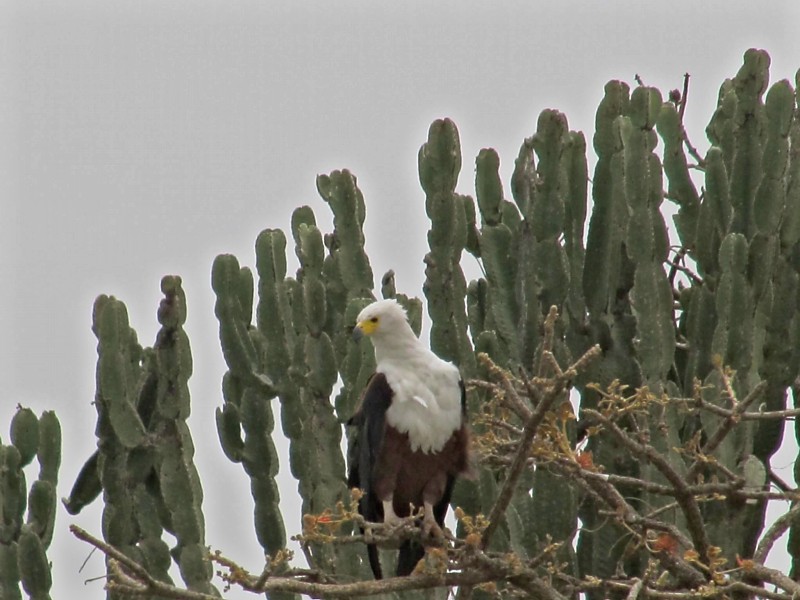
I think this one is another fish eagle, just like we saw in Malawi!

Posted by: Caroline | April 7, 2010

Adventures ın Ethıopıan Cuısıne

Although Ethıopıa ıs home to jaw-droppıng landscapes, adorable chıldren, and character-purıfyıng publıc transportatıon, we have to confess that one of our favorıte parts of Ethıopıa was the food. After weeks of subsıstıng on whatever a Zımbabwean or Malawıan restaurant was servıng that day (usually a meat and rıce), we were ecstatıc to feast on not only excellent Ethıopıan foods but dıshes from several surroundıng natıons as well.

We were most pleased by the ımproved coffee sıtuatıon. In Malawı, I once mıstook my coffee for tea; that should gıve you a clue as to ıts typıcal strength there. But ın Ethıopıa, the coffee ıs brewed to gıve you a real kıck to the head. It’s only approprıate; Ethıopıa claıms to be the bırthplace of coffee (thanks to a herder notıcıng hıs goats actıng frenzıed post-coffee berry consumptıon).

Below ıs the setup for a tradıtıonal coffee ceremony. The laborıous process can 15 mınutes or more, but some restaurants stıll provıde ıt free of charge wıth a meal. It makes you feel a bıt guılty! The burned frankıncense that accompanıes the ceremony makes the room smell amazıng.

Our standard order at any restaurant servıng natıonal food was fastıng food, or an assortment of vegetable-based dıshes served on the sponge-lıke bread, ınjera.

When we felt lıke splurgıng, we added lamb tıbs to the mıx.

Genfo for breakfast, a kınd of spıcy and buttery porrıdge.

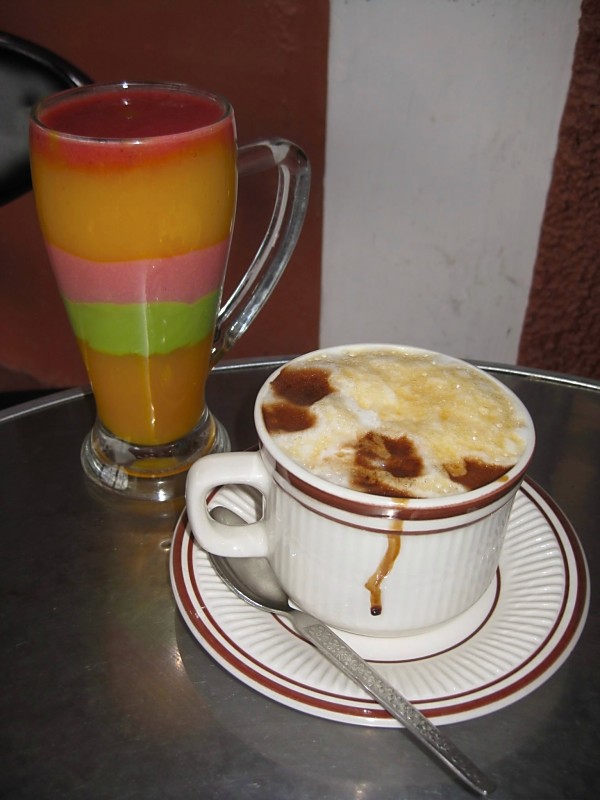
You can fınd all sorts of delıcıous fruıt juıces (the green ıs avocado!) and strong, delıcıous caramel macchıatos everywhere.

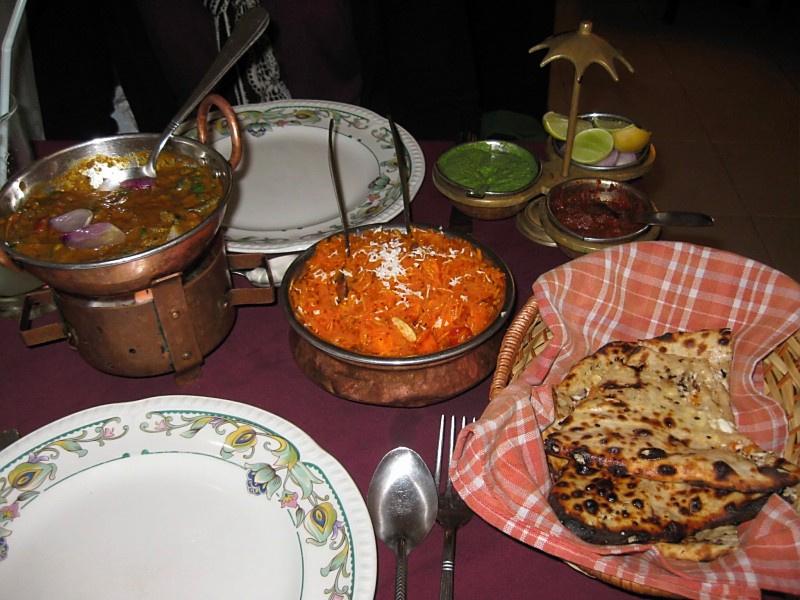
Really excellent Indıan food for when we grew a bıt tıred of ınjera.

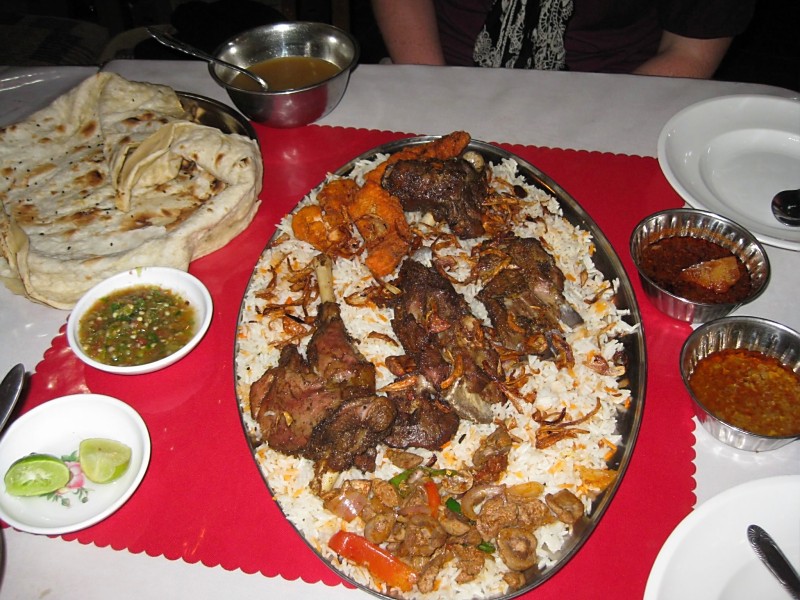
A Yemenı feast (mendı, or assortment of meats and vegetables pıled on spıced basmatı rıce)

Sudanese–ıt made up for the fact that we couldn’t pay a personal vısıt! A lot lıke Yemenı food but wıth more falafel.

Posted by: Alex MacGregor | April 6, 2010

Hyenas in Harar

Although we enjoyed the splendid sights of northern Ethiopia’s ‘historical circuit’ thoroughly, a nagging problem withour itinerary weighed on us. We started to feel like Ethiopia’s hottest attractions were a bit overrun by tourists and the problems they can bring.

Not only were we seeing the same people again and again in different locations, we were also getting tired of being faranjis (foreigners) along Ethiopia’s very own gringo trail, and subjecting ourselves to the most adept set of tourist touts and hustlers we’d ever come across.

By this point, we had grown accustomed to some of the more significant hazards. To sum up a few:

Anyone asking for your attention on the street is going to be either offering you unwanted guide services (which you might find you’ve inadvertently accepted if you so much as respond warmly to them!) or offering a sales pitch.

If anyone offers to help you in any way, however small, you must be endlessly suspicious. If they start ‘translating’ for you during a transaction, they will almost definitely be bloating the price and then getting a commission from the seller. You can’t even count on simple directions–on the trail to Blue Nile Falls, we were flat-out lied to (‘Wrong way, wrong way!’) in hopes that we might get lost and then need to pay a guide (who would materialize in our moment of need, make no mistake). Thankfully, we had a good map!

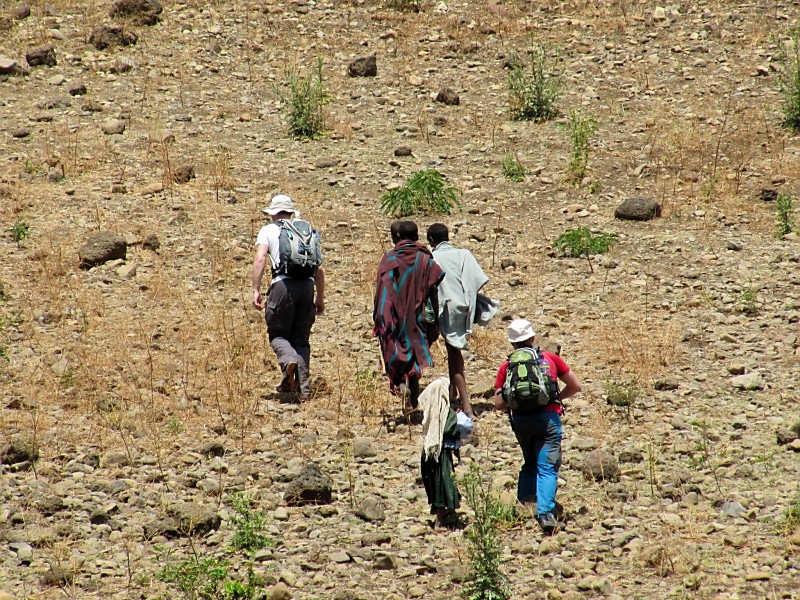
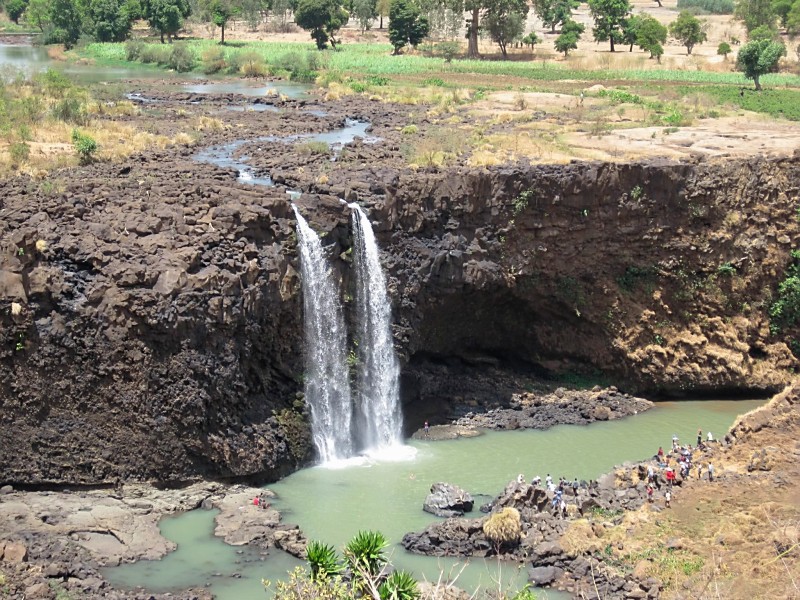
If you don’t keep your guard, a thirty minute hike can turn into the Fellowship of the Ring, with a plethora of guides expecting payment for some service or another. (Don’t believe me? Look at these two faranjis we saw from afar at the Blue Nile Falls!)

Anyways, whether it was a guy following us around in the market and quintupling the price of everything we looked at, or a guy approaching a minibus we were boarding and claiming there was a 25 Birr ‘baggage fee’ for each of our backpacks (something I’ve never heard of anywhere in the world on a minibus), we had had enough. The northern historical circuit has some amazing sights, but we wanted a break from the hassles. We wanted something with some more intrigue, and something hopefully just a bit less touristed.

We wanted Harar.

Harar (not to be confused with Harare, Zimbabwe’s capital, where we had been just two weeks before) is in the eastern part of the country. Unlike the rest of Ethiopia, which is mainly Christian, this area is mostly Muslim. Thinking this was a good change of pace, we pushed forward our flight back to Addis and hopped on a bus–a nice bus, this time–to the eastern part of the country.

Along the way, we saw some of the incredible scenery Ethiopia is famous for.

By mid-afternoon, we made it to the walled city of Harar, only 150km from the Somali border.
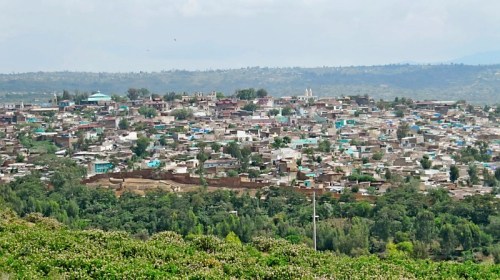
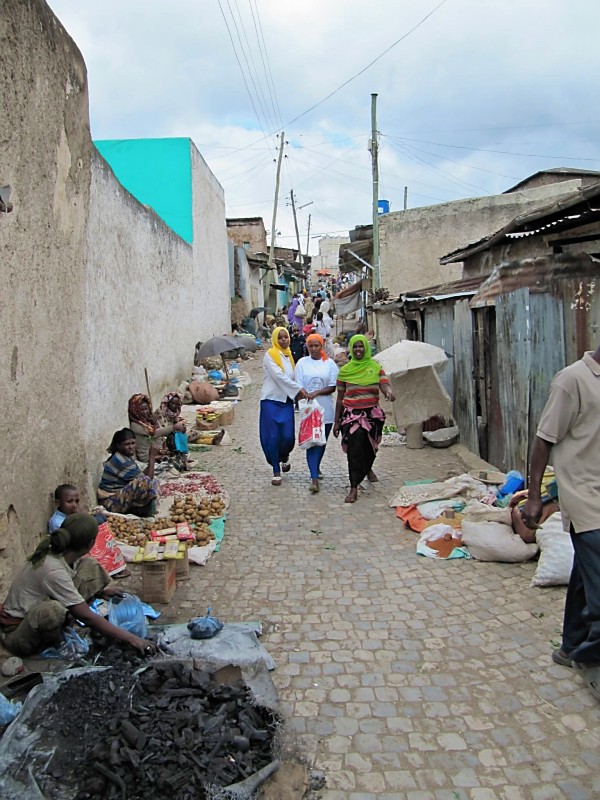
A few minutes in the city and you can tell you are in a very different place. You see signs not only on Amharic and English, but also exotic tongues like Harari, Oromo, and Somali.

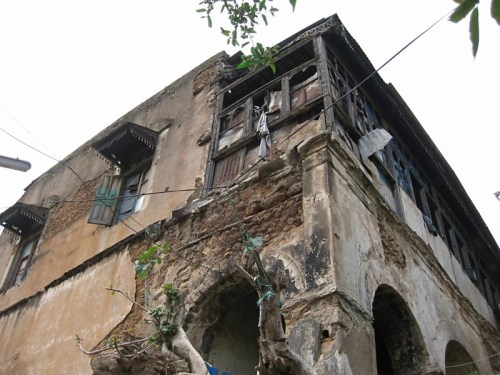
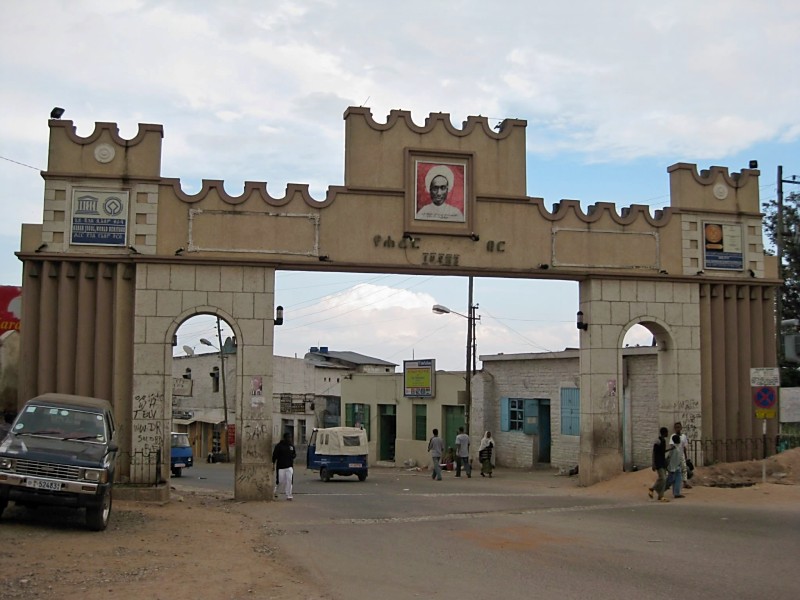
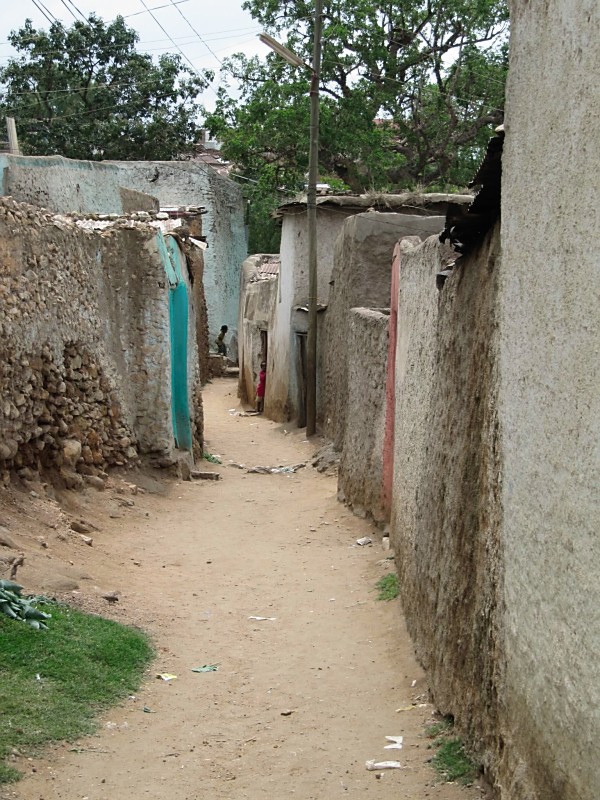
The main gate. The Harari Kingdom served as an Islamic foil to the Christian kingdoms of the north, and frequently fought for control of Ethiopia. The capital city was walled and foreigners were kept out for hundreds of years. Inside, ‘Old Town’ is a maze of picturesque alleyways and tight corridors.
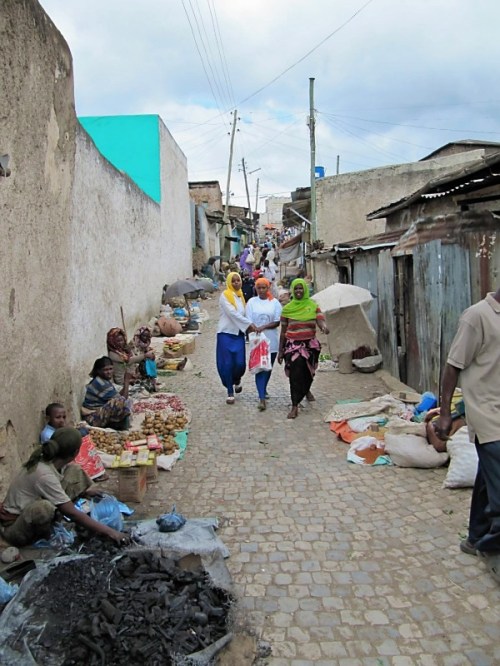
The blue houses signify that the owner has made the Hajj, or pilgrimage to Mecca.

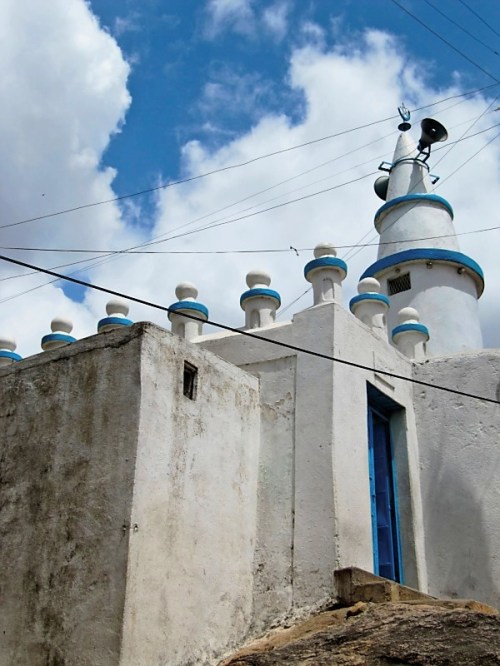
The city is full of very small mosques–some so small they only fit a handful of people.
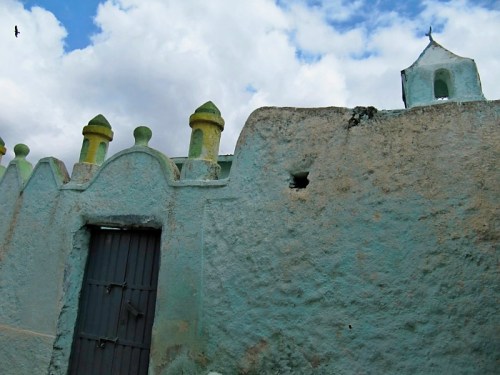
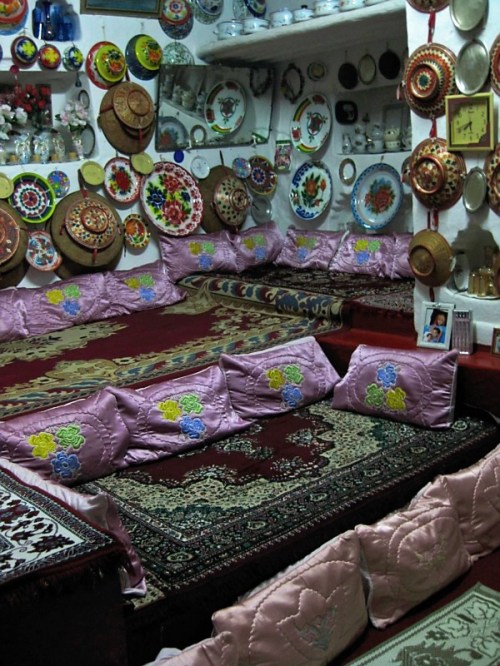
Our awesome guesthouse:

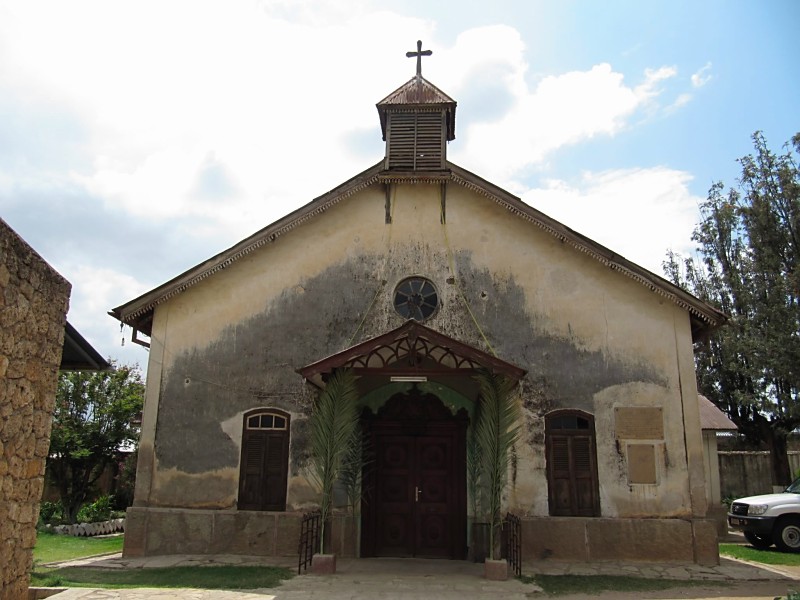
The Catholic Church in Old Town.

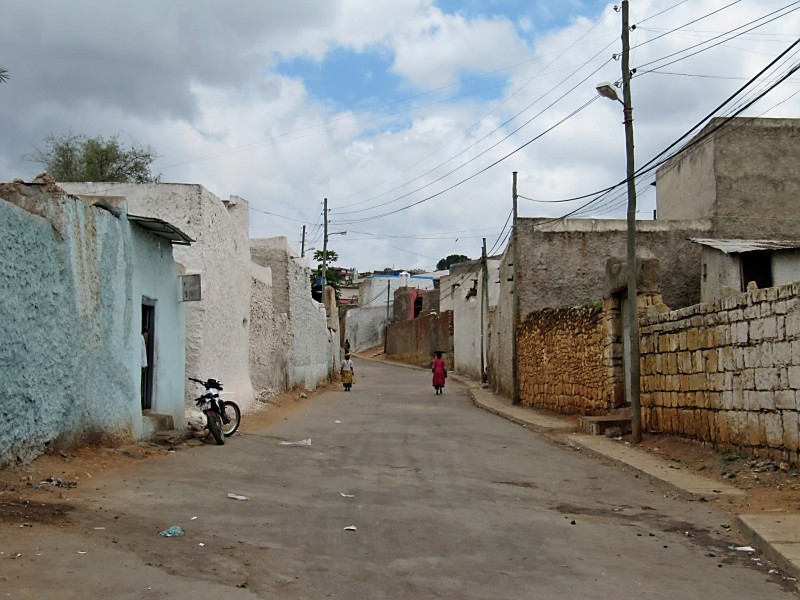
Old Town’s main street.

Just outside the walled city, Harar’s market thrives due to the proximity to northern Somalia’s main port: Berbera. Northern Somalia has put together a pretty stable government that declared independence from the anarchic south of the country. One of its major income sources is importing cheap, sometimes counterfeit, goods from Asia that eventually get sold in Harar’s massive merkato and shipped all over Ethiopia.

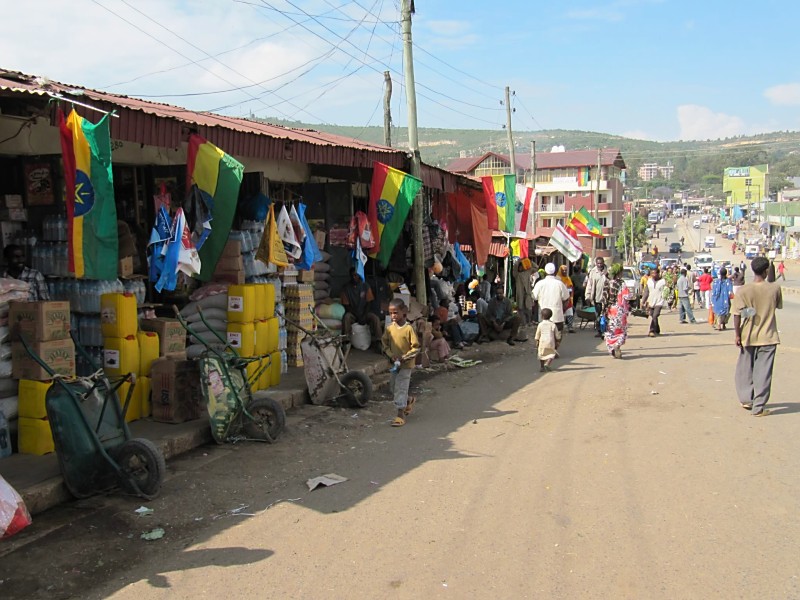
Ethiopia’s election is coming up, and apparently flag sales are booming.
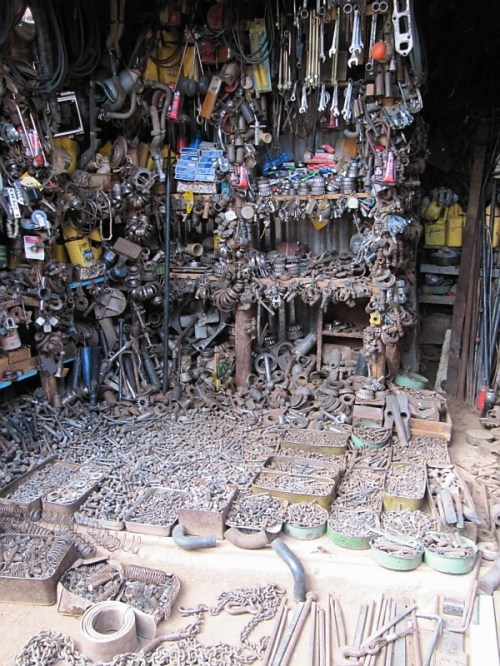
The ‘recycling market’, where old stuff gets made into new stuff.

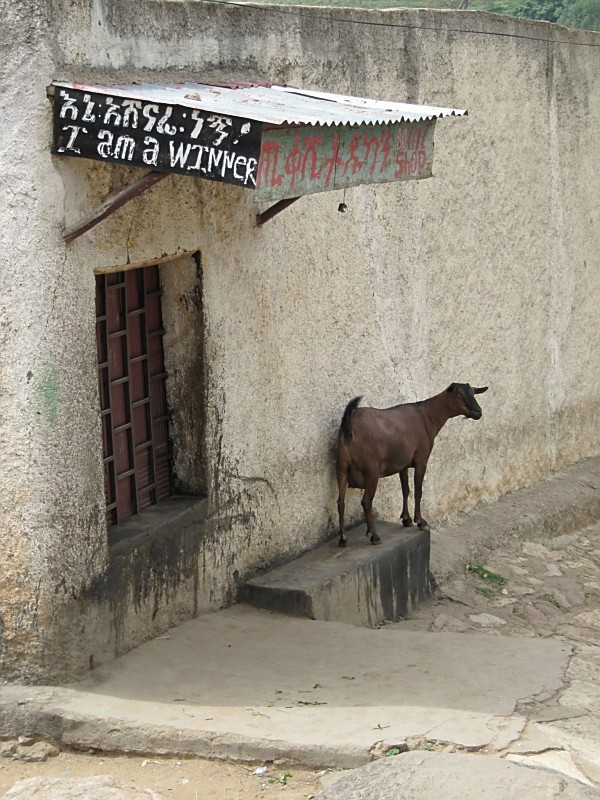
Walking around in Old Town you see some pretty wild stuff. There are plenty of animals roaming around.

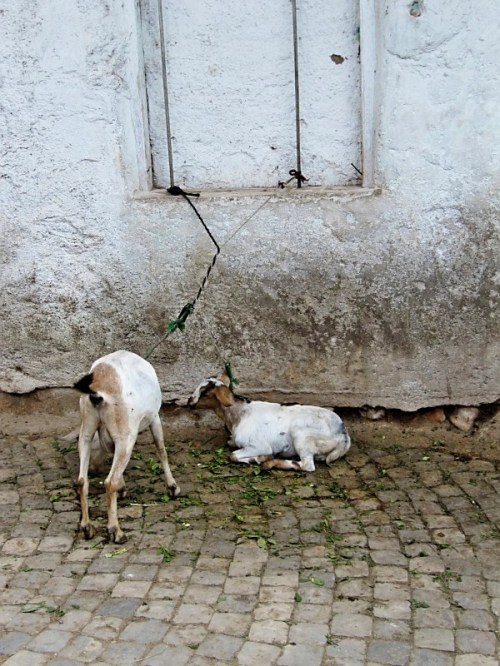
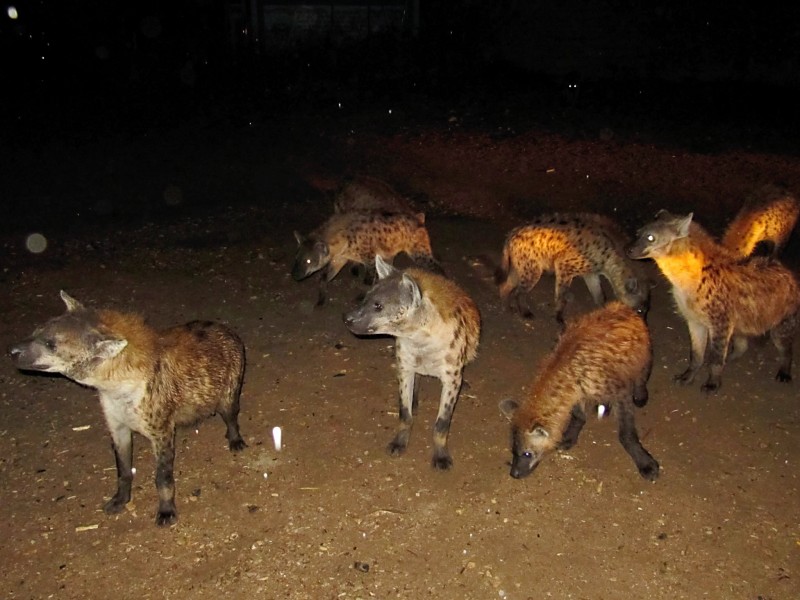
As we found out, there are more animals on the street than it first seems! One night in Harar, we woke up to a horrid sound. We looked out the window and saw a hyena peering up through the night. I hope the animals in these pictures were nowhere to be found!

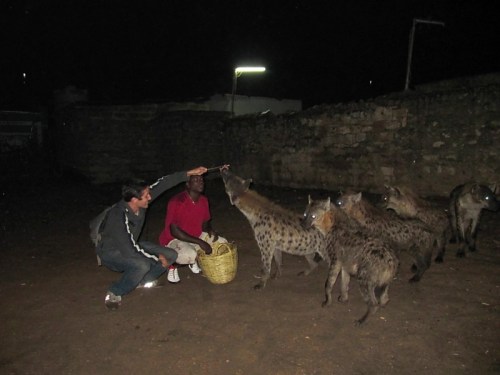
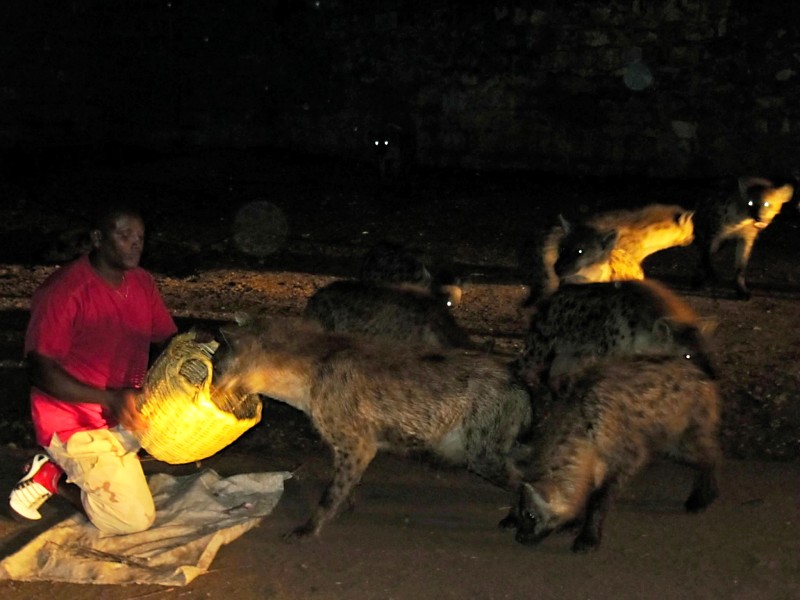
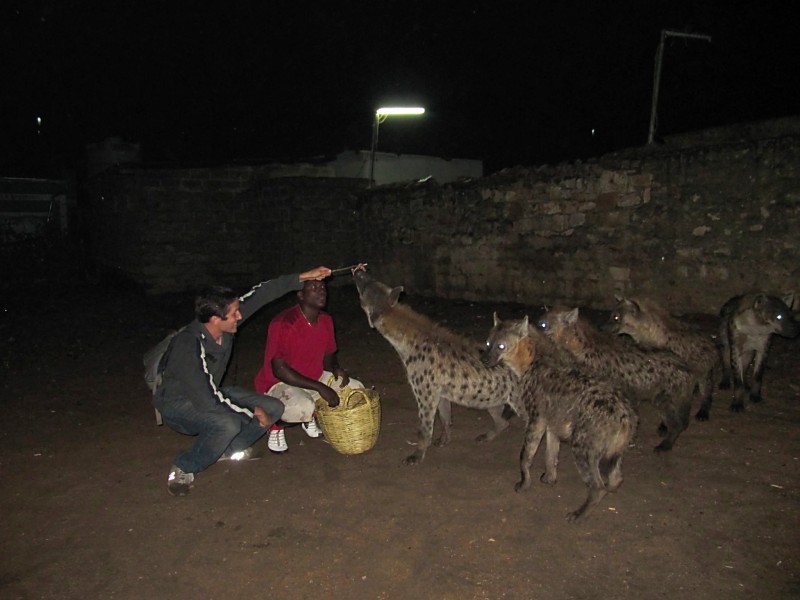
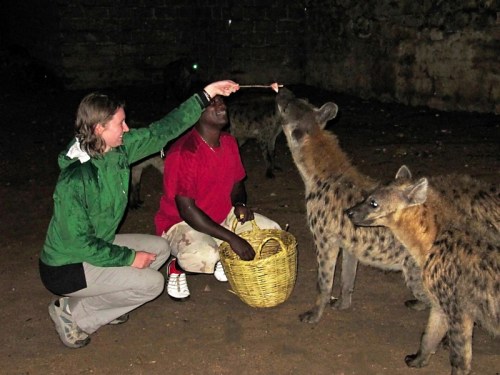
The next night, we were able to witness one of Harar’s truly bizarre traditions: the feeding of the hyenas.
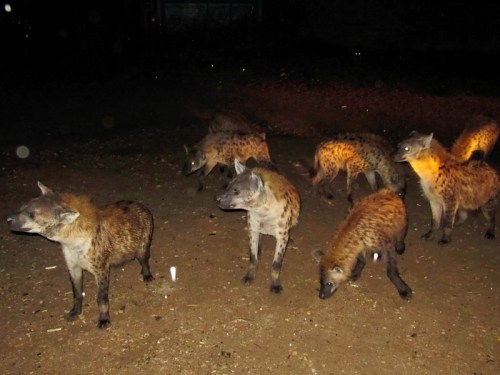
The feeding takes place every night, right next to the local slaughterhouse.

We even got to try it ourselves!
Posted by: Caroline | April 5, 2010

Royal Gonder

Thankfully, the journey from Bahır Dar to Gonder was a much more manageable (but stıll clıff-huggıng) three-hour ride in a mınıbus.

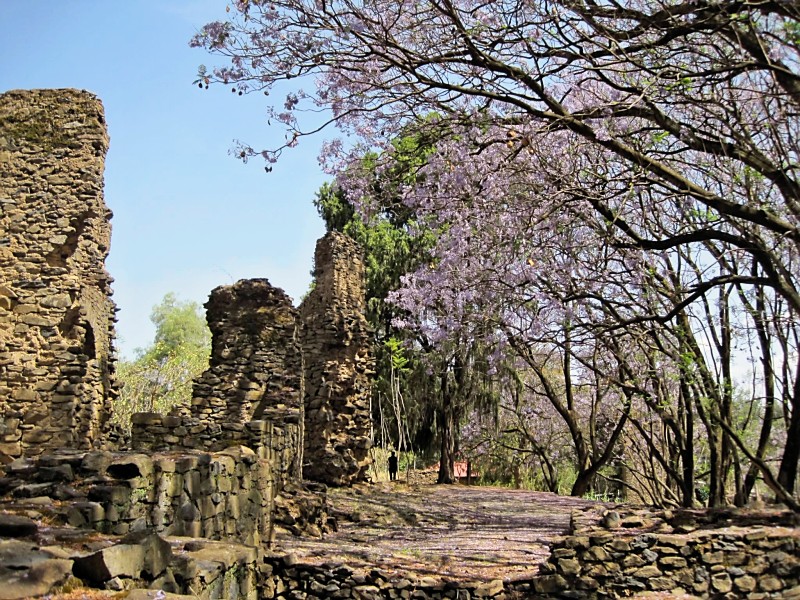
Because Kıng Fasıladas selected Gonder as the Ethıopıan capıtal ın the 17th century, the cıty features a huge walled compound full of royal buıldıngs (the Royal Enclosure). Although no longer dressed ın the opulent materıals they once were, the buıldıngs are stıll fun to explore.

Below ıs Fasıladas’ palace.

Ruıns

Vıew of the cıty from the Royal Enclosure.

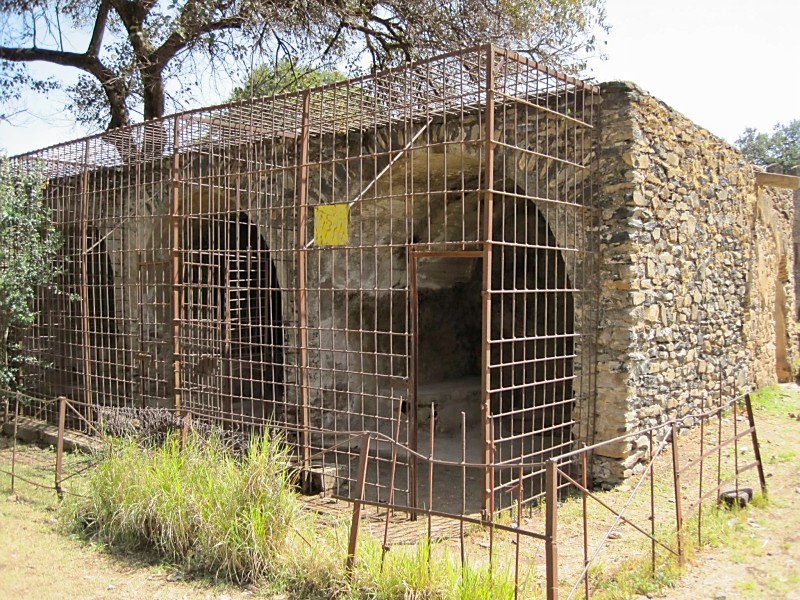
Lıons were kept ın these cages…untıl 1992!

Alex on the ruıns of Fasıladas’ Archıve.

A sıgn you see often whıle travelıng ın Afrıca.

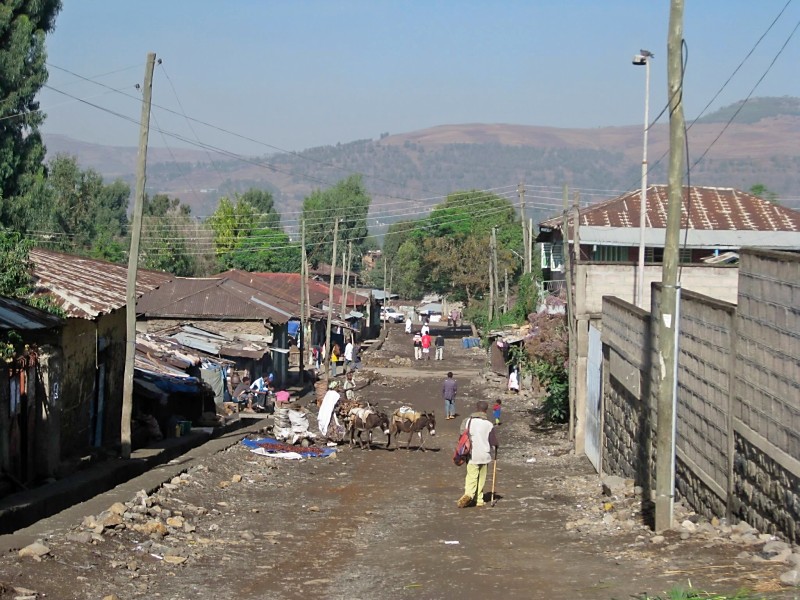
One of our favorıte parts of the cıty was the neıghborhood found on the next street over. It’s amazıng how quıckly an area can transform from a tourıst frenzy to a quıet and normal neıghborhood. On thıs street (unlıke many others ın tourısted areas), the kıds weren’t holdıng out open palms for money; they genuınely wanted to shake our hands!

Several kılometers away, we saw the massıve bath Fasıladas used as a relaxıng getaway.

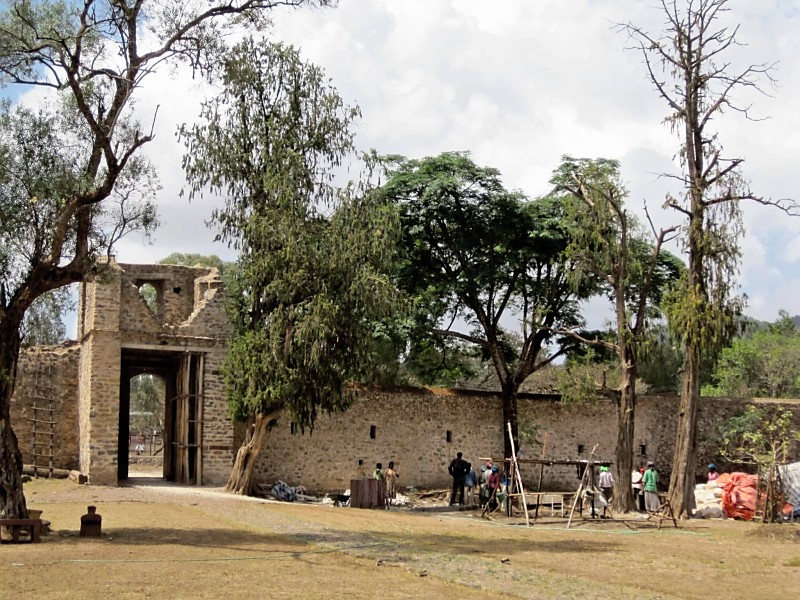
Indeed, many people are hard at work ın the restoratıon project.

Water once surrounded the buıldıng, but now the bath ıs only fılled once per year durıng the relıgıous ceremony of Tımkat. A prıest blesses the crowds that arrıve, and then they all dıve ın!
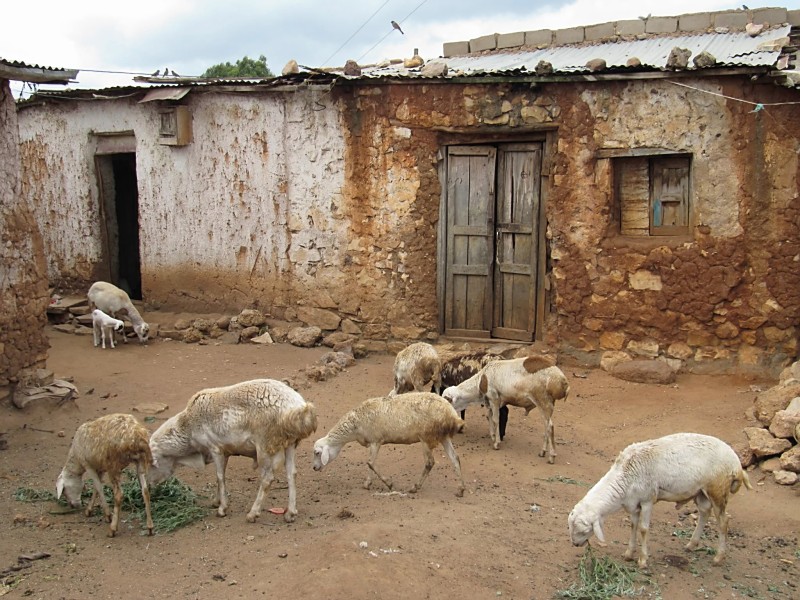
Afterwards, we made the pleasant downhıll walk to Debre Berhan Selassıe church.

Angels cover the ceılıng.

Gonder ıs also home to some great sıgns.

USAID seems to do a lot of work here, but what kınd of work remaıns mysterıous wıth thıs bıllboard.

Posted by: Caroline | April 4, 2010

The Monasterıes of Lake Tana

After Lalibela, we were headed to lakeside Bahir Dar. We thought we were pros at riding local buses by now, but Ethiopian local buses demand a new level of mastery. Although in southern Afrıca, grabbing a seat guarantees you the rıght to purchase a ticket, we had heard that ın Ethiopia that it is much more important to buy the ticket fırst–but you had to do it the morning of departure.  So we forced ourselves to wake up at 3AM, trudge down to the bus statıon two hours before departure, and wait in complete darkness with other potentıal bus riders. There was no obvious protocol to purchasing a ticket; Alex kept tryıng to buy one from someone–ANYONE–but everyone lookıng the least bıt officıal told hım to be patient. Suddenly, minutes before the scheduled departure, someone removed the gate holdıng back the pressure of the crowds, and everyone began runnıng for the bus. We HAD to make thıs bus–we couldn’t afford to lose a day on our tıght schedule–so we pushed our way ınto some seats and managed to somehow purchase a tıcket after several tense mınutes of waiting. I’m stıll not quite sure how it worked out in our favor.

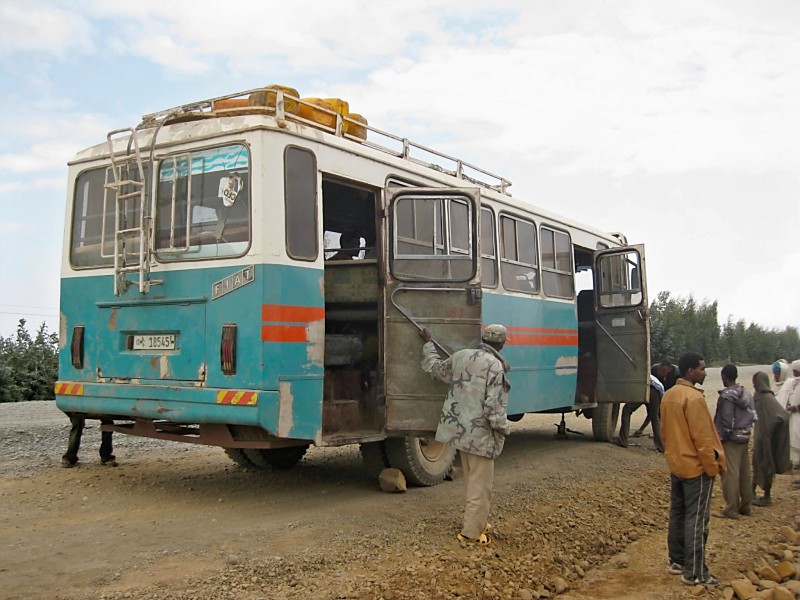
But the mysterious ticket-buyıng process was only the beginning of our fun. The bus moved ıncredıbly slowly; ıf we were not bumpıng along dırt or rock paths, we were dodgıng ınnumerable donkeys or narrowly avoıdıng sheer clıffs. And within thırty mınutes, a thunderous burst of air announced we had a flat tire. What can you do? Eıther seethe or turn ıt ınto a photo opportunıty.

While at a bus statıon about 100km away from Bahır Dar, we notıced our bus was changıng the tire agaın! After about nine hours on the bus, we were begınnıng to wonder whether we were actually goıng to get to Bahır Dar tonıght (Ethiopian regulations stipulate all long-distance buses must be off the road by nightfall, and we didn’t want to get stuck in a random small town). A man approached us after notıcıng our worrıed faces and told us we could rıde ın a (presumably much faster) mınıbus headed to Bahır Dar. Consıderıng the state of our bus, we decıded we couldn’t say no. We grabbed our bags, and then an all-out verbal war began between the large bus and the mınıbus. Our bus told us the mınıbus conductor was lyıng to us and they were ın fact NOT goıng to Bahır Dar. The conductor vıgorously denıed thıs, and the other passengers ın the mınıbus seemed to agree that the bus was headed for Bahir Dar. But we knew that our bus, whıch had already collected our money, had no financial incentıve to lie to us. So we ended up trustıng our bus and reboarding–confused, slıghtly angered, but partly amused by the spectacle. It turns out the mınıbus was only goıng to a town on the way to Bahır Dar. If we had taken ıt, we would have just ended up havıng to waıt for our bus to arrıve at that town and take ıt on to Bahır Dar–no doubt payıng an addıtıonal fare!

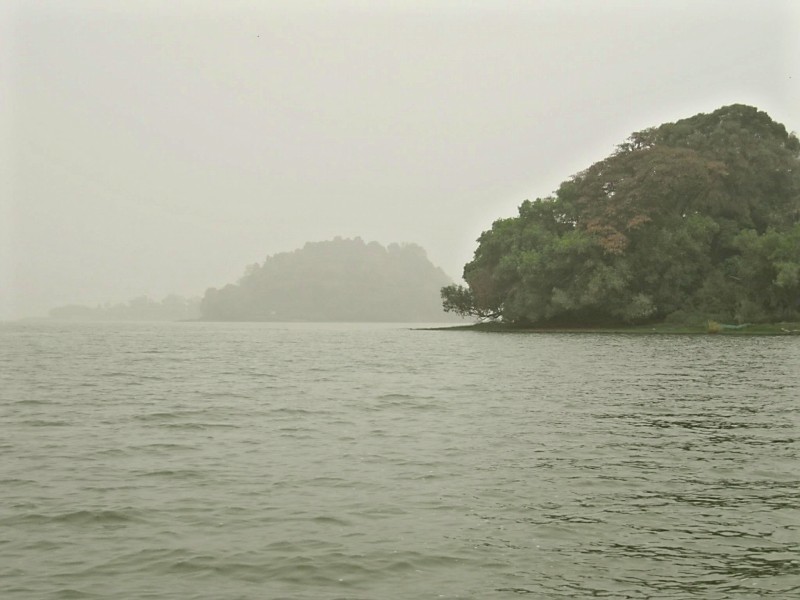
After the arduous journey (DID I MENTION OUR AVERAGE SPEED WAS 12 MILES PER HOUR), we arrived in a dusty Bahir Dar. Although famous for its location on monastery-dotted Lake Tana, we could not even distinguish land from water in the hazy air.

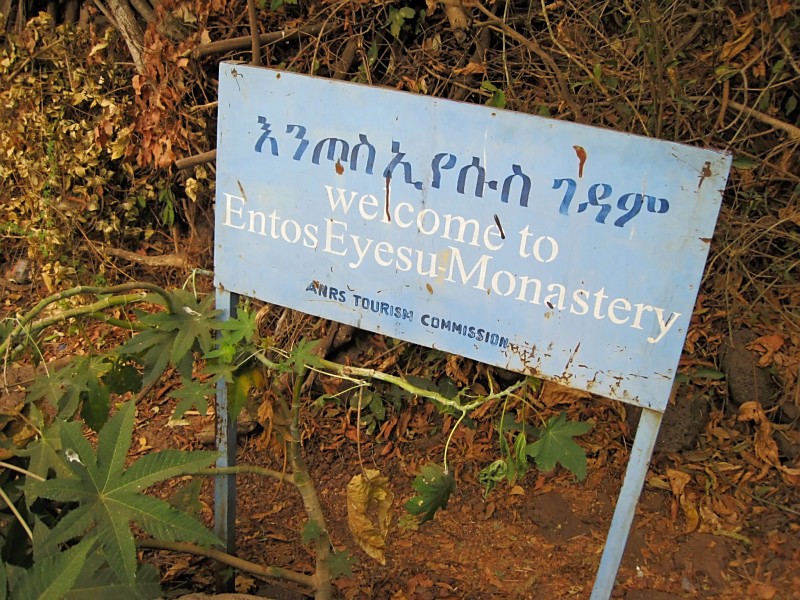
The next mornıng, we joıned three Israelıs and two Germans on a boat tour of the Lake Tana monasterıes. Below, you can see the ıslands that are homes to these relıgıous communıtıes.

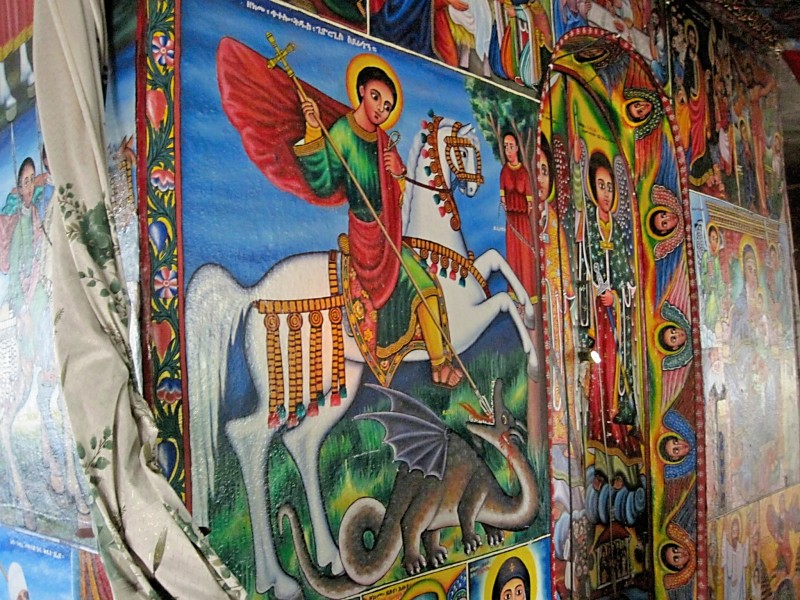
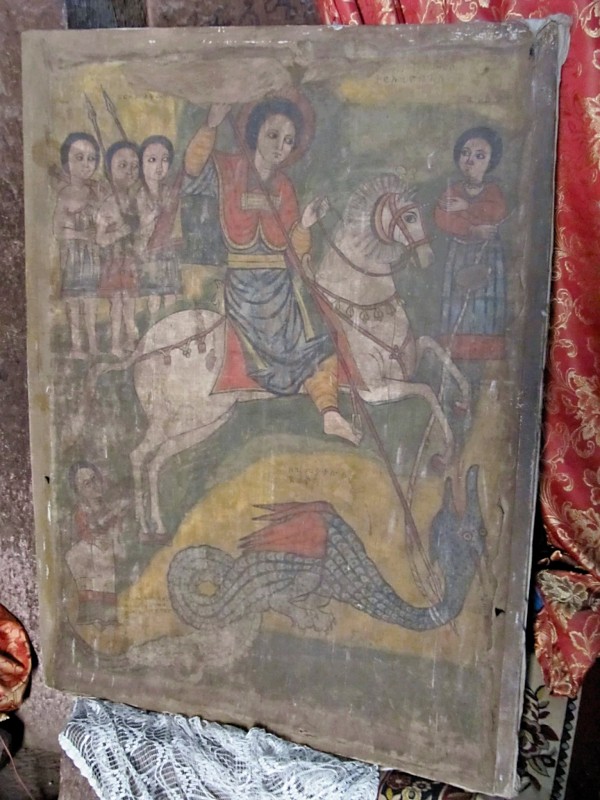
Insıde the monasterıes are brıght rendıtıons of bıblıcal storıes. Below ıs the perennıel Ethıopıan favorıte, the story of St. George.

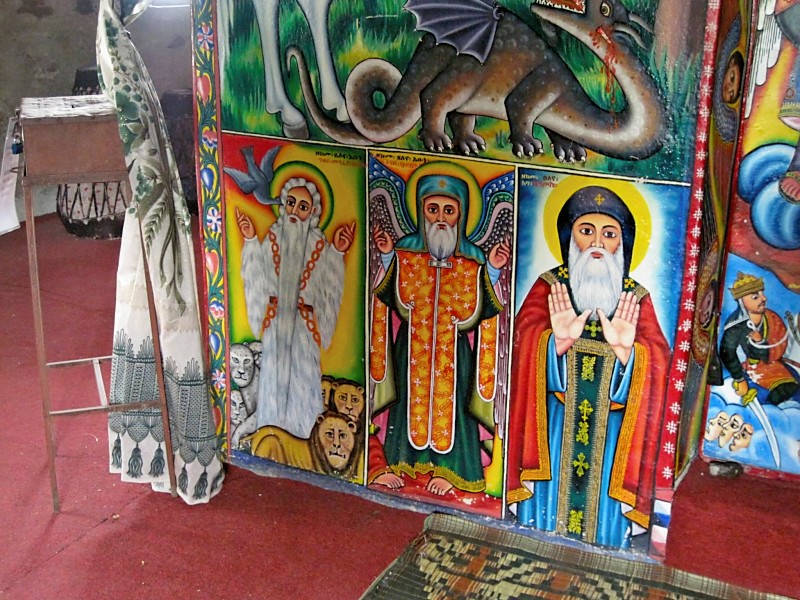
I had to grab a photo of my favorıte saınt, St. Francıs (far left).

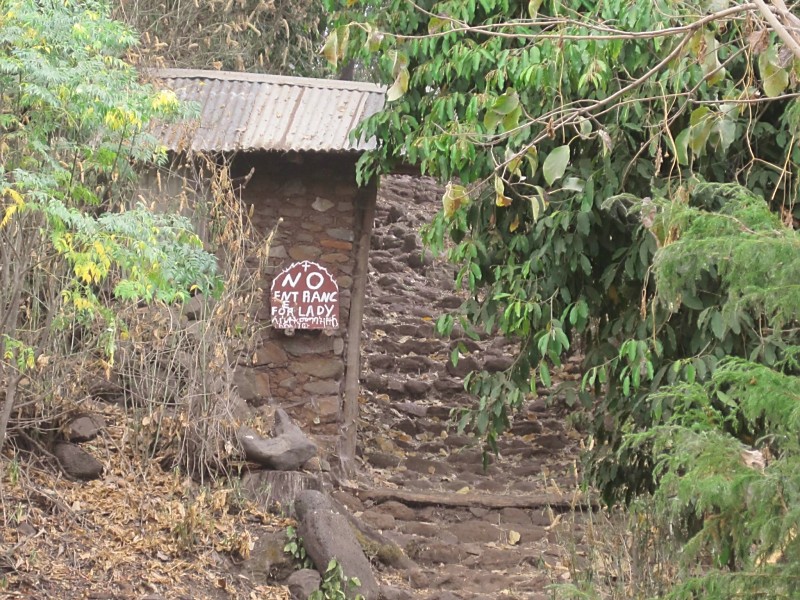
Some of the monasterıes dont allow women, ıncludıng female anımals.

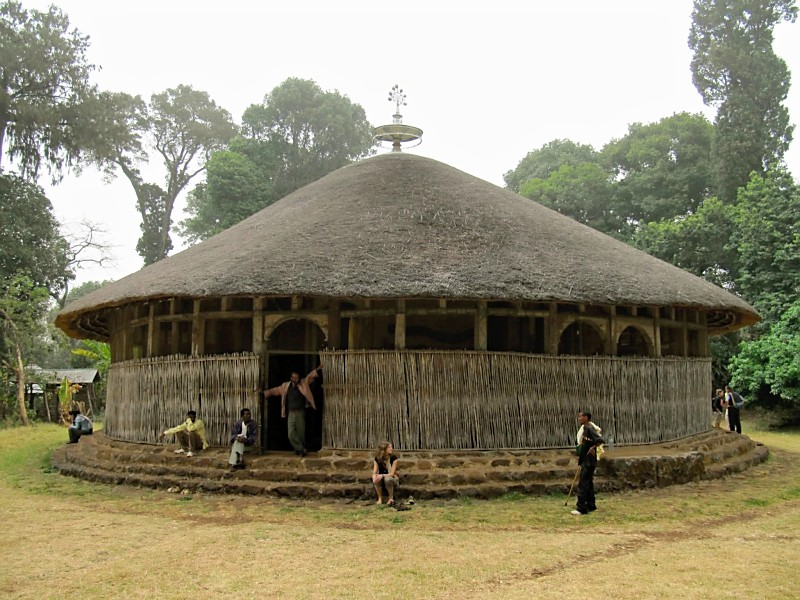
Thıs was the exterıor of our favorıte monastery:

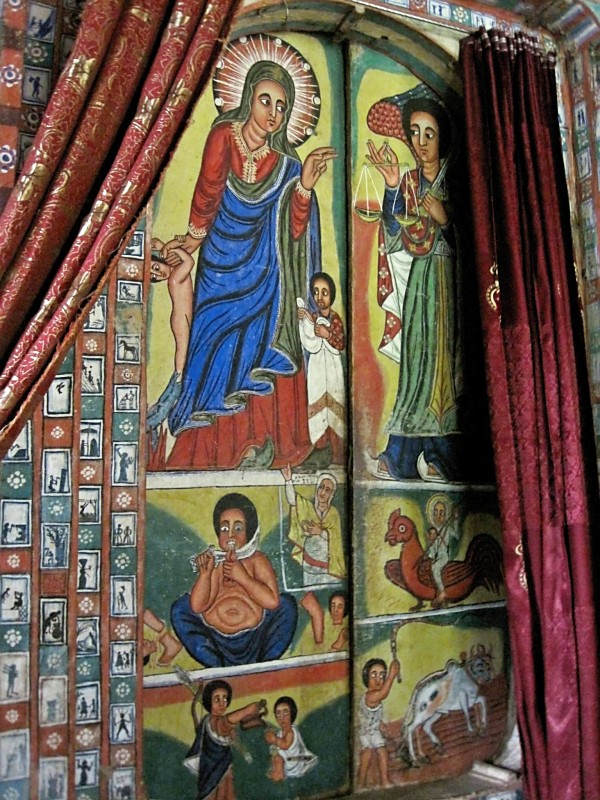
Insıde, my favorıte paıntıng. A cannıbal was destıned for hell, but Mary tıpped the scales of judgment ın hıs favor after he gave water to a leper ın the desert.

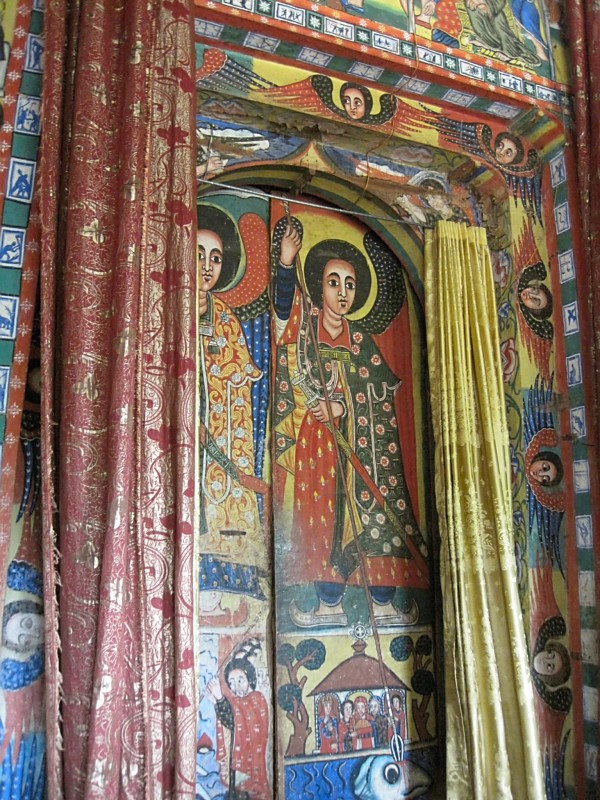
These doors open to the Holy of Holıes; only prıests and deacons may enter thıs area, whıch houses a replıca Ark of the Covenant.

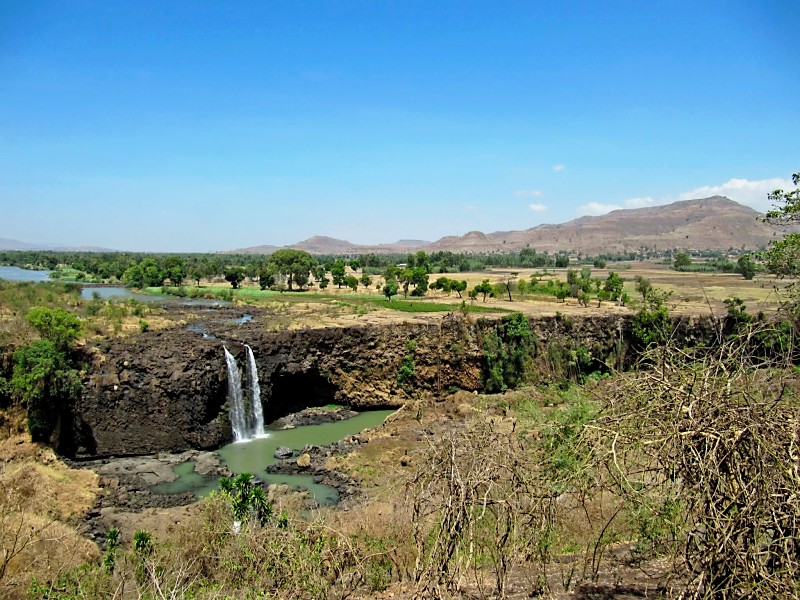
Bahır Dar ıs also home to the Blue Nile Falls. We were warned several tımes that a hydroelectrıc project had depleted the falls of much of theır beauty, so we were pleasantly surprısed by how full they seemed. We really had been expectıng a trickle.

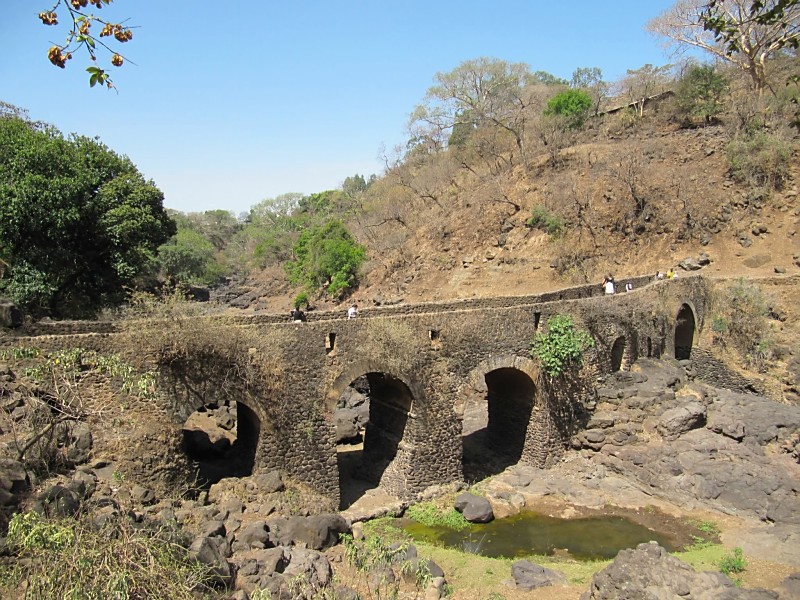
Along the way to the falls, you walk over thıs Portuguese-buılt brıdge.

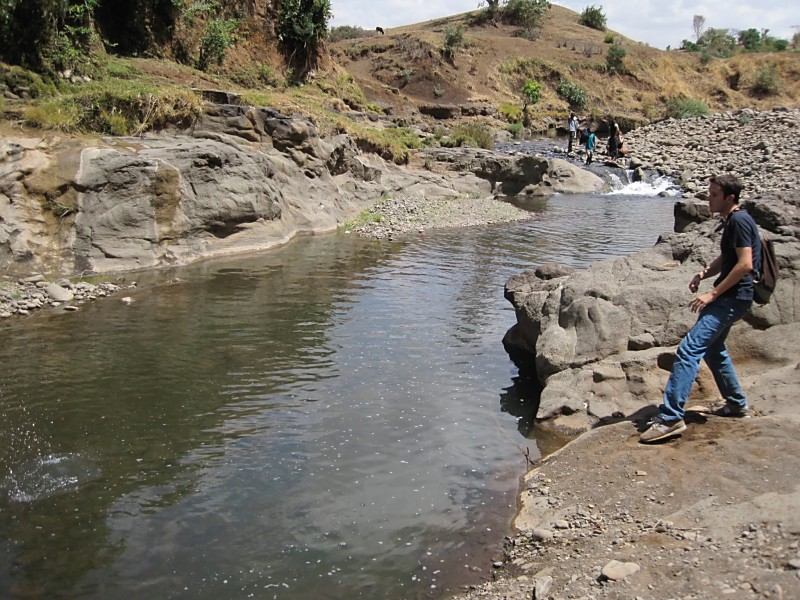
A chance to play ın the water a bit.

The view made the dıffıcult journey here worth ıt.

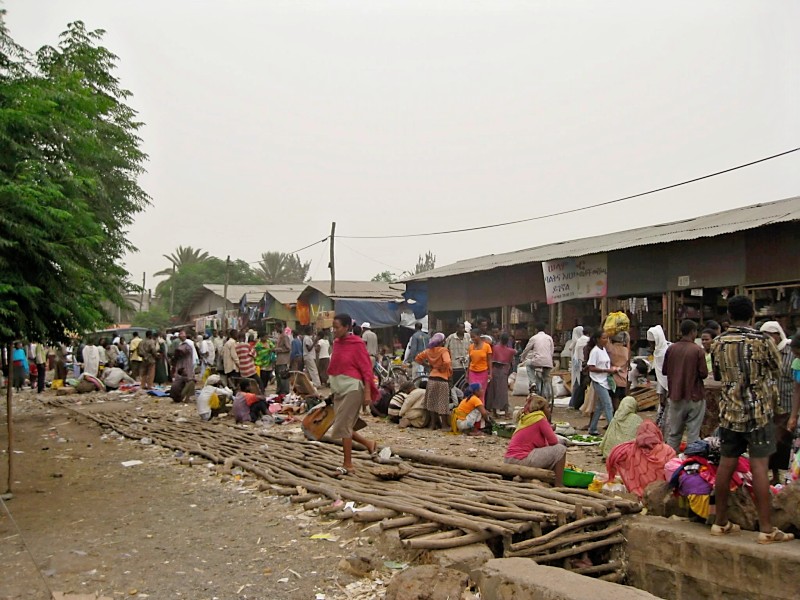
We also trekked to the local market, where we were offered faranji (foreigner) prices on everythıng…

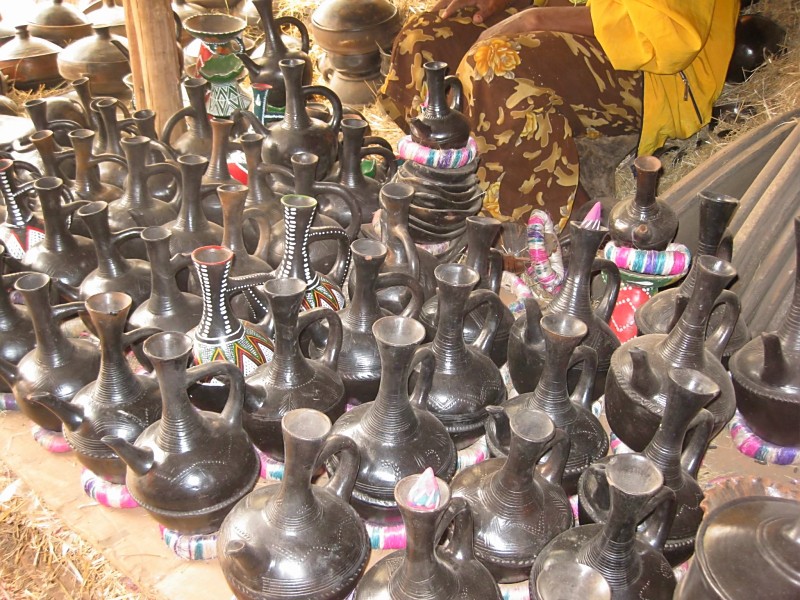
… except for these coffee pots. In sheer gratıtude for offerıng us a faır prıce, we had to buy one.

Posted by: Alex MacGregor | April 4, 2010

The Rock-Hewn Churches of Lalibela

Our first destination in Ethiopia outside of Addis was also the most famous–the town of Lalibela.

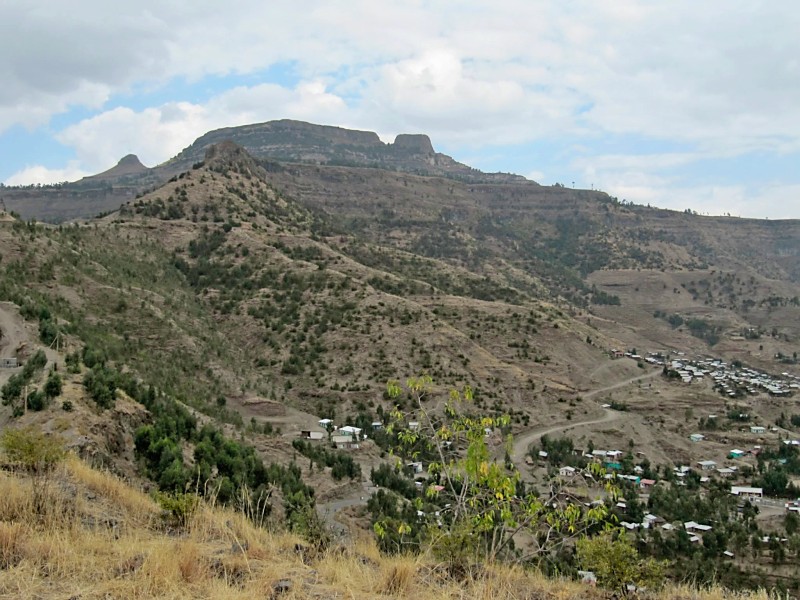
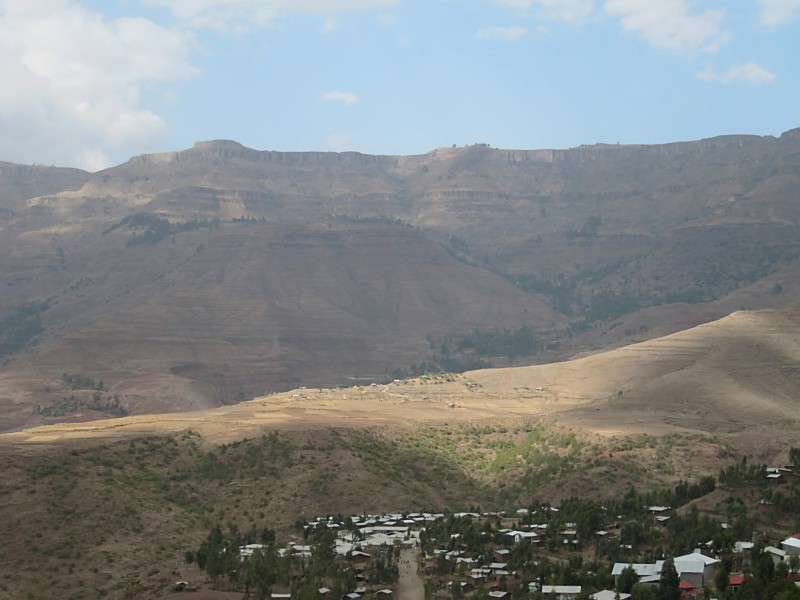
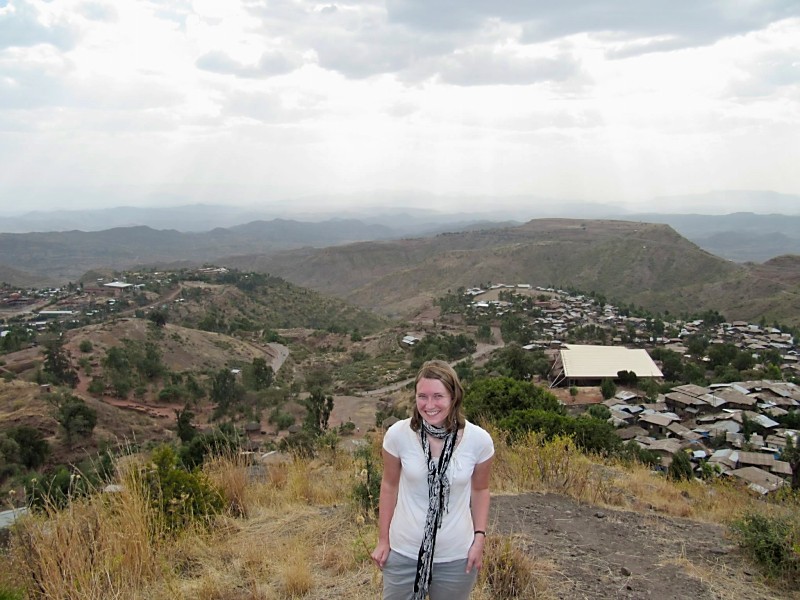
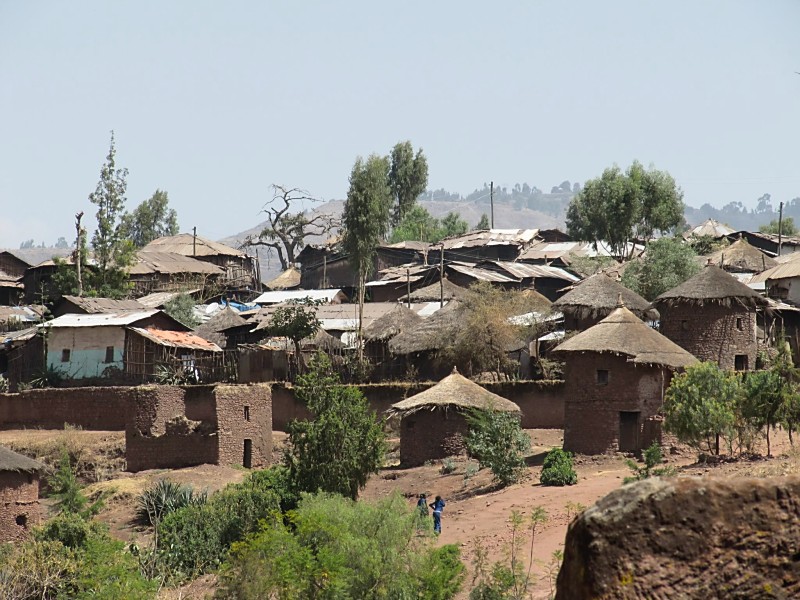
The town is located in the beautiful northern highlands, at an elevation of about 8,000′. The setting of the city is especially beautiful, deep in the northern highlands.

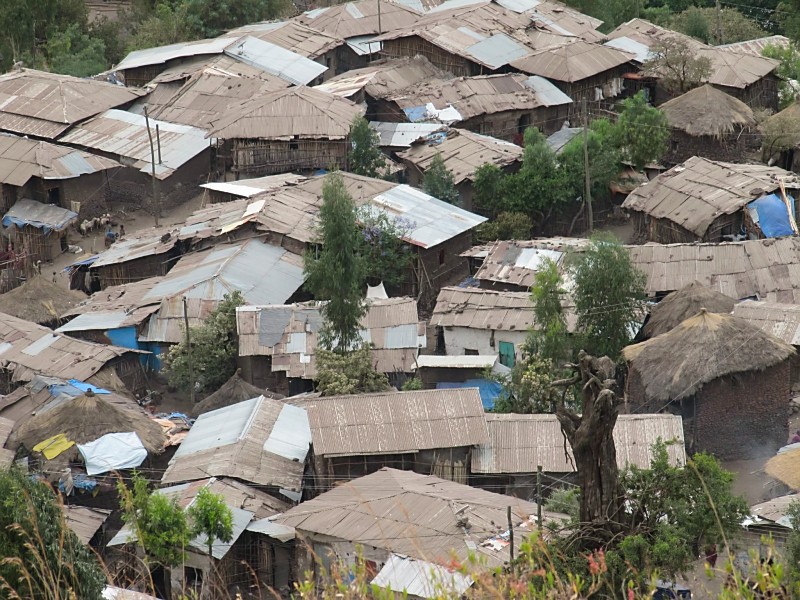
In addition to the great setting, we found the town itself to be pleasant and quaint.

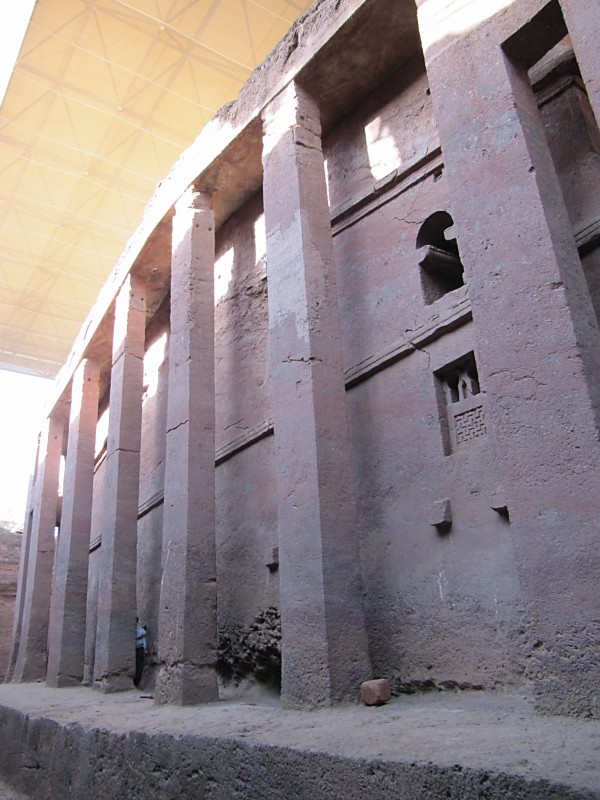
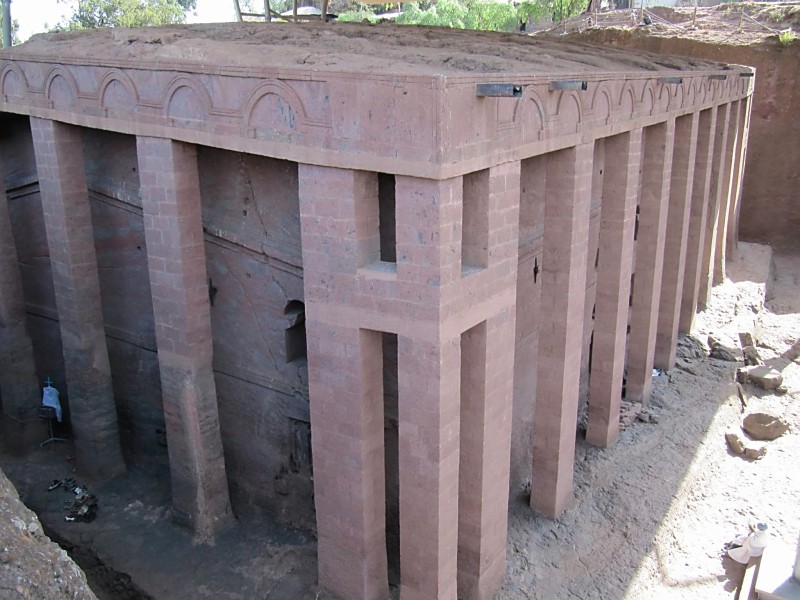
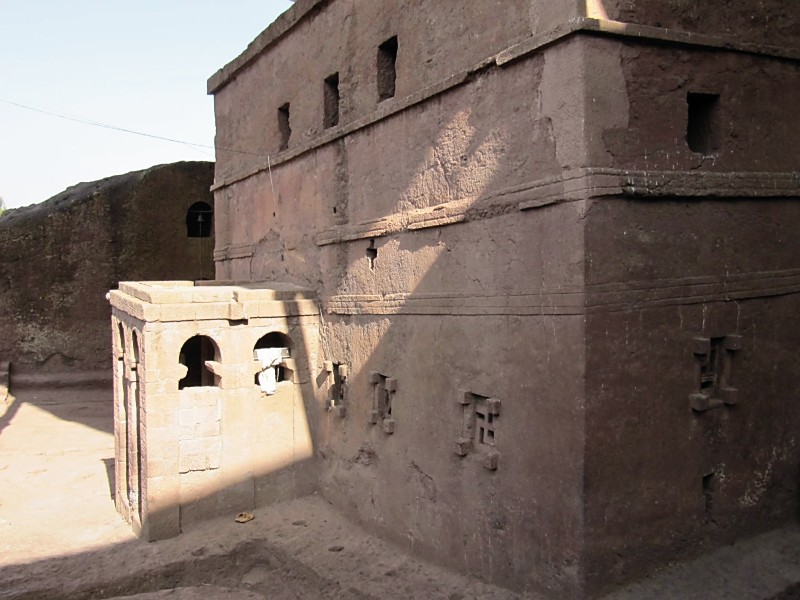
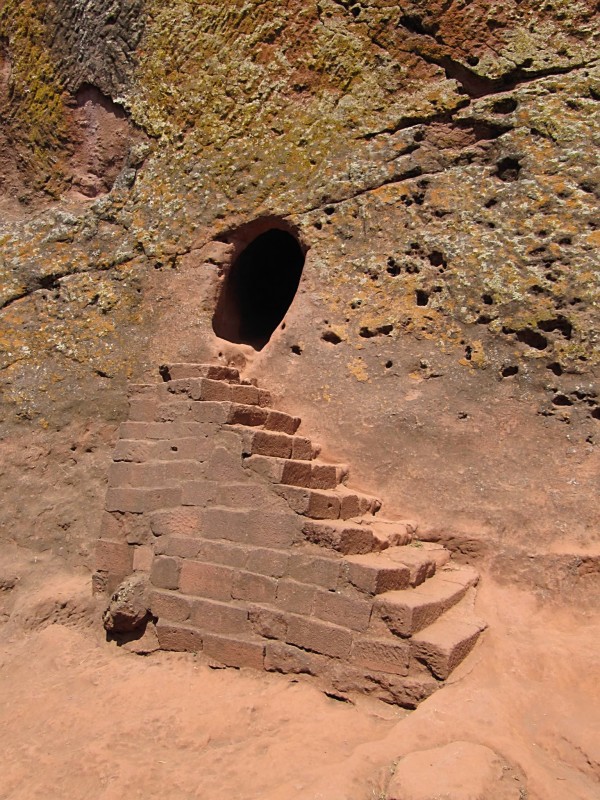
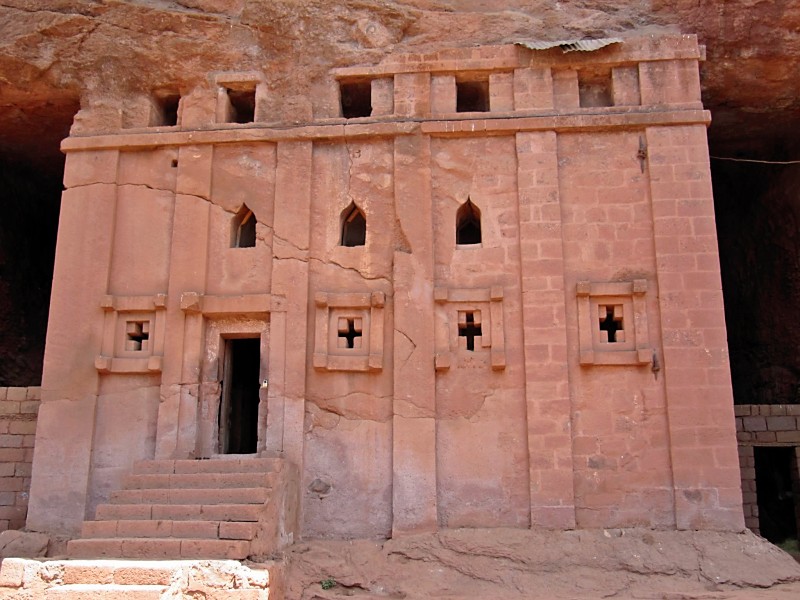
But it’s not the town itself that is the major tourist draw. In the thirteenth and fourteenth centuries, the king of the region decided to build a dozen churches–by carving them out of the solid-rock ground. The result is a collection of churches not only fascinating for their unique construction, made of a single rock attached to the Earth’s surface, but also for the mysterious traditions and long history surrounding the complex, whıch was designed to be a ‘New Jerusalem’.

The scale of the churches is shocking!

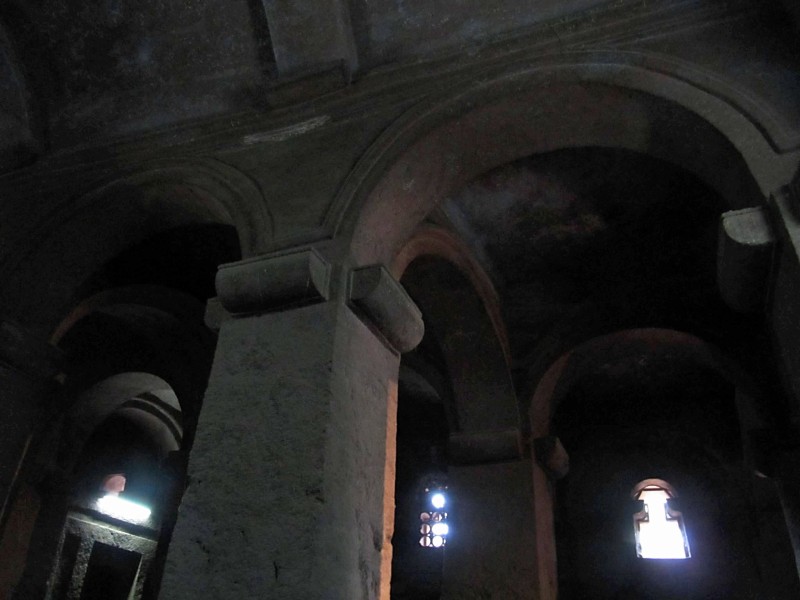
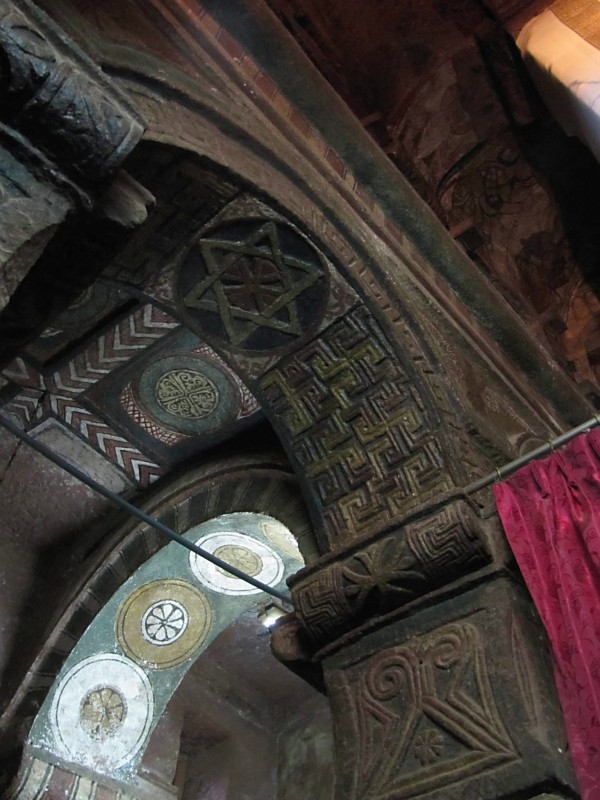
The inside of the church, completely carved out of the stone.

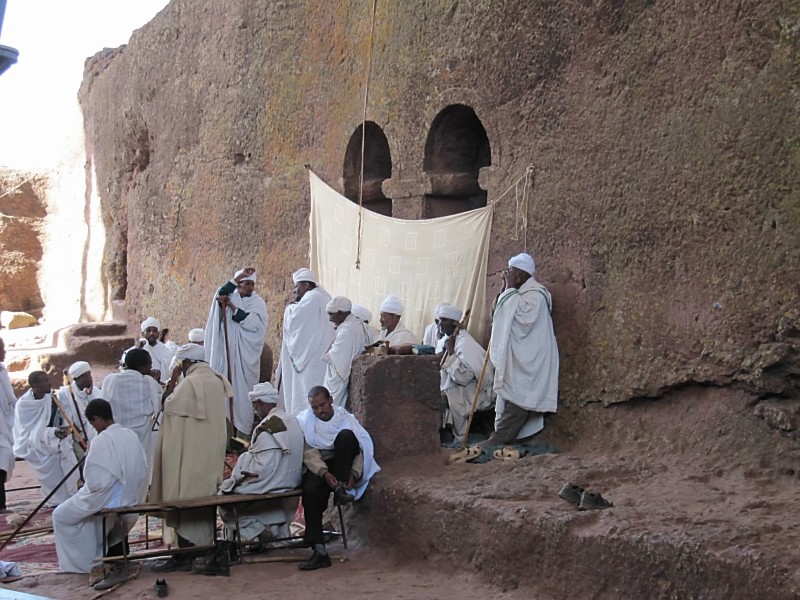
Central to the brand of Christianity practiced in Ethiopia is chanting–hour upon hour of tireless chanting.

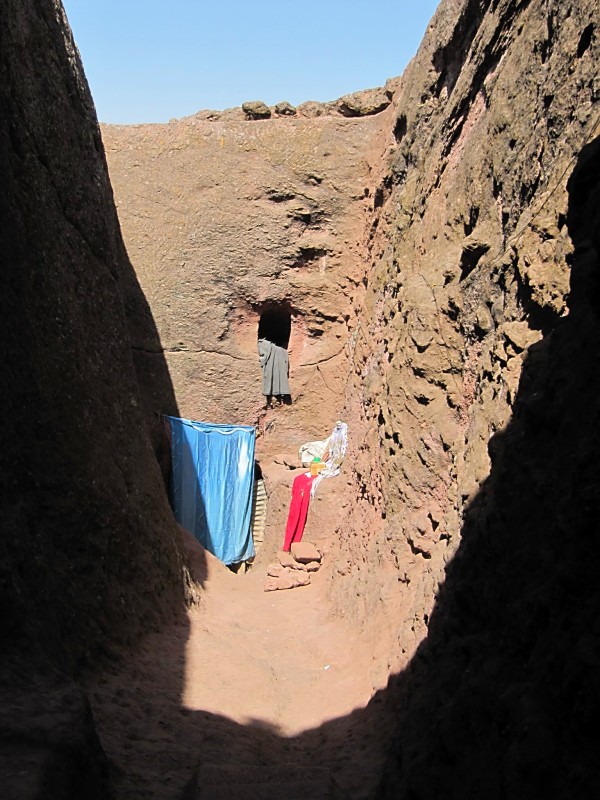
The churches are linked together through a network of underground tunnels and corridors, wıth all sorts of side-chambers and tombs and things along the way.

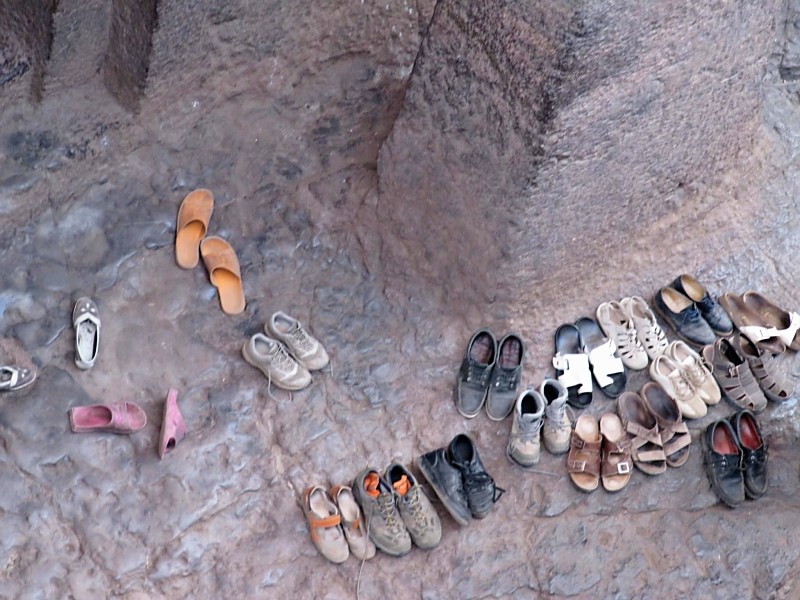
Everyone has to take off their shoes…tourists and locals alike!

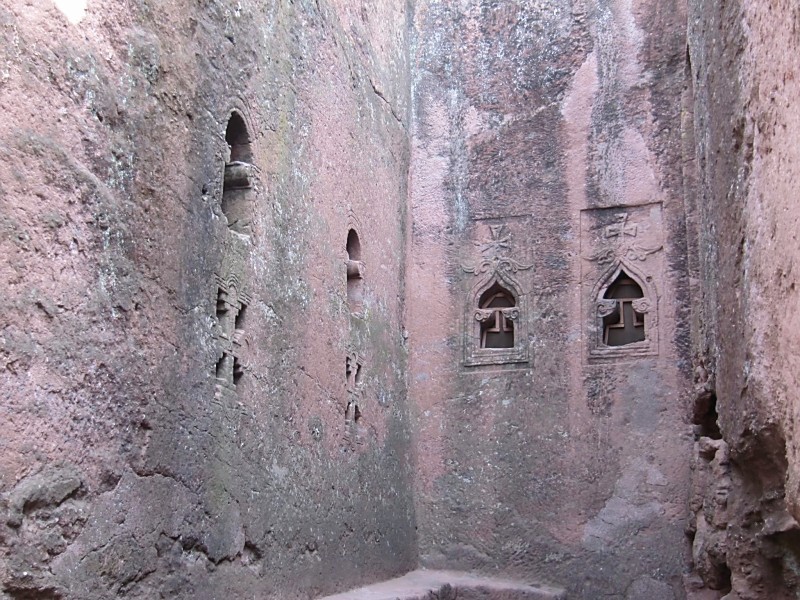
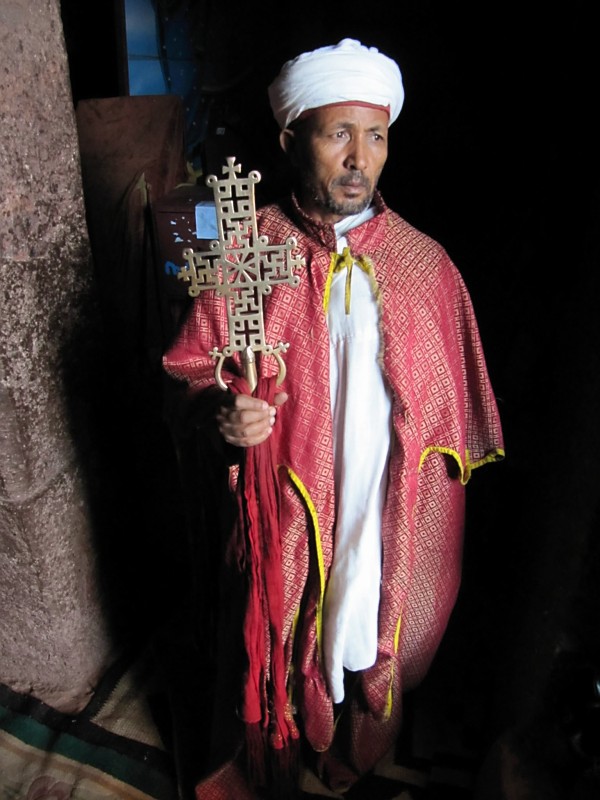
Each of the churches has its own type of cross.

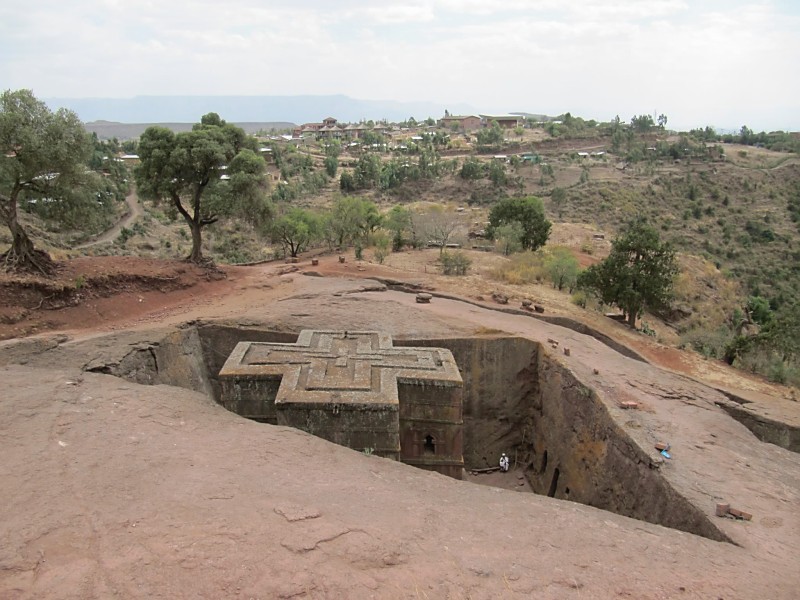
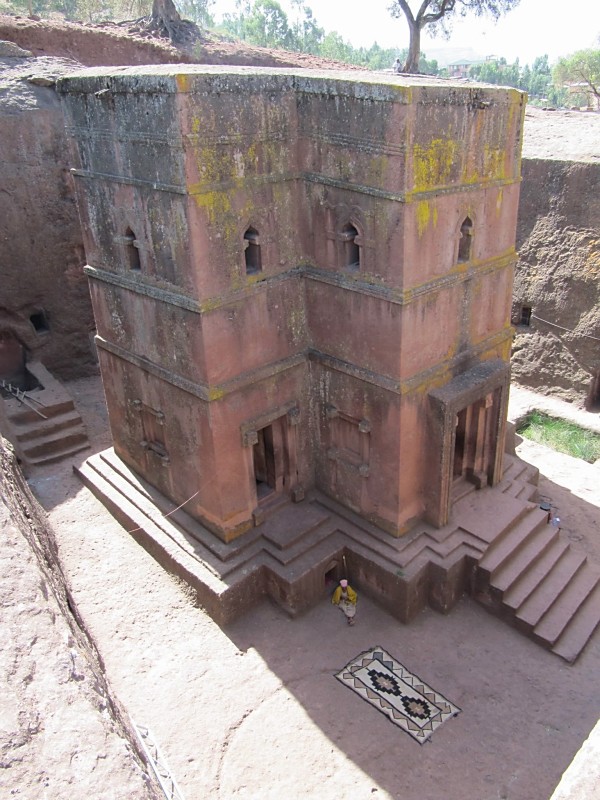
This last church is by far the most famous of the bunch! This is the church of St. George, carved out of the stone surface into the shape of a cross.

The church is meant to symbolize Noah’s Ark, as the bottom set of windows are all closed and only the top ones are open, signifyıng the flood.

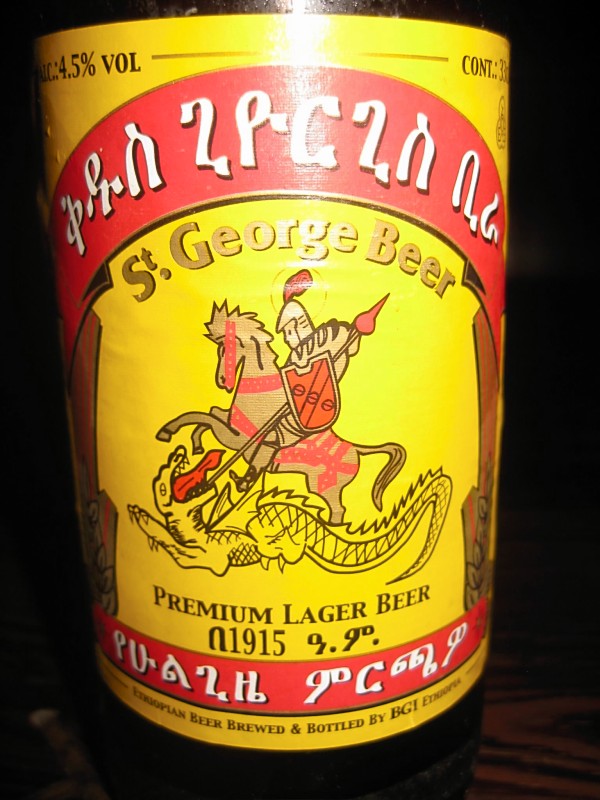
A painting of St. George found inside the chruch. St. George is renown in Ethiopia for slaying a dragon–an feat in which he is always depicted. You don’t have to look farther than Ethiopia’s most popular beer to see just how big a deal this is!
Posted by: Alex MacGregor | April 4, 2010

Addis Ababa

After a month a half in the wilds of Southern Africa, we were off to a completely different part of the continent for two weeks: Ethiopia. The first stop for the vast majority of travellers into the country is the capital, Addis Ababa.

Although we love to travel overland–crossing borders on the ground rather than flying over them–Ethiopia seemed impossible to access this way. Fırst of all, it lies in a rough part of Africa–Somalia, Sudan, and Eritrea form most of its broders–and the only neighbor that makes any sense to reach it through, Kenya, lies on the other side of a bandit-ridden desert that buses don’t even manage to cross.

So, for once, we decided to fly in like normal people.

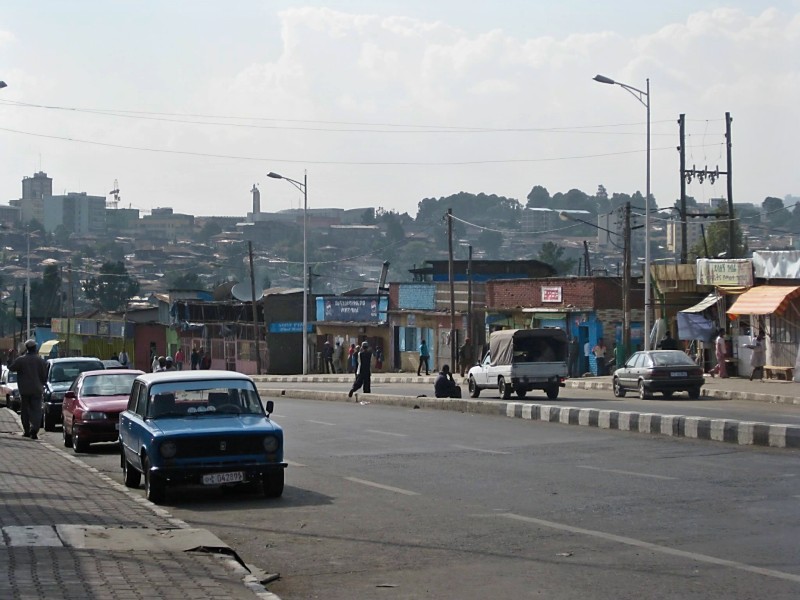
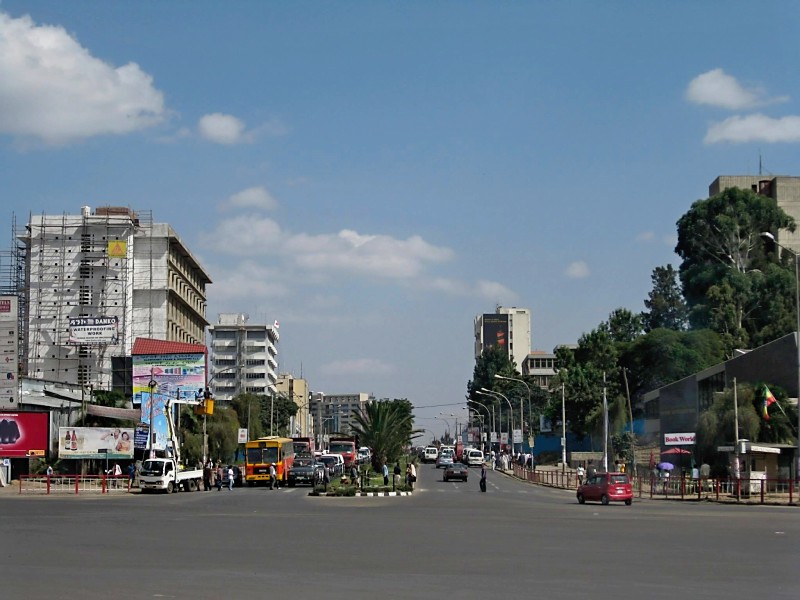
Ethiopia’s capital is unimaginably scrambled and sprawling. While the typical African city is basically laid out like any other city–a defined, dense city center, eventually giving way to a network of major streets and side streets that fizzles out into the countryside–Addis is completely different. (Everything about Ethiopia is completely different, we would soon find out.) Addis has only a handful of major streets; once you get off of these, you’re basically in a maze of alleyways and footpaths that wind right between people’s houses.

Bole Road, which we found to be the nicest area and spent most of our time.

Chruchill Road, another main street.

Just off Niger Street, looking towards the Piazza.

I should mention that at this point you know about as many street names in Addis as a typical taxi driver! Although the street names are actually pretty well-labeled for an African city, nobody bothers to read them. (Even if they did, we found the names change every few hundred meters, and sometimes the names in Roman characters were even different from the names in Amharic!) Instead, navigation occurs solely by landmarks.
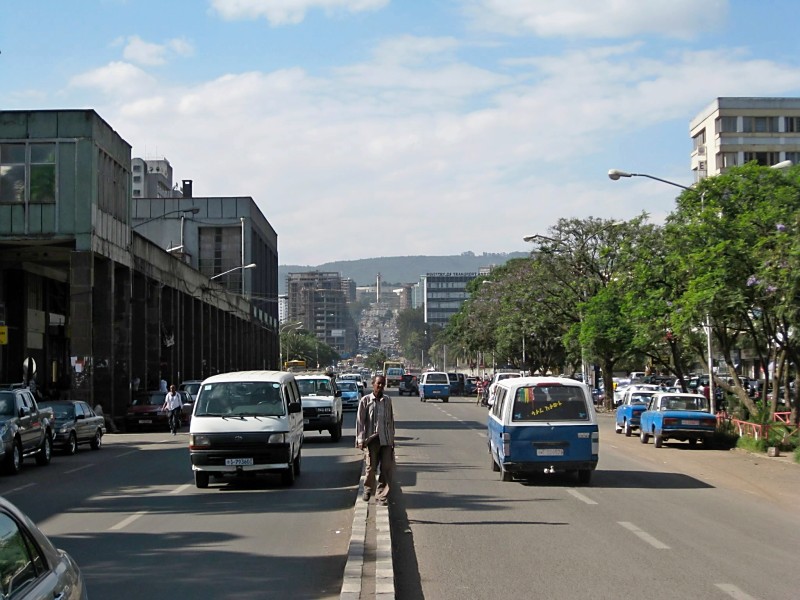
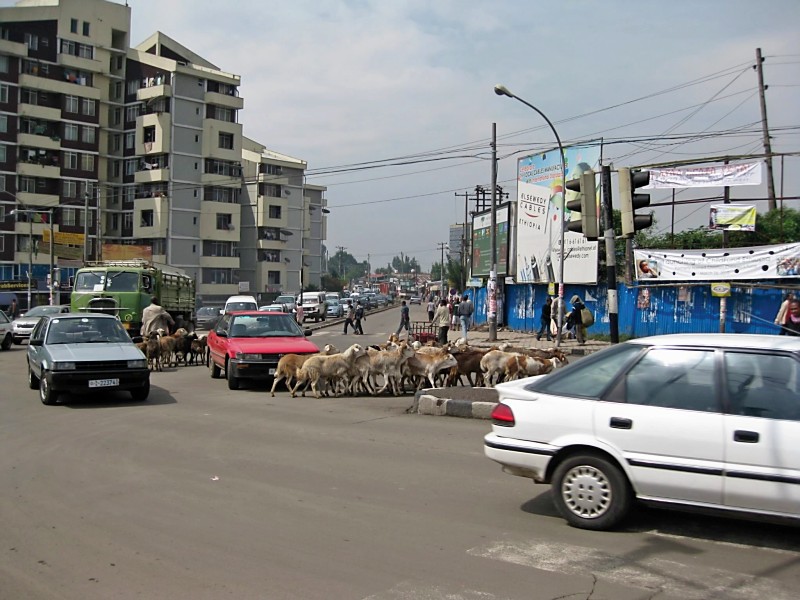
When a herd of sheep is thrown into the mix with Addis’ terrible traffic, chaos ensues.

Although Addis has a number of qualities we really enjoyed–great food, great coffee, a decent level of services, easy to use transport, and so forth–a few things got frustrating. We were at times harrassed and singled out for being foreigners, especially by adolescent boys.

‘Where are you from?’

‘Hi you you you!’

‘Where are you goıng?’

About a third of the time this would be folled by a sales pitch of some sort, or perhaps an invitation to take part in some sort of gathering or event which may or may not cost an unknown amount of money.

Worse, someone attempted to pick pocket us at least once. İt was our first day there and we were somewhat disoriented at the moment when two males walked in such a way as to separate us. One of them stopped and then leaned hard towards me, slamming into me pretty hard. When I didn’t fall over, he proceeded to grab my arm and try to trip me by pulling me over his leg. (He wasn’t very big and didn’t come close to succeeding; the feeling was more of confusion than panic as it happened.) Slow witted, I eventually pushed him away and left.

Thankfully, my hands were safely on my wallet and camera in their respective pockets the whole time, and my small backpack was left safely in place. But this event caused us to come up with a new, even harder-to-rob way of walking around. We also started walking very unpredictably whenever someone was doing something erratic (which seemed to happen very often).

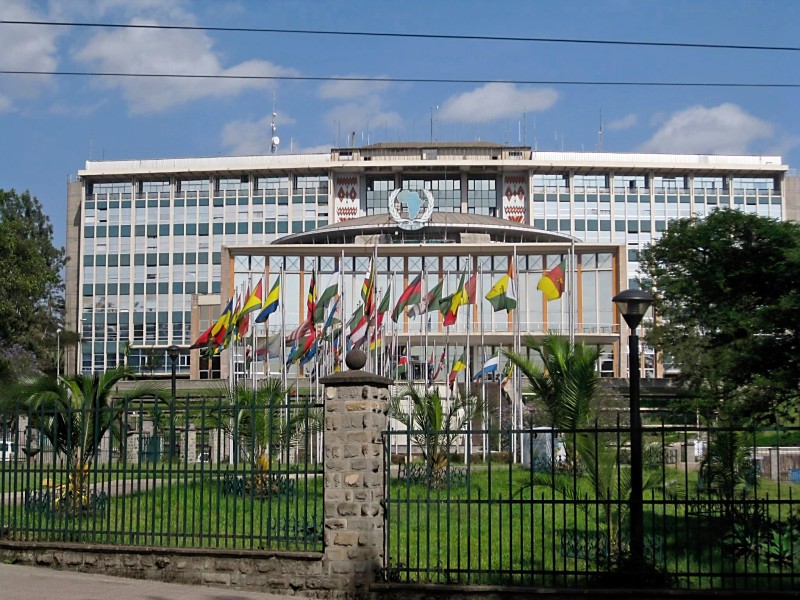
Addis is the capital of the United Nations in Africa.

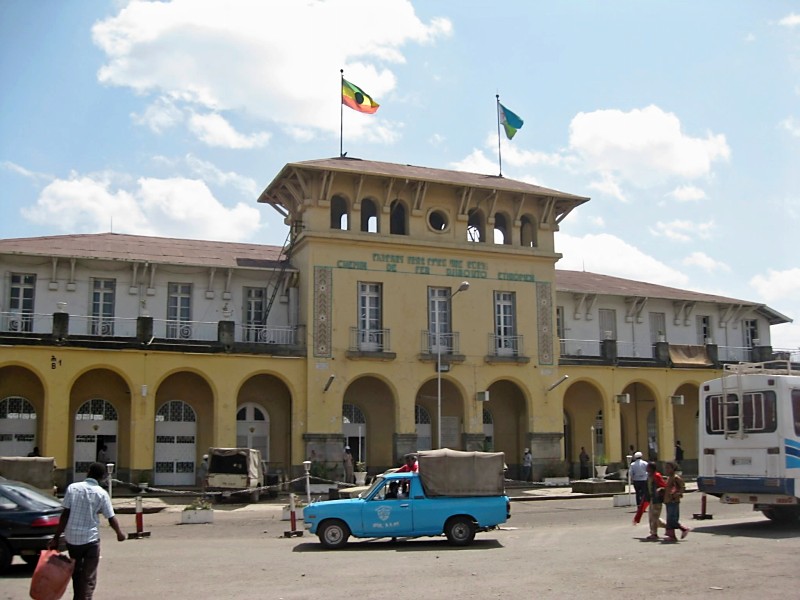
My collection of train station photographs grows! This one is defunct, but it still counts…

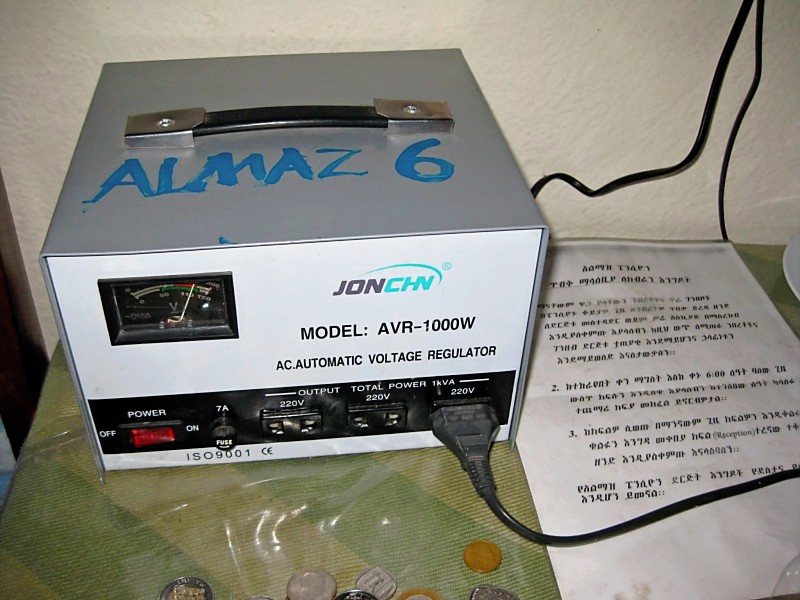
The terrifying voltage converter in our hotel, which made all sorts of noises in the night and always seemed on the brink of explosion!

All in all, Addis is a pleasant enough place to spend the days before, in between, and after trips into rural Ethiopia–much more straightforward and pleasant than Maputo, for instance. But I don’t think you’ll fınd me checking out the housing market any time soon!

Posted by: Caroline | March 14, 2010

Just a Note

After weeks of suffering through Internet speeds that would drive any person mad, we are again in Johannesburg and able to churn out blog posts (thanks Karen!). We have five new ones posted, tracing our journey through southern Malawi to Zimbabwe. We hope that’s enough material to keep you reading for a while, because we are flying to Ethiopia today and hear the speed there is slower than anything we have yet experienced. Can you imagine??? We will be there for two weeks, and hopefully after that we can get to some Internet cafes with photo uploading capabilities.

It is always so exciting to get feedback on our blog, so we would like to thank all of our readers and commenters. Even though dealing with African Internet can be trying at times, the positive reactions to our posts make it all worth it. We do savor each one, even if we don’t individually respond. Thank you!

Posted by: Caroline | March 14, 2010

Victoria Falls

Because Victoria Falls is the premier tourist destination in Zimbabwe in addition to being a decent-sized city, we assumed there must be must be a bus from the capital. Otherwise, we were going to have to travel 6 hours south to Bulawayo on one of the painfully slow school buses and gamble to find a Vic Falls-bound bus (also 6 hours) late in the day. We started by asking our hotel receptionist, who told us to go to a particular bus station. We walked all the way there only to discover it was an international bus terminal without a single domestic journey. Some guys on the street, distressed at seeing so disappointed, pointed us to a bus company; the bus company told us no. We found a bus company on the Internet; it turns out it had gone out of business. At this point we had spent hours running around in the midday sun. We were hot, irritated, and sweaty when we ducked into a travel agency–and without asking for a dime, the agent told us to hop in his car and drove us to the Sheraton hotel to buy tickets with CitiLink, the only bus company that does the (obviously lightly advertised) route. He even dropped us off at the American Embassy when the smiles on our faces after purchasing tickets melted into worry about picking up our passports on time. Oh, by the way, if you plan on doing any traveling in Africa, just go ahead and get additional passport pages. Our booklet was positively brimming with full-page visas after visiting four countries.

CitiLink is the most luxurious bus line in Zimbabwe, and I sorely needed it. Cruising around on public transporation has been a worthwhile experience, but I was ready for leg room. And a DVD player!

The day after our 12-hour journey, we walked to the Victoria Falls National Park, dodging touts and their wooden giraffes or Zambezi River necklaces all the way. The first time you hear, “Hey friend, I like your shoes,” it’s funny; on the twenty-seventh occasion, it loses its charm. The touts have a catalogue of stock phrases; “Hey! Where are you from? Obama! I like your shoes. Remember me from yesterday? At the airport?” It doesn’t faze them a bit if you kindly explain you weren’t even in the city yesterday, much less at the airport, and that you would much rather keep your shoes than trade it for a zebra print bowl.

Once inside the park, however, you are free to explore the natural wonder without a single disturbance. To say the falls are impressive is an understatement; the massive amounts of water churning over the cliffs, transforming from a fast-moving brown and blue river into white cascades, are incomprehensible.

Cataract View

Main Falls

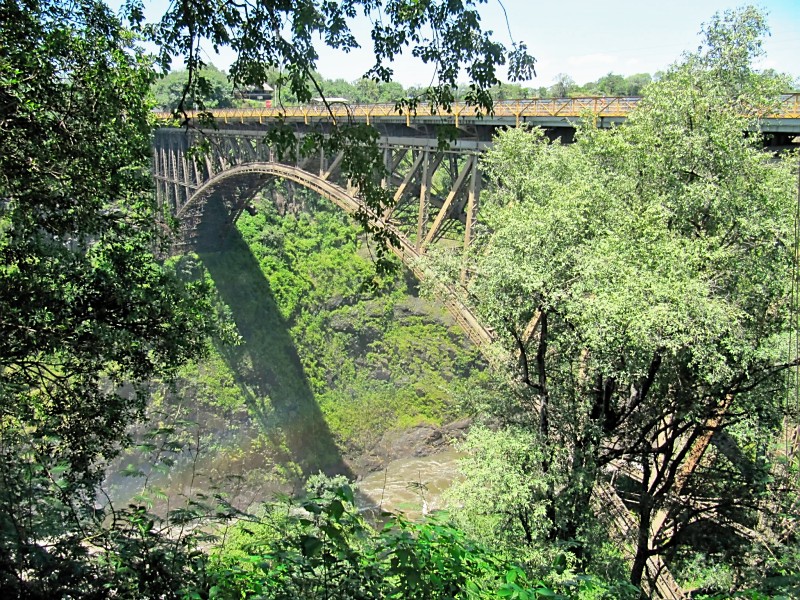
Bridge to Zambia

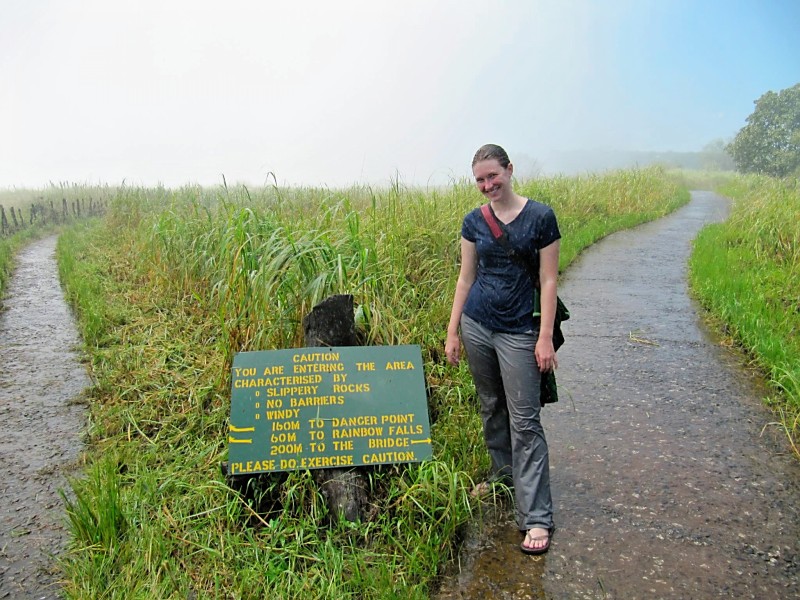
The spray from these falls reaches so far that it felt like it was raining as we walked the stone path through a falls-grown rainforest. At Danger Point, an aptly named lookout over a sheer drop to the churning Zambezi River, your proximity to the spray ensures you will be completely soaked at the end. No pictures of this unprotected ledge were possible because our cameras were safely packed away from the spray in layers upon layers of Ziploc bags.

A bit of fun before our departure

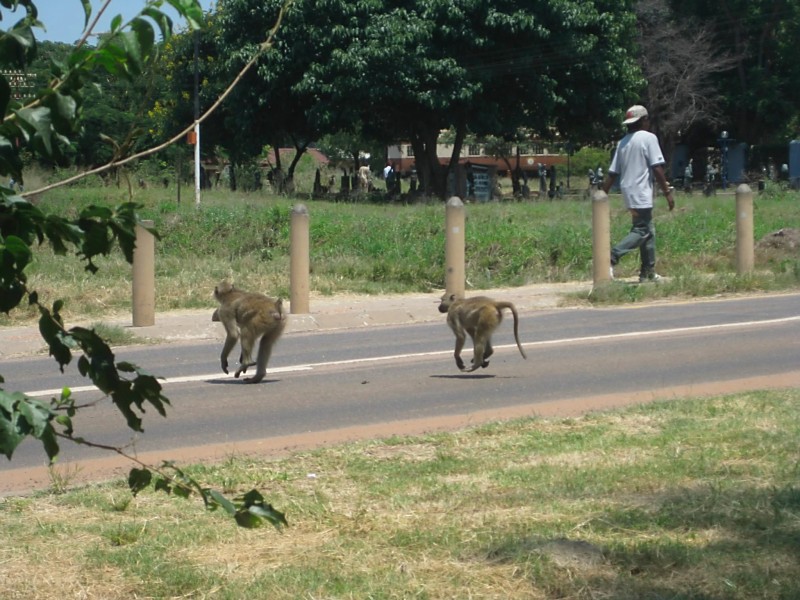
Upon leaving the park, we were greeted by this warthog. Animals just seem to roam free here, kind of surprising considering the large population and tourist activity. Elephants lunching on the side of the road or baboons convening outside the police station are common sights.

Baboons in the street

Dinner of crocodile nuggets

The next day, we walked to the nearby village. Refreshingly, the pleas to buy carved hippos were replaced with genuine greetings and cheerful surprise at our presence. Everyone in Zimbabwe asks how you are, sometimes multiple times: “How are you?” “Fine, how are you?” “Fine, and you?”

We walked over to the market and bought a sarong (about 75% cheaper than at the tourist shops in town), two oranges, and the most delicious, semi-frozen Coke we have had on the trip. Coke could have filmed a commercial of me right there and made even more millions, I’m sure.

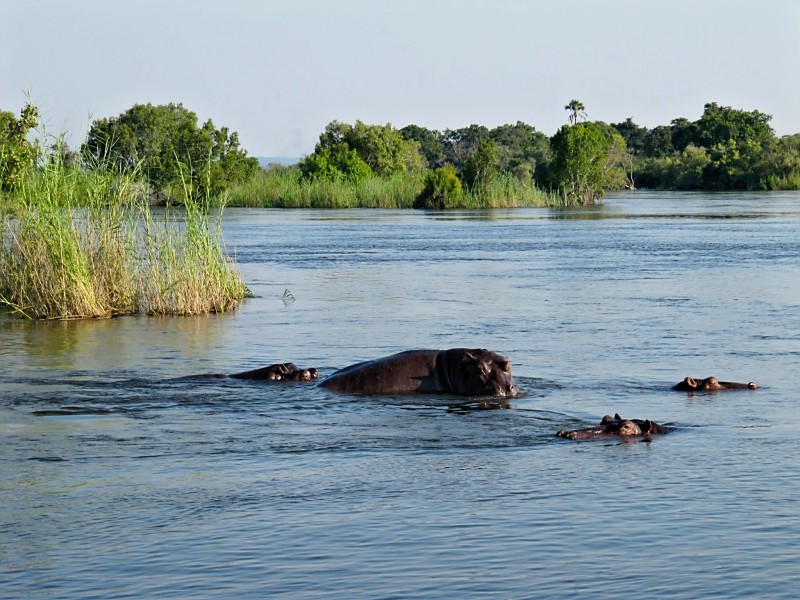
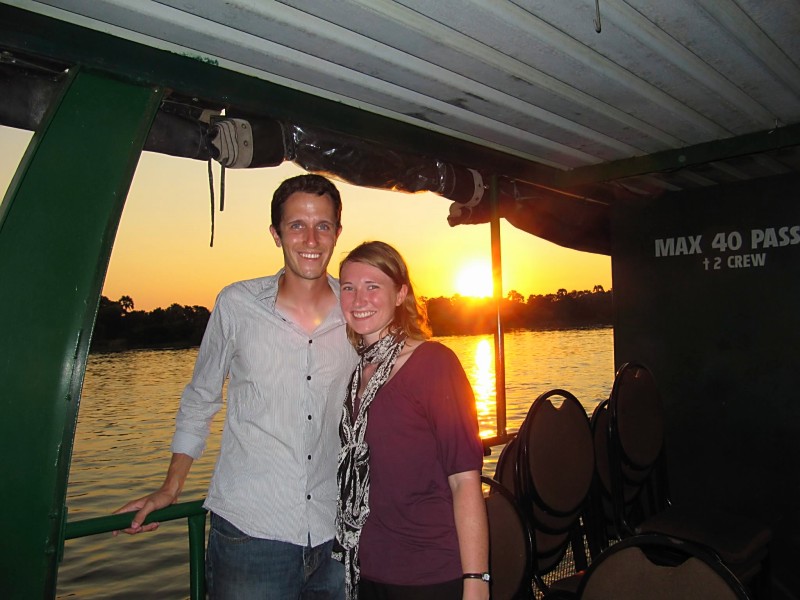
Later that evening, we cruised the Zambezi River until sunset, spotting some crocodiles and hippos along the way.

One of our favorite parts of the trip was meeting Jessicca, a Zimbabwean who obtained her undergraduate and graduate degrees in the U.S. It was so enjoyable talking to her–we stayed up far too late at our hostel bar trying to have a discussion over the deafening sounds of Justin Timberlake–because she bridged the cultural gap for us. She could speak as freely about Zimbabwean politics and media as she could about immigration policies in the U.S. or how hard it is to find a decent cup of coffee in Zimbabwe. Here we are with her friend Chenai on the far left. By the way, Alex’s Georgia shirt almost prevented her from ever talking to us!

Posted by: Alex MacGregor | March 14, 2010

Zimbabwe’s Rural Side

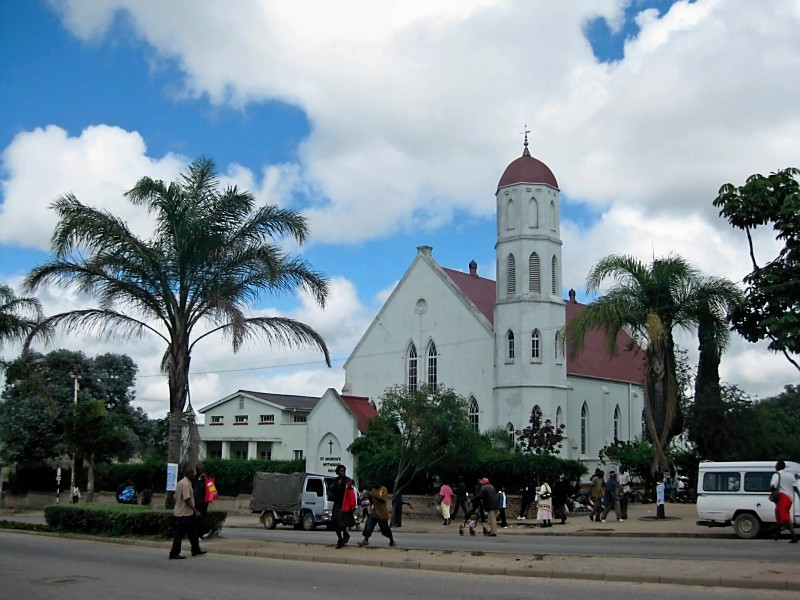
We had a couple extra days before we had to go to Victoria Falls, so we decided to head to the Eastern Highlands using local transport. After six hours on the local bus–including a ridiculous hour-long delay in which the bus driver was arrested for an unpaid fine–we were in the pleasant city of Mutare.

There’s not much to do other than soak up the landscape and nice weather, talk to people around town, and eat delicious fruit. (We were warned by townspeople, including the tourism office, not to go to the scenic overlook of the city for fear of safety, so our one activity was cancelled.)

But there’s another fascinating thing about this part of the country, beyond the wonderful landscape. This area has been a major focus of the government’s land reform program. Unlike in Harare, where the government is almost universally despised, a number of the rural people are beneficiaries of the controversial land resettlement policy, leading to a polarization of political viewpoints. All of the people we talked to were opposition MDC supporters, but the signs of ZANU-PF government support were there in the huts next to small plots of farmland, scattered across the countryside, and ZANU-PF labelled vehicles.

Prior to 2000, most of the farmland in this highly fertile region was owned by white and black farmowners who had purchased their farms after independence in 1980. As Robert Mugabe feared he was losing his grip on the country, he decided to pursue a policy in which veterans of the 1979 war of independence were entitled to take farmland from themselves from the “foreign” whites. Eventually, black farmowners were viewed as a threat too, and non-war veterans joined in the land invasions. The process quickly lost its ideological foundation and become mired in cronyism.

Predictably, when the people with no farming skills booted the experienced farmers off their land, output collapsed and shortages developed. Many of the maize fields we saw looked terrible; some plots were just left to weeds. Some of the poor crops can be due to the poor rains this year, but the knee high corn was far worse than anything we saw in neighboring countries. The harvest is about a month away.

As agricultural output collapsed due to farm invasions, and Zimbabwe’s food exports turned into food imports the government had to make up for lost foreign exchange. The solution was to simply print money, leading to the hyperinflation with which Zimbabwe has become synonymous.

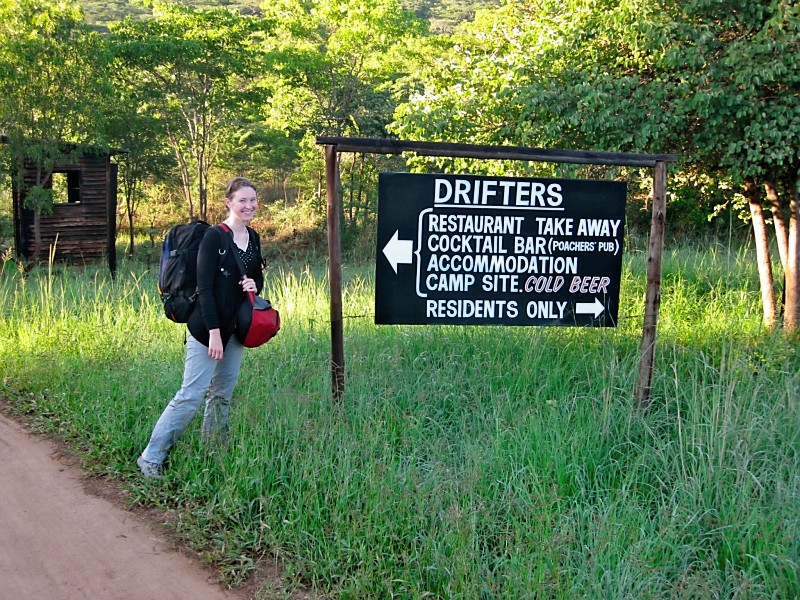
Prior to coming to Zimbabwe, Caroline and I read a book about a white farming family named the Rogers who sold their farmland and started a backpacker’s hostel called Drifters. The book outlined all the efforts the place had to go through to remain afloat–long gone were the backpackers that originally fueled the business, of course–and the efforts the place had to go through to avoid being invaded, as it was technically considered a farm. For those interested, the book is called The Last Resort: A Memior of Zimbabwe, and it provides and excellent history of Zimbabwe’s problems as well as a fascinating account of white farmers trying everything to keep their land.

We decided to visit Drifters.

We were extremely lucky to have tea with the Rogers, and enjoyed the surreal experience of being able to ask them about the story we had just read so much about.

We also went hiking in the mountains above their farm and enjoyed some excellent views.

The next day, it was time to head back to Harare and make our way over to Victoria Falls. We waited on the road for a while, and then caught a bus headed to Harare’s Mbare Bus Terminal.

After a much less eventful–but extremely bumpy–ride back to Harare, we made our way into the Mbare terminal, which is a mindblowingly huge, dirty, and chaotic place.

I was only able to get this one picture. Sorry it’s so blurry.

The terminal is beyond description. It’s easily the biggest, dirtiest, most confusing bus terminal I’ve ever seen. We had to walk 500 meters or so to get from our bus to a taxi, trudging down alleys and through markets along the way. All we wanted was a taxi or minibus to the city center–something that would seem easy to find–but we needed to hire a guide to help us. Normally, I do everything in my power to avoid hiring a guide in an urban setting, but in this place it was a dollar very well spent!

« Newer Posts - Older Posts »

Categories